
7 Ways to Get Enough Protein on a Vegan Diet
Last Updated: November 17, 2026
Quick Summary
The 7 ways to get enough protein on a vegan diet start with stocking high-protein vegan foods like legumes, soy, nuts, and seeds as your base. From there, add small protein sources throughout the day, build 40-gram meals from familiar foods, and combine plant proteins for complete amino acid profiles. Planning balanced grain bowls and keeping a repeatable routine makes hitting your protein target realistic.
- A half-cup of cooked lentils or black beans delivers roughly 8 to 9 grams of protein.
- A half-cup of firm tofu lands near 10 grams of protein.
- Add one new protein source at a time and give your gut a week to adjust.
- A grain bowl with quinoa, lentils, edamame, and tahini lands near 40 grams of protein.
- Soy and chocho supply all nine essential amino acids on their own.
Table of Contents
- Start With High-Protein Vegan Foods as Your Base
- Use Easy Ways to Add Protein to Vegan Meals Throughout the Day
- Learn How to Get 40 Grams of Protein Without Meat at Any Meal
- Understand Plant Protein Powder Benefits for Sensitive Stomachs
- Combine Plant Proteins for Complete Amino Acid Profiles
- Plan Balanced Meals and Grain Bowls That Hit Your Protein Target
- Build Your Vegan Protein Routine With Seed Foods
- Frequently Asked Questions
Start With High-Protein Vegan Foods as Your Base
Getting enough protein on a vegan diet starts with what you keep in the kitchen. Stock high-protein vegan foods and the rest of the day almost solves itself; skip that step and you will chase protein from morning to night. The easiest 7 ways to get enough protein on a vegan diet all begin with a stocked shelf.
The base layer is legumes, soy, nuts, and seeds. A half-cup of cooked lentils or black beans delivers roughly 8 to 9 grams of protein, while a half-cup of firm tofu lands near 10 grams. Chickpeas, split peas, and edamame belong in the same rotation. Nuts and seeds fill the gaps: a couple of tablespoons of peanut butter adds about 7 grams, and a handful of pumpkin seeds adds close to 9.
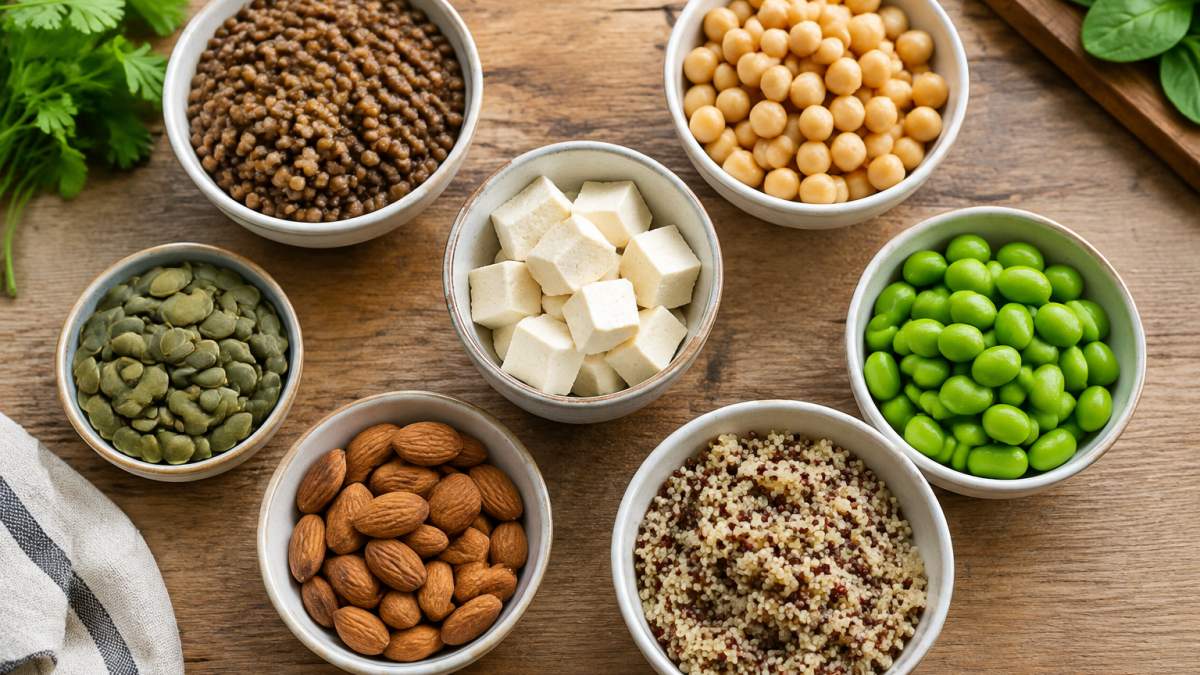
A review published in the journal Nutrients concluded that protein-rich foods such as traditional legumes, nuts, and seeds are sufficient to achieve full protein adequacy in adults eating vegetarian or vegan diets (Dietary Protein and Amino Acids in Vegetarian Diets, A Review(https://pmc.ncbi.nlm.nih.gov/articles/PMC6893534/)). That is the foundation. Build it once, restock weekly, and you stop improvising.
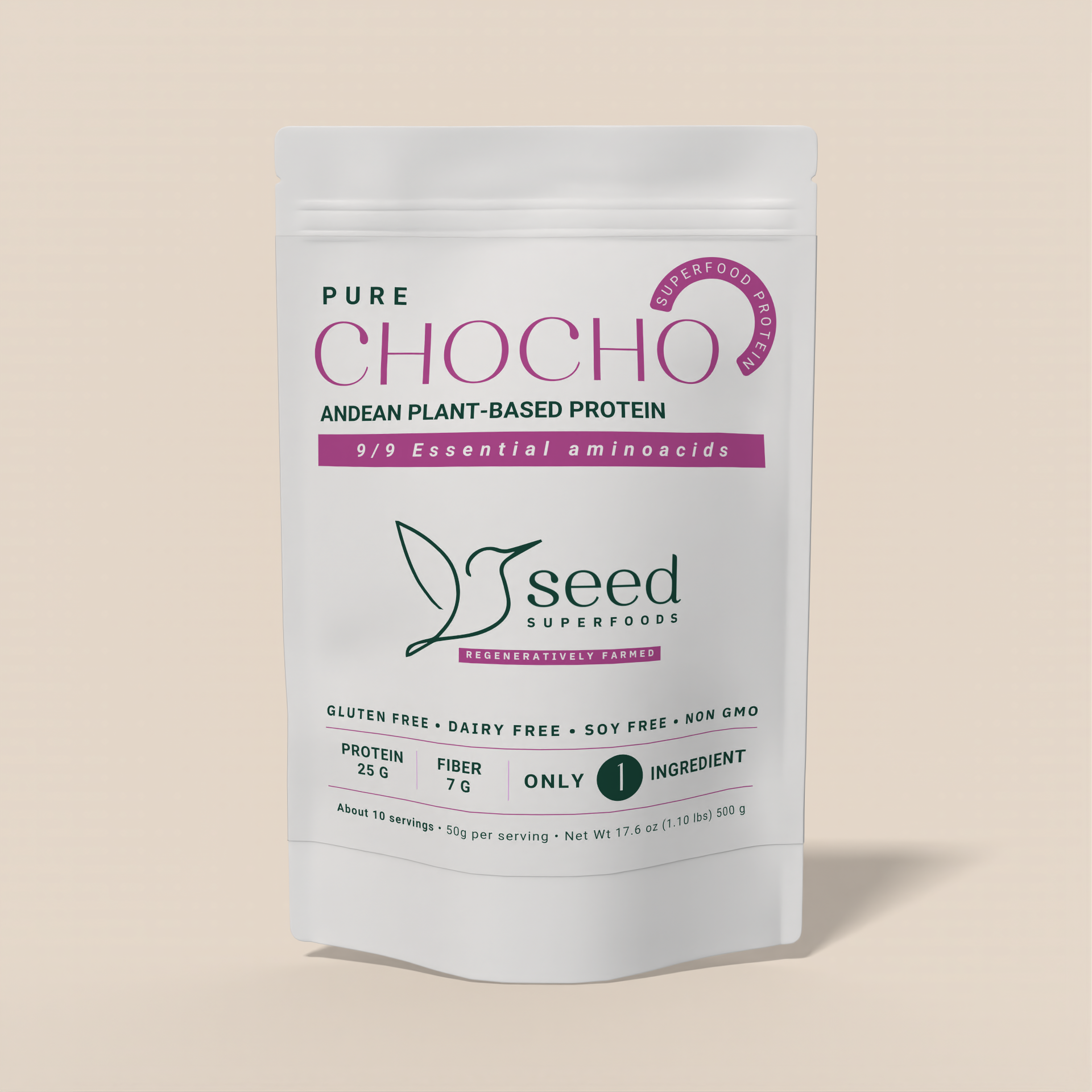
If you want a single product that anchors the shelf, our Pure Tarwi Protein is one ingredient with 25 grams of protein per serving.
Legumes, Soy, Nuts, and Seeds: The Protein Powerhouses
Each group earns its place for a different reason. Legumes are cheap and fiber-rich. Soy foods such as tofu, tempeh, and edamame bring the highest protein density of the plant world. Nuts and seeds add fat, minerals, and easy calories. Whole grains and protein-rich vegetables like asparagus round out the plate without much effort.
The mistake we see most often is buying one hero food and ignoring the rest. Variety is what makes a vegan diet work, and it is also what keeps meals interesting enough to repeat.
Use Easy Ways to Add Protein to Vegan Meals Throughout the Day
The easiest ways to add protein to vegan meals are small, repeatable moves rather than one big overhaul. Stir a spoonful of hemp seeds into oatmeal. Toss chickpeas into a salad you already make. Blend silken tofu into a sauce. Spread peanut butter on toast. Each addition is tiny, and together they close the gap without a single complicated recipe.
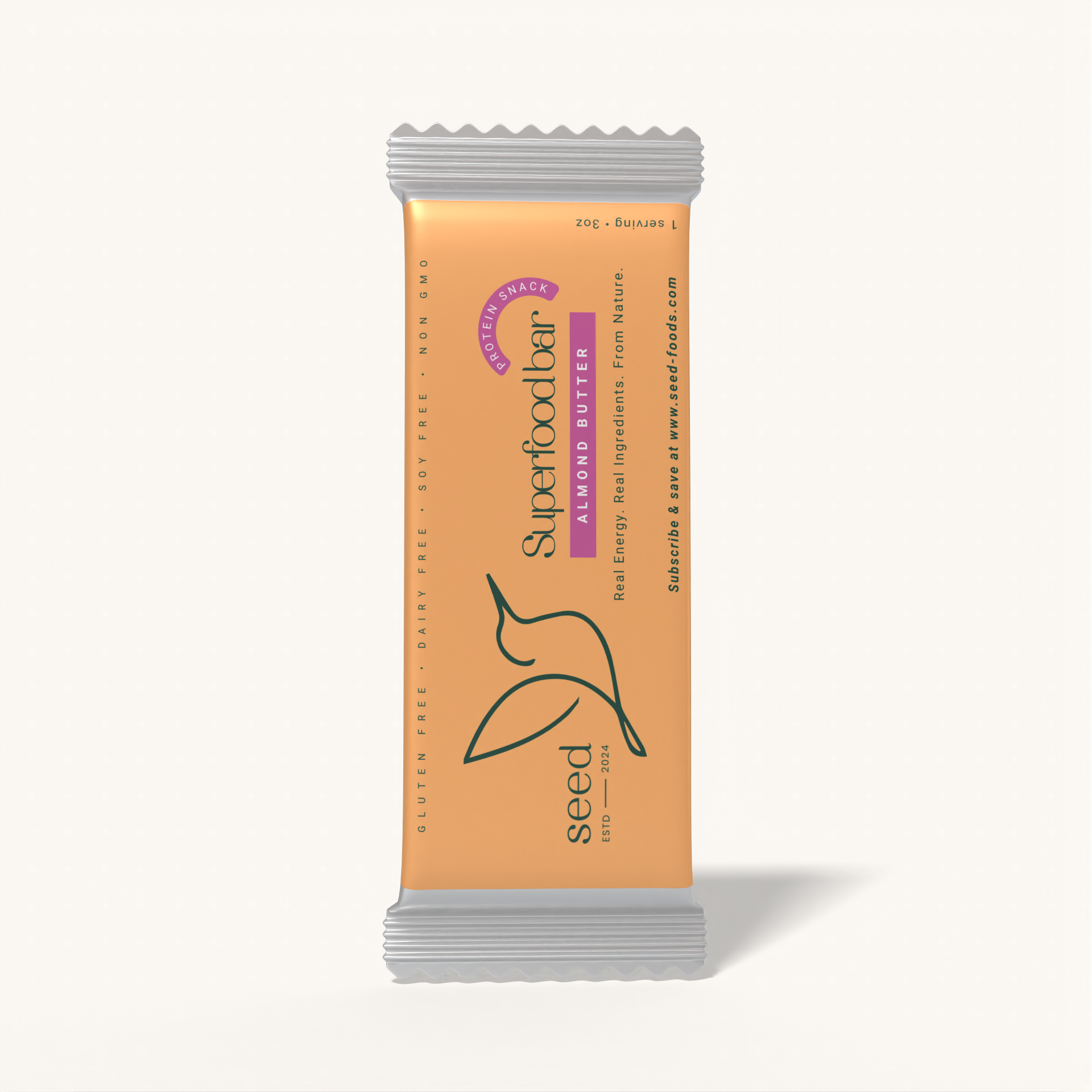
Snacks carry more weight than people expect. A plant-based protein bar in a bag or desk drawer removes the decision entirely. Our Almond Cacao Superfood Bar delivers 20 grams of protein for $5.99.
Watch out: adding five new protein sources in one week is the fastest route to digestive discomfort. Add one at a time and give your gut a week to adjust.
Learn How to Get 40 Grams of Protein Without Meat at Any Meal
Forty grams without meat is entirely doable, and it takes three or four familiar foods rather than a specialty product. The trick is to build the plate in layers and know roughly what each layer contributes. Here is the working math we use, with approximate protein for common portions:
| Food | Typical Portion | Approximate Protein |
|---|---|---|
| Cooked lentils | 1 cup | 18 grams |
| Cooked black beans | 1 cup | 15 grams |
| Firm tofu | 1/2 cup, cubed | 10 grams |
| Tempeh | 1/2 cup | 15 to 16 grams |
| Shelled edamame | 1/2 cup | 9 grams |
| Cooked quinoa | 1 cup | 8 grams |
| Peanut butter | 2 tablespoons | 7 grams |
| Hemp seeds | 3 tablespoons | 10 grams |
| Pumpkin seeds | 1/4 cup | 8 to 9 grams |
| Soy milk | 1 cup | 7 to 8 grams |
Approximate Protein
With those numbers in hand, 40 grams at a single meal is a pairing exercise, not a calculator exercise. A lentil bowl alone lands near 18 grams; add a half-cup of edamame and a tahini drizzle and you cross 30. Add a half-cup of tempeh or a scoop of tarwi protein and you are past 40 without a specialty product.
Here is how we would build it at each meal:
| Meal | What Goes On the Plate | Approximate Protein |
|---|---|---|
| Breakfast | Oatmeal with 1 cup soy milk, 3 tablespoons hemp seeds, and 2 tablespoons peanut butter | 30 to 35 grams |
| Lunch | Grain bowl with 1 cup lentils, 1/2 cup edamame, and tahini dressing | 30 to 35 grams |
| Dinner | Tofu or tempeh stir-fry with 1/2 cup chickpeas and 1 cup quinoa | 35 to 40 grams |
| Snack | Protein bar plus 1/4 cup pumpkin seeds | 28 to 30 grams |
A few practical notes make the numbers hold up. Cooked legumes weigh more than dry, so measure after cooking; a half-cup of cooked lentils is not the same as a half-cup of dry lentils. Tofu varies by firmness, and firm or extra-firm packs more protein per bite than silken. Tempeh is denser than tofu, which is why a half-cup gets you close to 16 grams. If you are building a 40-gram meal from scratch, the reliable formula is one legume (about 15 to 18 grams) plus one soy food (about 10 to 16 grams) plus one seed or nut addition (about 7 to 10 grams).
Watch out: stacking three high-fiber legumes in one sitting can leave you uncomfortably full before you hit your protein target. If you are increasing legumes, rinse canned beans well and spread the servings across the day rather than crowding them into one meal.
This is the practical answer to how to get 40 grams of protein without meat, and it does not require a calculator at the table once you have used the portions a few times.
Understand Plant Protein Powder Benefits for Sensitive Stomachs
Plant protein powders offer convenience for closing a protein gap. Look for a label with a simple ingredient list if you have a sensitive stomach.
Our powders are free from fillers, gums, soy, and dairy. The Cacao and Lucuma Tarwi blends each provide 20 grams of protein per serving with all nine essential amino acids, and they are easy to digest.
If digestion is your sticking point, our guide to why plant protein causes bloating explains what to look for on a label, and our roundup of the best protein for sensitive stomachs compares the options in detail.
Combine Plant Proteins for Complete Amino Acid Profiles
Protein quality matters more than most vegan guides admit. A 2024 review indexed in PubMed Central is bluntly titled "Achieving High Protein Quality Is a Challenge in Vegan Diets," and it recommends eating a variety of complementary plant foods as the practical fix (Achieving High Protein Quality Is a Challenge in Vegan Diets(https://pmc.ncbi.nlm.nih.gov/articles/PMC12166188/)).
Complete protein means a food supplies all nine essential amino acids in usable amounts. Soy and chocho do this on their own. Most other plants fall short in one amino acid, which is why pairing works: rice with beans, bread with peanut butter, lentils with grains.
You do not need to pair at every meal. Eating a varied diet across the day covers the gaps. Still, understanding the principle helps you build plates that hold together. Our guide to complete amino acids in plant foods goes deeper if you want the full picture.
Plan Balanced Meals and Grain Bowls That Hit Your Protein Target
Meal planning is where protein targets stop being theoretical. Start with a grain, add a legume, add a soy food or a protein bar, then finish with seeds and vegetables. That formula produces a balanced bowl every time and scales to any protein target.
- Grain base: quinoa, brown rice, or farro
- Legume layer: lentils, black beans, or chickpeas
- Protein anchor: tofu, tempeh, or a scoop of tarwi protein
- Seeds and vegetables: pumpkin seeds, asparagus, leafy greens
- Sauce: tahini, peanut, or a cacao protein blend
The formula only works if you know what each layer contributes. A standard bowl built on 1 cup of quinoa (8 grams), 1 cup of lentils (18 grams), a half-cup of edamame (9 grams), and 2 tablespoons of tahini (about 5 grams) lands near 40 grams before you add vegetables. Swap the lentils for black beans and you lose about 3 grams; swap quinoa for brown rice and you lose about 3 more.
Here is a sample day that shows how the pieces add up to a realistic total for an adult eating around 1,800 to 2,000 calories:
| Meal | Example | Approximate Protein |
|---|---|---|
| Breakfast | Overnight oats with soy milk, chia seeds, and peanut butter | 20 to 25 grams |
| Lunch | Grain bowl with quinoa, lentils, edamame, and tahini | 35 to 40 grams |
| Snack | Hummus with vegetables and a handful of pumpkin seeds | 10 to 12 grams |
| Dinner | Tempeh stir-fry with chickpeas, brown rice, and broccoli | 30 to 35 grams |
| Evening | Soy milk or a small protein shake | 8 to 20 grams |
| Daily total | 100 to 130 grams |
That range covers most adults, but individual needs vary with body weight, age, and activity level. Protein needs vary with body weight, age, and activity level, so adjust portions up or down to fit your needs and check with a healthcare professional if you have questions.
Prep components on Sunday and assemble bowls in minutes during the week. Cook a large batch of grains, roast a tray of tofu or tempeh, and keep rinsed canned beans and frozen edamame on hand. Canned and frozen staples are a convenient option for keeping protein foods on hand. A rice cooker or a sheet pan does most of the work.
Watch out: prepping five days of the same bowl is the fastest way to abandon the plan by Thursday. Cook two grains and two proteins, then mix the combinations across the week so the formula stays the same but the meals do not.
This is meal preparation that survives a busy schedule, and it is the difference between hitting your protein intake and guessing at it.
Build Your Vegan Protein Routine With Seed Foods
A routine beats willpower. Pick two anchor meals you will always build the same way, keep one snack within reach, and restock the base shelf weekly. Do that and protein stops being a daily negotiation.
That is where we come in. Seed Foods uses chocho, an ancient Andean lupin, to make complete plant protein with all nine essential amino acids. Our products are free from fillers, gums, soy, and dairy, and they are made for sensitive stomachs that react badly to conventional powders. Our Pure Tarwi Protein offers 25 grams per serving in a 30-serving container for $99.99.
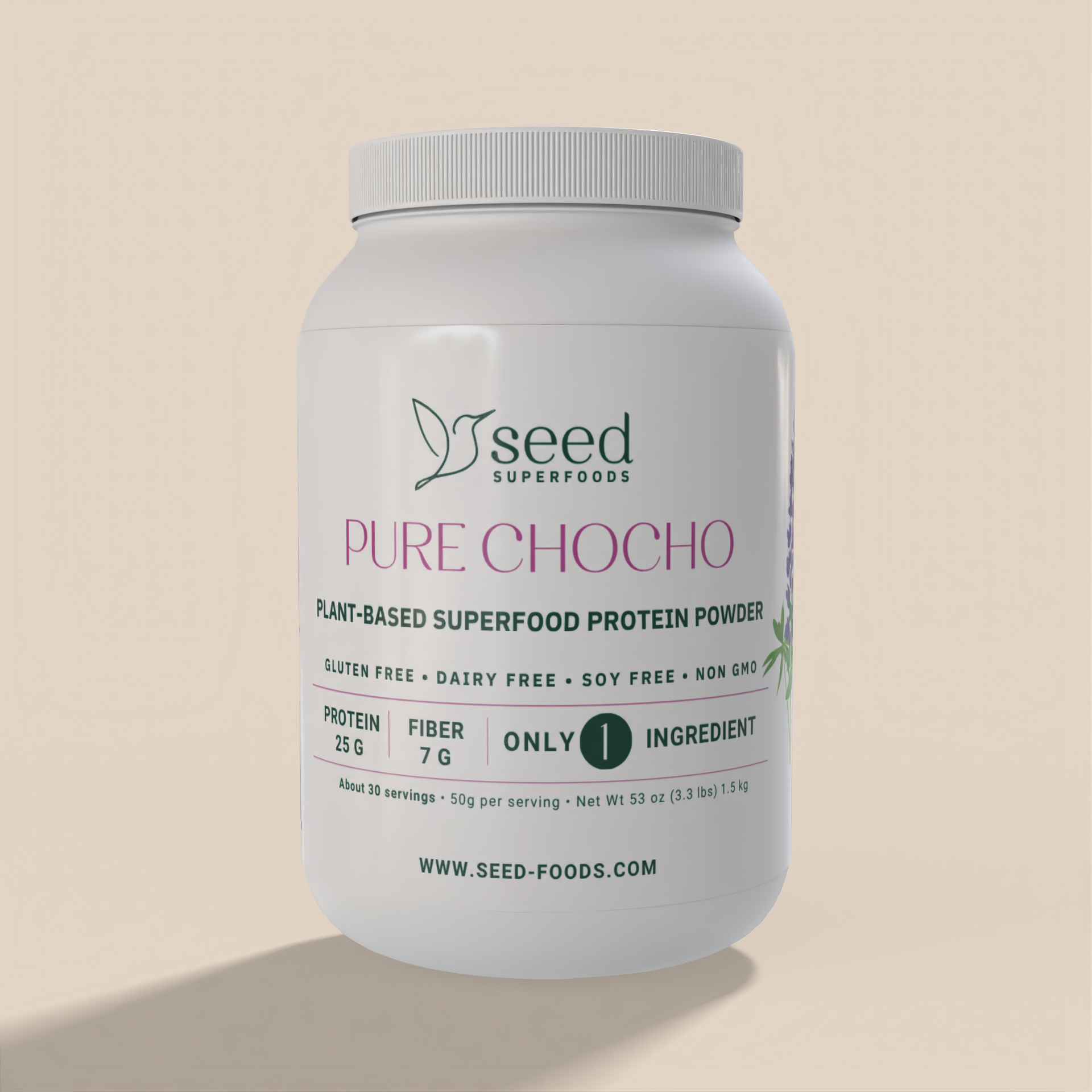
Start with one product, one meal, and one week. Get started with Seed Foods and build a protein routine your stomach will actually tolerate.
Frequently Asked Questions
How do you get enough protein on a vegan diet?
Build meals around legumes, soy foods, nuts, seeds, and whole grains. Vary your sources across the day and include a plant protein powder if whole foods alone leave you short.
What are the best high-protein vegan foods?
Soy foods such as tofu, tempeh, and edamame are complete proteins. Nuts, seeds, peanut butter, and whole grains like quinoa add several grams per serving.
Do vegans need to combine plant proteins at every meal?
No. The old rule about pairing rice and beans at every meal is outdated. Focus on daily variety, not perfect per-meal pairing.
How can vegans get 40 grams of protein without meat?
Combine a few protein-rich foods in one meal, such as legumes, whole grains, nuts, and seeds, and spread protein intake across the day.
Are plant protein powders worth using on a vegan diet?
They can be, especially if whole foods leave gaps. Choose powders with simple ingredient lists if you have a sensitive stomach. Seed Foods' Pure Tarwi Protein provides 25 grams of complete protein per serving from one ingredient, tarwi.

Best Vegan Protein Powder for Smoothies in 2026
Chocho Protein Amino Acid Profile: What the Numbers Show
Related Posts

Plant Protein Powder vs Whey: Which Fits Your Body

How to Work Ancestral Superfoods Into Your Daily Meals

Chocho Protein Amino Acid Profile: What the Numbers Show

Best Vegan Protein Powder for Smoothies in 2026

Benefits of Ancestral Gut Support Supplements: What Evidence Shows

Are Ancestral Probiotic Superfoods Good for Gut Health?


