

Best Protein for Sensitive Stomachs: 2026 Guide
Table of Contents
- Why Protein Powders Cause Bloating and Gas
- Protein Powder Ingredients to Avoid for Sensitive Stomachs
- Quick Comparison: Best Protein for Sensitive Stomachs
- Chocho Protein Benefits for Gut Health
- How to Stop Protein Shake Bloating
- Top Picks: Best Protein for Sensitive Stomachs
- Conclusion
- Frequently Asked Questions
Last Updated: September 18, 2026
Why Protein Powders Cause Bloating and Gas
If you've ever felt your stomach swell within an hour of finishing a shake, you're not imagining it. Most protein powders are built around dairy or soy, both of which are common triggers for digestive distress. This guide from Seed Foods walks through why that happens and what to look for instead. Switching to a cleaner protein source often provides immediate relief, yet long-term gut health ultimately depends on incorporating a wider variety of easy to digest foods into your daily nutritional routine.
The two biggest culprits are lactose and added sweeteners.
Lactose Intolerance and Whey Concentrate
Whey concentrate contains lactose, the same milk sugar that causes problems for people with lactose intolerance. Many adults produce less lactase as they age, so even a small amount of dairy protein can trigger gas, cramping, and bloating. Whey isolate removes more lactose than concentrate, but it is still a dairy ingredient, and trace amounts can bother highly sensitive people.
Artificial Sweeteners and Sugar Alcohols
Sugar alcohols like sorbitol, xylitol, and maltitol are common in low-calorie protein powders. They ferment in the colon, which produces gas and can pull water into the gut. Artificial sweeteners such as sucralose may also affect the gut microbiome, though research on this is still developing.
Protein Powder Ingredients to Avoid for Sensitive Stomachs
The fastest way to stop the bloating is to read the label and skip the ingredients that cause it. A common approach is to avoid anything you cannot pronounce, but that rule misses some real offenders, xanthan gum and carrageenan are easy to say and hard on a sensitive gut.
The four trigger classes
1. Lactose-bearing dairy proteins. Whey concentrate and milk protein isolate carry lactose, the milk sugar that undigested lactase leaves behind for gut bacteria to ferment. That fermentation produces hydrogen and methane gas, which is the bloating and cramping people feel within 30 to 90 minutes of a shake.
A label-reading shortcut
If you have IBS or a diagnosed FODMAP sensitivity, the fastest filter is to look for a low-FODMAP certification on the package. Monash University maintains the reference FODMAP food database most practitioners use, and a small number of protein brands carry a Monash-certified low-FODMAP mark.
What to avoid, at a glance
- Whey concentrate and milk protein isolate
- Soy protein isolate
- Sugar alcohols (sorbitol, xylitol, maltitol, erythritol)
- Artificial sweeteners (sucralose, aspartame, acesulfame potassium)
- Gums and thickeners (xanthan gum, guar gum, carrageenan, cellulose gum)
- Natural and artificial flavors with undisclosed compounds
Many businesses find that switching to a single-ingredient protein removes most of these triggers at once, because there is nothing on the label to react to.
Quick Comparison: Best Protein for Sensitive Stomachs
Here's how the top options compare on the factors that matter most for digestion.
| Product | Protein | Ingredients | Key Feature | Price |
|---|---|---|---|---|
| PURE TARWI | 25g | 1 | Unflavored, single ingredient | $39.99 |
| CHOCOLATE TARWI | 20g | 7 | Cacao blend, no added sugar | $39.99 |
| LUCUMA TARWI | 20g | 6 | Naturally sweet, caramel notes | $39.99 |
| TOCOSH | N/A | 1 | Fermented probiotic support | $28.99 |
Chocho Protein Benefits for Gut Health
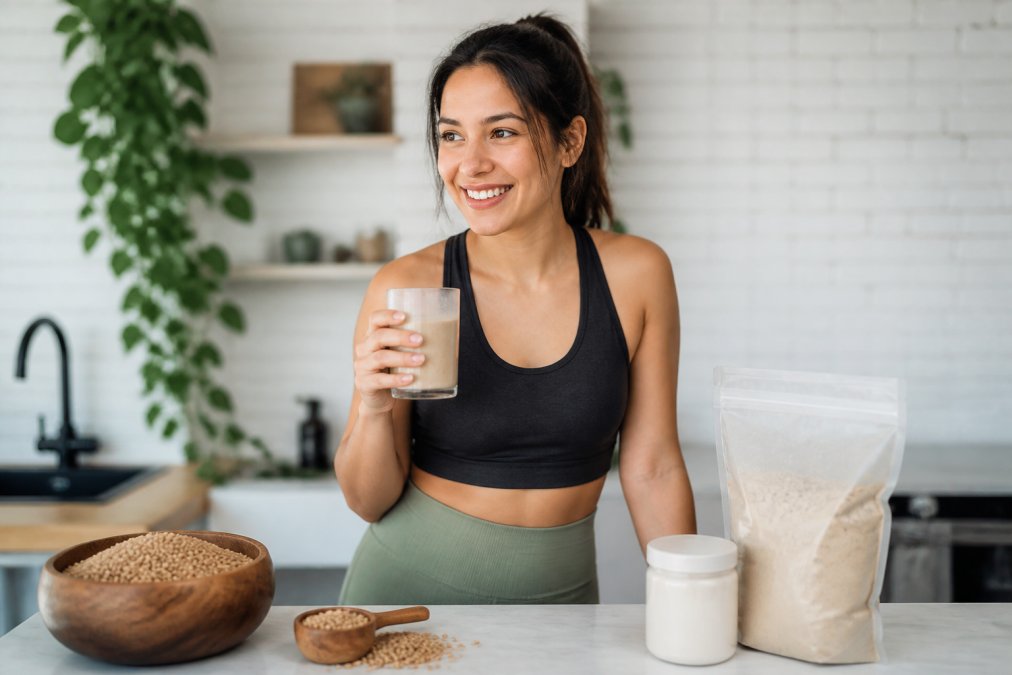
Chocho, also called Andean lupin, is a legume grown in the highlands of Peru. Unlike whey or soy, chocho is naturally alkaline and free from the common allergens that trigger digestive distress. It delivers all nine essential amino acids.

How to Stop Protein Shake Bloating
Stopping the bloat comes down to three changes: pick a cleaner protein, adjust how you drink it, and give your gut time to adapt. Most people see improvement within the first week, though a gut that has been reacting for months can take two to four weeks to settle.
1. Switch to a single-ingredient, dairy-free protein
If the trigger is an additive, removing the additive removes the symptom. A single-ingredient protein has no gums, no sweeteners, and no flavor compounds to react to, which makes it the cleanest starting point. If you still bloat on a single-ingredient protein, the issue is more likely dose, timing, or an underlying condition than the powder itself.
2. Start with half a serving for the first three days
A full 25g serving of any protein is a lot of substrate for gut bacteria at once. Halving the serving for three days lets your gut adapt, then you can step up to a full scoop. If half a serving still causes symptoms, the problem is the ingredient, not the amount.
3. Mix with water instead of milk
Milk adds lactose on top of whatever is already in the powder. Water removes that variable entirely. If you want creaminess without dairy, unsweetened almond milk or a small amount of coconut milk are lower-FODMAP alternatives for most people.
4. Drink slowly rather than chugging
Chugging a shake introduces swallowed air (aerophagia) and delivers a large protein load to the stomach in a short window. Sipping over 10 to 15 minutes gives the stomach time to empty gradually and reduces the air that ends up in the gut.
5. Consider a digestive enzyme or probiotic
Lactase drops or tablets help if lactose is the trigger, they break down the milk sugar before it reaches the colon. For plant-based proteins, a broad-spectrum protease enzyme can help some people break down the protein more completely. On the probiotic side, fermented foods like tocosh, kimchi, or kefir introduce live bacteria that can support a gut microbiome that has been disrupted by antibiotics, stress, or a long stretch of processed food.
6. Keep a two-week symptom log
A common mistake is blaming protein itself when the real trigger is an additive. The log is what separates the two.
Top Picks: Best Protein for Sensitive Stomachs
These four options from Seed Foods cover the main use cases, from unflavored versatility to gut-focused probiotic support.
1. PURE TARWI: Unflavored 25g Protein
The best protein for sensitive stomachs is one you can trust completely, and Pure Tarwi earns that spot. It has a single ingredient, 25g of complete plant protein, and all nine essential amino acids. No gums, no fillers, no sweeteners. It mixes into anything, sweet or savory, without changing the flavor.
2. CHOCOLATE TARWI: Cacao Blend
Chocolate Tarwi pairs chocho protein with antioxidant-rich cacao for a smooth, deep chocolate flavor. Seven natural ingredients, 20g of protein, and no added sugars. If you want a shake that feels like a treat but still respects your gut, this is the pick.
3. LUCUMA TARWI: Naturally Sweet
Lucuma is a Peruvian fruit with a creamy, caramel-like sweetness. Combined with chocho, it creates a naturally sweet protein that needs no added sugar. Six ingredients, 20g of protein, no gums or fillers. Best for anyone who wants sweetness without the sugar alcohols that trigger bloating.
4. TOCOSH: Probiotic Gut Support
Tocosh isn't a protein powder, but it belongs in this list. Made by fermenting potatoes in spring water, it is rich in beneficial bacteria that support digestion and gut balance. If your bloating comes from an imbalanced microbiome, adding Tocosh alongside your protein can help restore the balance.
Conclusion
Finding the best protein for sensitive stomachs usually means giving up dairy, soy, gums, and sugar alcohols at the same time. That's a tall order for most brands. Seed Foods builds around chocho, an Andean legume that is naturally alkaline, anti-inflammatory, and free from the fillers that cause most reactions.
Frequently Asked Questions
Which protein is most gut friendly?
Plant-based proteins like chocho (Andean lupin), pea protein, and egg white protein are often easier on the stomach than whey concentrate. Chocho is a complete protein with all nine essential amino acids and is naturally free from common allergens like dairy and soy. It also contains fiber, which supports digestion. Look for products with minimal ingredients and no artificial sweeteners or sugar alcohols.
Why does protein powder cause bloating and gas?
Bloating often comes from lactose in whey concentrate, sugar alcohols like sorbitol or xylitol, or added gums and fillers. These ingredients can ferment in the gut, causing gas and discomfort. Artificial sweeteners may also disrupt the microbiome. If you have lactose intolerance or IBS, choosing a dairy-free, additive-free protein like chocho can help prevent these issues.
What types of protein are good for an upset stomach?
Hydrolyzed whey isolate, egg white protein, and plant-based options like chocho, pea, and rice protein are generally gentle. Chocho is especially well-tolerated because it is hypoallergenic, gluten-free, and soy-free. It also provides fiber and omegas. Avoid proteins with artificial sweeteners, sugar alcohols, or added gums, which can trigger gastrointestinal distress.
How can I stop protein shake bloating?
Try a protein with minimal ingredients, like a single-ingredient chocho powder. Avoid dairy, soy, and artificial additives. Start with a small serving to see how your body reacts. You can also add digestive enzymes or probiotics like Tocosh to support gut health. Drink your shake slowly and avoid mixing it with high-FODMAP ingredients.
What are chocho protein benefits for sensitive stomachs?
Chocho is an ancient Andean legume that provides 25g of complete protein per serving with all nine essential amino acids. It is naturally alkaline and anti-inflammatory, and free from fillers, gums, soy, and dairy. Its high fiber content supports digestion, and it is easy to digest, making it a good option for people with sensitive stomachs. It also contains omegas and minerals.
NIH overview of lactose intolerance
FDA guidance on food labeling and allergens
Harvard T.H. Chan School of Public Health on protein sources
Soy Free Dairy Free Protein Powder: 2026 Buyer's Guide
Buy Clean Chocho Protein Powder: A 2026 Guide
Related Posts

Best Plant Protein Without Gums: Clean Choices

Alkaline Diet Foods for Inflammation

Buy Clean Chocho Protein Powder: A 2026 Guide

Soy Free Dairy Free Protein Powder: 2026 Buyer's Guide

How Much Protein for Muscle Recovery: A 2026 Guide

Avena Chocho con Vainilla Dorada (Apto para Niños)


