

Chocho Beans vs Lupini Beans for Nutrition and Taste
Quick Summary
Chocho beans (Lupinus mutabilis, also called tarwi) are a native Andean lupin, while lupini beans are the Mediterranean white lupin, Lupinus albus. Both are legumes often sold as high-protein snacks, but they are different species that need different preparation, so check the species name on the label.
- Chocho is Lupinus mutabilis, a native Andean lupin also called tarwi.
- Lupini refers to Lupinus albus, the white lupin eaten around the Mediterranean.
- Compare nutrition labels on the same basis: dry, drained, or ready-to-eat.
- Protein powders are mostly protein, while whole beans also supply fiber and minerals.
- Lupin beans contain bitter alkaloids, so soak, rinse, and follow the product's preparation instructions.
Table of Contents
- How Chocho Beans vs Lupini Beans Are Related
- Chocho Beans vs Lupini Beans Nutrition Side by Side
- Chocho Beans vs Lupini Beans Taste and Texture
- Chocho Beans vs Lupini Beans vs Tarwi: Naming and Sourcing Guide
- Preparation, Food Safety and Practical Substitution
- Allergies, Cautions and Environmental Differences
- Choosing Your Next Chocho Protein at Seed Foods
- Frequently Asked Questions
How Chocho Beans vs Lupini Beans Are Related
Chocho and lupini beans come from the same plant family, but they are not the same bean. Chocho (Lupinus mutabilis) is a native Andean lupin. Lupini are seeds of Lupinus albus, the white lupin traditionally cured and eaten around the Mediterranean. Both are legumes, both are often sold as high-protein snacks, and both are frequently confused on store shelves.
Scientific names, origins and regional names
Chocho goes by several names, including tarwi, Andean lupin and Peruvian lupin. Lupini is the name used for the Mediterranean white lupin, which is sometimes sold as "Egyptian" or "Italian" lupini depending on the market. The naming overlap is the main reason shoppers mix the two up.
Think of the names as a map. Chocho and tarwi point to the Andes, while lupini points to the Mediterranean. A label that uses both words is usually telling you about marketing, not botany.
Are chocho and Mediterranean lupini the same?
No. They are different species with different seed sizes, flavors and preparation needs. Chocho has been cultivated in the Andes for generations. Mediterranean lupini is typically soaked for days to remove bitter alkaloids before it is eaten. Both require careful preparation, which is why the processing step matters more than the name on the bag.
Chocho Beans vs Lupini Beans Nutrition Side by Side
A true side-by-side comparison has to start with the same unit. Dry beans, cooked beans, and ready-to-eat jarred beans have very different weights per cup, so a per-100-gram figure on a dry product is not comparable to a per-serving figure on a drained, brined product. The most useful approach is to compare both beans on a per-100-gram cooked basis and then translate that to a realistic serving.
Protein, fat and fiber per serving
Chocho is a protein-rich legume, and the Pure Tarwi Protein products list 25 grams of plant protein per serving. Read the amino acid breakdown of chocho protein for the detailed profile. Exact protein figures vary with variety, growing conditions, and whether the product is whole, split, or flour, so check the label on the product you buy. For a head-to-head look, see the chocho vs whey protein comparison.
Chocho and lupini differ in fat content, and the nutrition label on each product is the best guide to how they compare. Our chocho complete protein question explains how its protein quality stacks up.
Both beans supply dietary fiber, though the amount varies by product.
A practical way to read a label:
- Check the basis. Is the Nutrition Facts panel for dry, drained, or ready-to-eat beans?
- Normalize to 100 g cooked. Multiply or divide so both products are on the same footing.
- Compare protein per 100 calories, not just per 100 grams, if you are choosing a snack for satiety rather than volume.
- Note added sodium. Check the label for added sodium, since brined products can differ from dry ones.
Calories compared at the same serving size
Calorie content can differ between products, so compare labels at equal serving size and preparation rather than equal dry weight.
Micronutrients are where labels matter most. Both beans supply potassium, magnesium, and iron, but the amounts vary by variety, soil, and whether the product is whole or a protein isolate. If you are buying a chocho protein powder rather than whole beans, the micronutrient profile changes entirely, isolates are mostly protein and little else. Whole cooked beans are the better comparison for fiber and minerals; powders are the better comparison for protein per dollar.
Watch out: a product marketed as 'chocho protein' may be an isolate with almost no fiber, while a jar of lupini is a whole food with fiber and sodium. Comparing the two on protein alone will overstate how interchangeable they are.
The article's nutrition comparison comes down to a few label checks, summarised below.
| Label check | What to look for | Why it matters |
|---|---|---|
| Basis of the panel | Dry, drained, or ready-to-eat | Figures are only comparable on the same basis |
| Normalize | Convert to 100 g cooked | Puts both beans on the same footing |
| Protein per 100 calories | Compare per calorie | Better gauge for satiety than weight alone |
| Added sodium | Check brined products | Brined products can differ from dry ones |
| Product form | Whole bean or protein isolate | Isolates are mostly protein with little fiber |
Chocho Beans vs Lupini Beans Taste and Texture
Taste and texture depend on how the product is processed. The Pure Tarwi Protein is a neutral-flavored powder that blends easily into smoothies, shakes and recipes.
Chocho Beans vs Lupini Beans vs Tarwi: Naming and Sourcing Guide
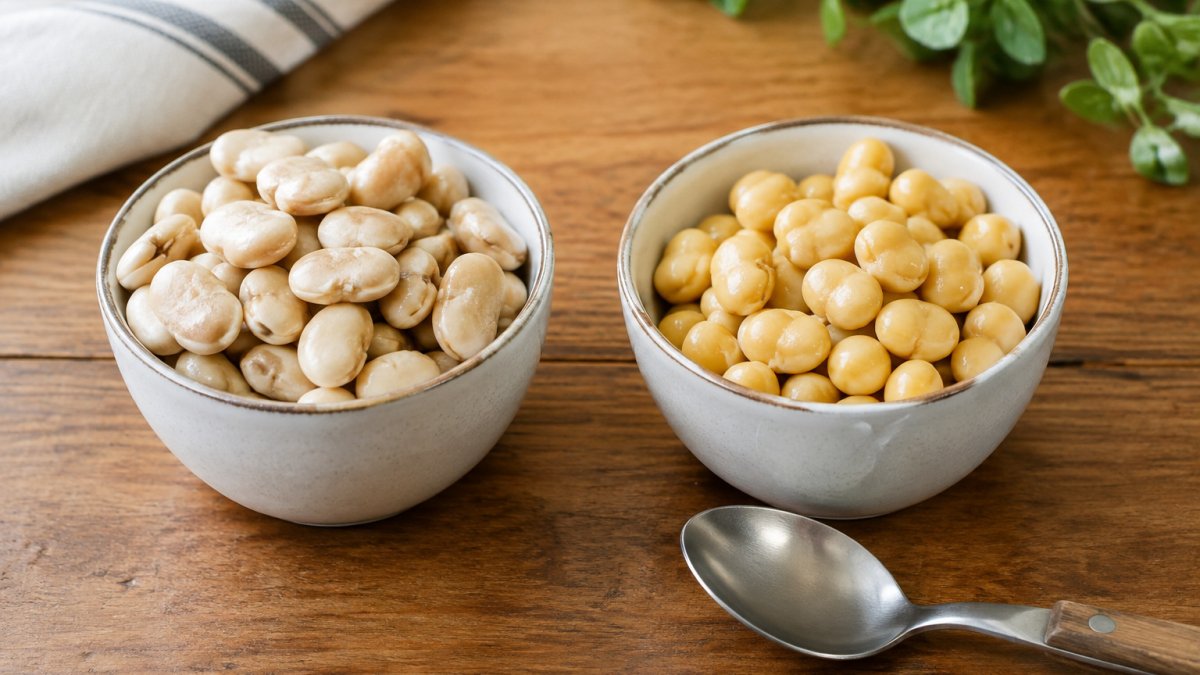
Tarwi is simply another name for chocho. If a label says "tarwi," you are buying the same Andean lupin. Lupini, by contrast, refers to the Mediterranean white lupin. Use the species name on the label when you can, because marketing terms are not standardized.
Look for these signals when sourcing:
- Species named: Lupinus mutabilis indicates chocho, Lupinus albus indicates lupini.
- Processing stated: Debittered or ready-to-eat beans are safer to use straight from the package.
- Origin given: Andean origin points to chocho; Mediterranean origin points to lupini.
Preparation, Food Safety and Practical Substitution
Lupin beans can contain bitter alkaloids that must be removed before eating, which is why traditional preparation involves soaking and rinsing. Always follow the product's preparation instructions.
Why processing matters and how the two beans differ
Follow the product-specific instructions, since preparation requirements vary by product.
A common pattern for dried beans:
- Soak in plenty of water, changing the water at least once or twice a day.
- Boil until tender, then drain.
- Continue rinsing or soaking in fresh water, tasting a bean each time, until the bitterness is gone.
- Store cooked beans refrigerated and use within a few days, or follow the package's storage guidance.
Watch out: do not drink the soaking or cooking water, and follow the specific product instructions for preparation.
Practical substitution advice
Chocho and lupini are not a one-for-one swap in every recipe, because their texture and fat content differ.
- In smoothies and recipes, the neutral-flavored Pure Tarwi Protein blends easily, and you can adjust the amount to suit your taste.
If you are substituting a chocho protein powder for whole lupini, treat it as a different ingredient entirely, it will not provide the fiber, texture, or sodium profile of the whole bean. For dried chocho, our how to prepare dried chocho beans for cooking walkthrough covers the soak-and-rinse steps in more detail.
Allergies, Cautions and Environmental Differences
Lupin can be an allergen (the FDA). Anyone with a food allergy, pregnant people, young children, and anyone on medication should check with a doctor before trying it.
Choosing Your Next Chocho Protein at Seed Foods
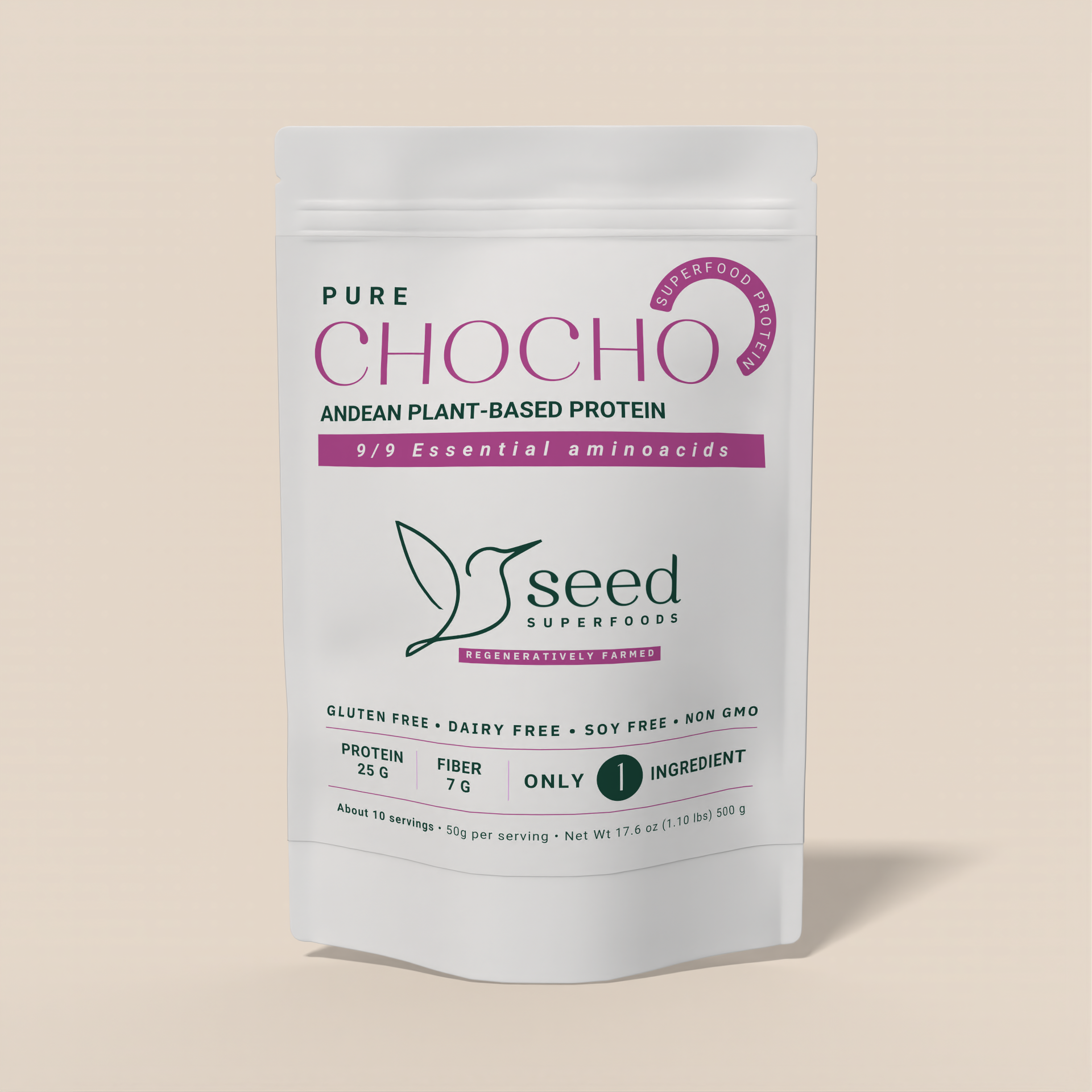
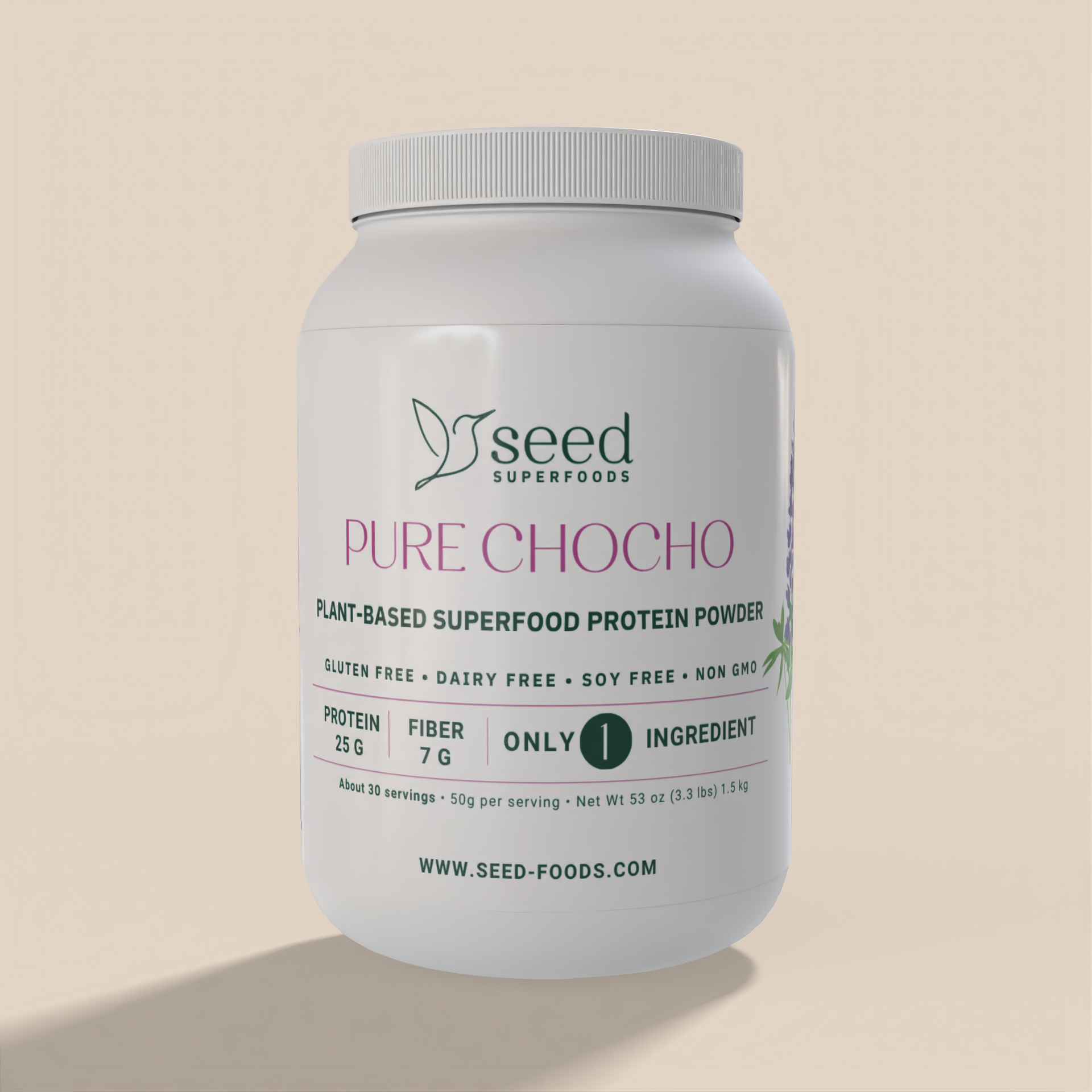
If you are weighing chocho against lupini for protein, check the labels and choose the option that fits how you plan to eat it. At Seed Foods, we offer Pure Tarwi Protein, 1.1 LBS, at $39.99 for an easy way to add plant protein to smoothies and recipes, and our Pure Tarwi Protein 3.3 LBS, 30 servings, at $99.99 gives you a larger supply. Read the labels, check the species, and choose the option that fits how you plan to eat it.
Frequently Asked Questions
Are lupini beans the healthiest bean?
Lupini and chocho beans are both protein-rich legumes, but they require proper debittering before eating. Whether either is the right choice depends on your needs, so check the label on the product you buy.
What are chocho beans called in English?
Chocho is also known as tarwi and Andean lupin. It is a different species from the Mediterranean lupini bean, Lupinus albus.
Are chocho beans the same as lupini beans?
They are related but not identical. Chocho (Lupinus mutabilis) comes from the Andes. Lupini (Lupinus albus) comes from the Mediterranean. Both are legumes in the lupin genus, but they are different species.
How many calories are in chocho and lupini beans?
Calorie counts vary by how the beans are cooked and packaged, so compare figures using the same serving size and preparation. Use the nutrition label on the specific product you buy, and check the protein and fat per serving alongside calories. The Pure Tarwi Protein listing shows 25 grams of protein per serving, which you can use alongside the nutrition label on any product you compare.
How should you prepare chocho or lupini beans?
Both beans contain bitter alkaloids that are removed by preparation. Follow the specific product's instructions for soaking and cooking, and do not drink the soaking water.

Related Posts

Plant Protein Powder vs Whey: Which Fits Your Body

How to Work Ancestral Superfoods Into Your Daily Meals

Chocho Protein Amino Acid Profile: What the Numbers Show

7 Ways to Get Enough Protein on a Vegan Diet

Best Vegan Protein Powder for Smoothies in 2026

Benefits of Ancestral Gut Support Supplements: What Evidence Shows


