

How Do You Prepare Dried Chocho Beans for Cooking?
Last Updated: November 2, 2026
Quick Summary
To prepare dried chocho beans, soak them in cold water for at least 24 hours, changing the water every 8 to 12 hours. Then drain them and cook in fresh water for 60 to 120 minutes until tender. After cooking, rinse and refrigerate the beans in fresh water, changing it every 8 to 12 hours until they taste mild.
- Sort and rinse the beans, then submerge them with at least two inches of water above them.
- Keep soaking beans in the refrigerator if your kitchen is above 70°F.
- Never cook beans in the water they soaked in; start with a clean pot.
- A light salt brine after cooking draws out bitterness and seasons the beans.
- Pressure cook soaked, drained beans at high pressure for roughly 12 to 20 minutes.
Table of Contents
- How to Prepare Dry Beans for Cooking: The Chocho Basics
- Step 1: Sort, Rinse, and Submerge the Beans
- How Long to Soak Lupini Beans (and Why the Range Is So Wide)
- How Long to Cook Lupini Beans in Fresh Water
- Debittering: Repeated Rinsing, Brine, and Salt
- Faster Methods: Pressure Cooker and Troubleshooting
- What to Do With Lupin Beans Once They're Cooked
- Storing Cooked Chocho Beans and Choosing Your Next Batch
- Frequently Asked Questions
How to Prepare Dry Beans for Cooking: The Chocho Basics
Learning how to prepare dried chocho beans starts with one fact: chocho beans are lupini beans, and they need more care than most dry beans. Chocho is an ancient Andean legume packed with complete plant protein.
Chocho beans are the dried seeds of the Andean lupin, a legume grown in the highlands of Peru and known elsewhere as lupini or lupin beans. They are not a quick pantry staple but a project, and the payoff is a firm, meaty bean with a mild, nutty taste.
Below, we walk you through each step, the timings that matter, and the mistakes that leave beans bitter.
Why Chocho Needs a Different Approach Than Other Dry Beans
Standard dry beans need soaking and cooking. Chocho needs soaking, cooking, and a debittering phase on top of that.
The bitterness comes from alkaloids in the raw bean. You cannot boil them away in one pass. Repeated rinsing and, in many traditional methods, a salt brine soak pull those compounds out over time.
That is why you will see wildly different timings online. Some recipes call for a 24-hour soak, others several days. Both work, but they solve the same problem at different speeds.
Step 1: Sort, Rinse, and Submerge the Beans
Spread the dried beans in a single layer on a sheet pan or countertop. Pick out shriveled beans, stones, and debris.
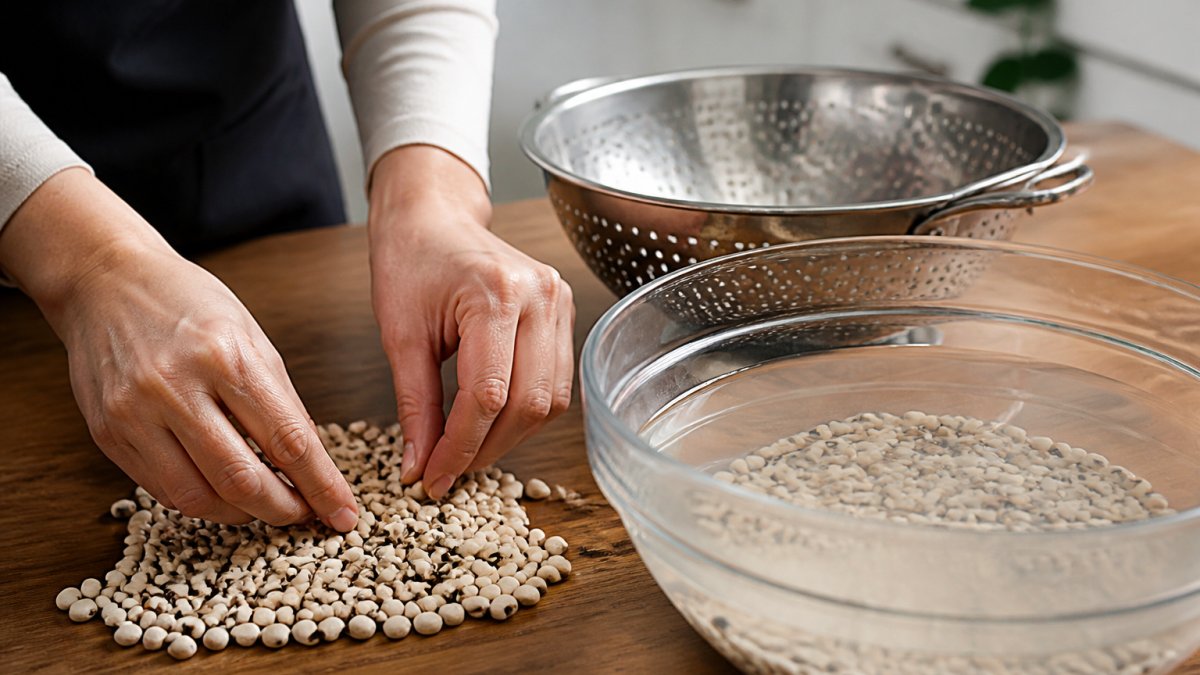
Next, rinse the beans under cold water in a colander. Swirl them with your hands to knock off dust.
Then move them to a large container or pot that leaves plenty of room, because the beans will swell.
A common mistake is using a bowl that is too small. Beans at the top dry out and stay hard while the rest soak. When in doubt, go bigger.
How Long to Soak Lupini Beans (and Why the Range Is So Wide)
Soak lupini beans for at least 24 hours, and plan on changing the water every 8 to 12 hours. That is the baseline most home cooks can rely on.
Why the wide range? Because soak time and debittering overlap. A long soak with frequent water changes does part of the debittering work.
General dry-bean guidance from Kansas State University Extension recommends soaking beans for at least five hours, draining the soaking water, and cooking in fresh water. That is a floor, not a target, for chocho.
The 24-Hour Baseline and When to Go Longer
Use 24 hours as your starting point. Keep the container in the refrigerator if your kitchen runs warm.
Go longer, up to two or three days, when:
- The beans still taste sharp after the first boil
- You are working with older, drier beans
- Your recipe calls for a very mild, snack-ready bean
Change the soaking water each time you pass the container. Discard the old water and add fresh cold water. This is the single most effective step for reducing bitterness.
A Practical Soak Schedule You Can Follow
Here is a schedule that can help you plan the soak. It assumes a 1-pound bag of dried chocho beans and a 4-quart container.
| Time | Action | What to Check |
|---|---|---|
| Hour 0 | Sort, rinse, cover with 2 inches cold water | Beans fully submerged |
| Hour 8 | Drain, rinse, refill with cold water | Water may look cloudy; that is normal |
| Hour 16 | Drain, rinse, refill | Beans should be visibly swollen |
| Hour 24 | Drain, rinse, refill | Taste one raw bean: it should be less bitter than at hour 0 |
| Hour 36 (optional) | Drain, rinse, refill | Only if beans still taste sharp |
| Hour 48 (optional) | Drain, rinse, refill | Stop here and proceed to cooking |
Keep the container in the refrigerator for the entire soak if your kitchen is above 70°F. At cooler room temperatures, a countertop soak is fine, but refrigeration is the safer default.
Container Setup and Common Soak Mistakes
A common mistake is using a bowl that is too small. Beans at the top dry out and stay hard while the rest soak. When in doubt, go bigger.
Other mistakes to avoid:
- Skipping water changes: The soaked water accumulates bitter compounds. Changing it every 8 to 12 hours is not optional.
- Soaking in warm water on the counter: This speeds fermentation and can make beans sour. Use cold water and refrigerate.
- Adding salt to the soak: Save salt for the brine stage after cooking. Salt in the soak can toughen skins.
Troubleshooting Hard Beans After Soaking
If beans are still hard after 24 hours, the cause is usually bean age or insufficient water. Older beans need longer soaking, so extend to 36 or 48 hours with regular water changes. If beans remain hard after 48 hours, they are likely too old to soften and should be discarded.
Another cause is water hardness. Very hard tap water can slow hydration. If your tap water is heavily mineralized, use filtered water for soaking.
How Long to Cook Lupini Beans in Fresh Water
Cook lupini beans in fresh water for 60 to 120 minutes at a gentle boil, then test for tenderness. Drain the soaking water first and start with a clean pot. Never cook beans in the water they soaked in.
Pure Tarwi Protein | 25G Plant Protein | 1.1 LBS →
Cooking time depends on the bean. Fresher dried beans soften in about an hour. Older beans can take two hours or more. Keep the pot at a low boil and top up the water so the beans stay covered.
Testing for Tenderness and Handling the Skins
Bite into a bean every 15 minutes once you pass the one-hour mark. You want a bean that gives under your teeth without turning to mush.
The skins are the tell. Chocho beans have a tough outer skin that often loosens during cooking. Some cooks slip the skins off before eating.
If the skins feel leathery and the inside is still chalky, keep cooking. If the bean collapses, you have gone too far, which is fine for dips but not for snacking.
Debittering: Repeated Rinsing, Brine, and Salt
Debittering is the step that separates good chocho from inedible chocho. After cooking, drain the beans and rinse them under cold water. Taste one. If it still has a bitter edge, keep going.
Here is the rinse-and-rest cycle we recommend:
- Drain and rinse the cooked beans in cold water
- Cover them with fresh cold water and refrigerate
- Change the water every 8 to 12 hours
- Taste a bean at each change
- Repeat until the bean tastes mild, usually one to three days
Salt helps. A light brine, made by stirring a spoonful of salt into the cold water, draws out bitterness and seasons the bean at the same time. Keep the brine light.
Watch out: skipping the taste test is the most common way people end up with bitter beans. Your tongue is the only reliable timer here.
Why Repeated Water Changes Work
This is why several shorter soaks with water changes beat a single long soak. The mechanism is the same whether you change water every 8 or 12 hours; what matters is that you change it.
Cooking also helps. Heat breaks down cell walls and increases permeability, which is why debittering after cooking is more effective than soaking alone.
Salt Brine Ratios and Timing
A light brine speeds debittering and improves texture.
If you prefer not to use salt, plain cold water works. The trade-off is that debittering may take an extra day.
Signs Bitterness Is Adequately Reduced
Taste is the primary test, but texture and smell also give clues:
- Taste: A properly debittered bean tastes mild and nutty, with no sharp or soapy aftertaste.
- Texture: The bean should be firm but creamy inside, not chalky.
- Smell: The soaking water should smell neutral or slightly beany, not harsh or chemical.
If you are unsure, taste two beans from different parts of the container. Bitterness can vary from bean to bean.
How Long Debittering Usually Takes
Refrigeration is important during debittering. Warm temperatures encourage fermentation and can make beans sour before they are debittered.
Faster Methods: Pressure Cooker and Troubleshooting
Here is how to adapt:
- Soak and rinse as usual
- Add drained beans and fresh water to the cooker, never filling past the max line
- Cook at high pressure for roughly 12 to 20 minutes
- Release pressure naturally, then test for tenderness
- Continue with the debittering rinses
Troubleshooting is mostly about three problems:
- Beans still hard after two hours: likely old beans or too little soak time. Add more soak time on the next batch.
- Beans falling apart: you overcooked them. Use them for hummus or soup.
- Lingering bitterness: you stopped rinsing too early. Keep changing the water.
What to Do With Lupin Beans Once They're Cooked
Cooked lupin beans work anywhere you would use a firm white bean. Toss them with olive oil, lemon, and herbs for a snack. Add them to salads, grain bowls, or stews.
They also make a solid addition to soups, where their firm texture holds up. Season them after cooking, not before, so the salt level stays in your control.
If you would rather skip the prep work, our Pure Tarwi Protein gives you 25 grams of plant protein per serving from one ingredient: tarwi.

Storing Cooked Chocho Beans and Choosing Your Next Batch
Preparing dried chocho beans takes patience, but the process is simple once you know the rhythm: soak, rinse, cook, and rinse again until the bitterness is gone. If that timeline does not fit your week, Seed Foods makes it easy to get chocho's complete plant protein without the prep. Our Pure Tarwi Protein has one ingredient and 25 grams of protein per serving, with no gums or fillers. Our Cacao and Lúcuma Tarwi varieties provide 20 grams of plant protein per serving.
Frequently Asked Questions
Do dried chocho beans need to be boiled before eating?
Yes. Dried chocho beans are not safe to eat raw or after soaking alone. They need a full boil in fresh water, and the soaking water should be drained rather than reused. Chocho also carries bitter compounds that require repeated rinsing and, in many traditional preparations, a longer brine soak before the beans taste mild enough to enjoy.
How long should dried chocho beans soak?
A 24-hour soak is a reasonable starting point, but published guidance for lupini-style beans ranges widely. Some recipes call for 24 to 48 hours with a 90 to 120 minute boil, while others recommend four to seven days of soaking with a shorter hard boil. Start at 24 hours, taste one bean, and extend if bitterness remains.
How can you tell when chocho beans are fully cooked?
Press a bean between your thumb and forefinger. It should give easily with no chalky center and no resistance at the core. If the middle still feels firm or dry, return the pot to a simmer and check again every 10 minutes. Skins may split during cooking, which is normal.
What can you make with cooked chocho beans?
Cooked chocho beans work as a snack with olive oil, salt, and lemon, and they hold up in salads, grain bowls, and stews. They also blend into dips similar to hummus. If you want the protein without the prep time, Seed Foods offers Pure Tarwi Protein at $39.99 for a 1.1 lb bag with 25g of plant protein per serving, or a 3.3 lb container with 30 servings for $99.99. Both list tarwi as their single ingredient and contain no gums or fillers.

How to Use Leucine to Speed Up Muscle Recovery
Are Mineral-Rich Superfoods Worth Adding to Your Diet?
Related Posts

Chocho Beans vs Lupini Beans for Nutrition and Taste

Plant Protein Powder vs Whey: Which Fits Your Body

How to Work Ancestral Superfoods Into Your Daily Meals

Chocho Protein Amino Acid Profile: What the Numbers Show

7 Ways to Get Enough Protein on a Vegan Diet

Best Vegan Protein Powder for Smoothies in 2026

Benefits of Ancestral Gut Support Supplements: What Evidence Shows


