

How to Improve Gut Health Naturally: A Complete Guide
Table of Contents
- Understanding Your Gut Microbiome and Digestive Health
- Foods for Gut Health: Building a Fiber-Rich Foundation
- Prebiotics and Probiotics: Feeding and Supporting Beneficial Bacteria
- How to Restore Gut Health: A Practical, Gradual Approach
- A Gut-Friendly Meal Plan for Better Digestion
- Lifestyle Factors That Support Gut Health Beyond Diet
- When to Seek Medical Care: Recognizing Red Flags
- Frequently Asked Questions
Last Updated: October 12, 2026
Understanding Your Gut Microbiome and Digestive Health
To improve gut health naturally, you need to understand your gut microbiome, a complex ecosystem of trillions of microbes living in your digestive system.
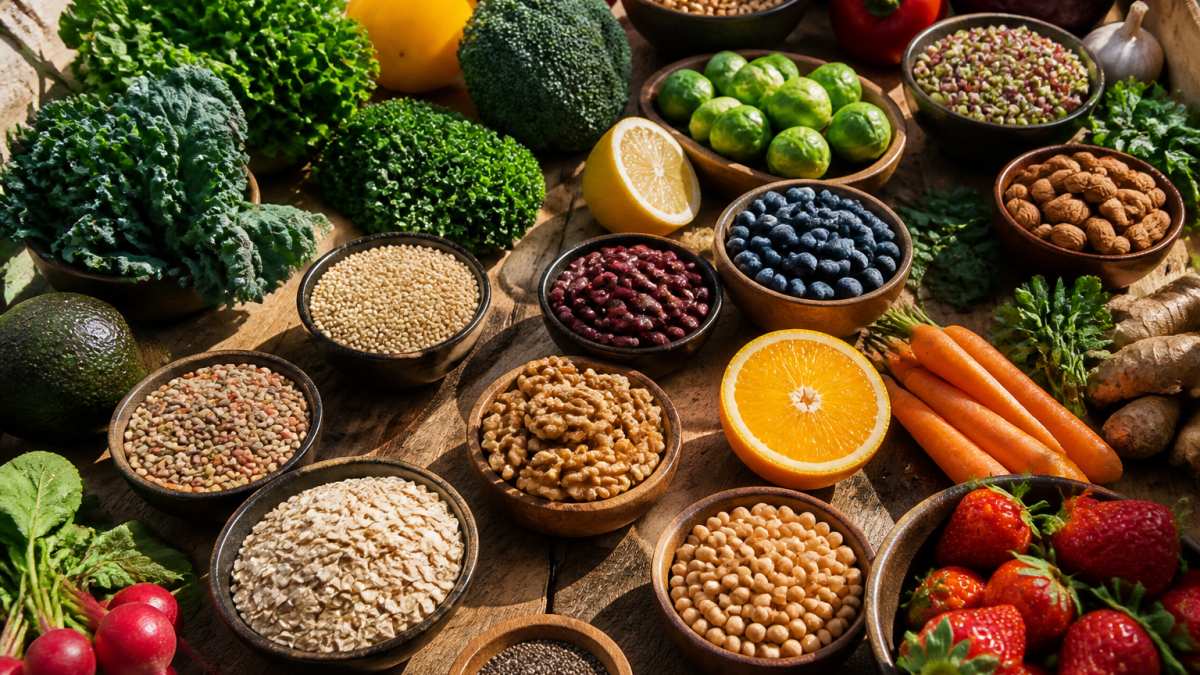
The problem is that modern diets, stress, and lifestyle choices often damage this delicate ecosystem.
Here's what matters: improving gut health naturally isn't about quick fixes or expensive supplements. It's about rebuilding your microbial diversity through food choices, lifestyle habits, and patience.
The foundation of gut health is understanding that your microbiome responds to what you feed it. Beneficial bacteria thrive on fiber, plant diversity, and fermented foods.
Foods for Gut Health: Building a Fiber-Rich Foundation
A fiber-rich diet is the single most important factor in restoring gut health naturally. Fiber feeds your beneficial bacteria, increases microbial diversity, and supports regular digestion.
Most people consume far less fiber than they need. The average person gets around 15 grams daily, but your gut bacteria need 25-35 grams to function optimally.
The good news: adding fiber-rich foods is straightforward. You don't need exotic superfoods or expensive powders. You need whole grains, vegetables, fruits, beans, and legumes, foods humans have eaten for thousands of years.
Whole Grains and Plant Foods
Whole grains are among the best sources of prebiotic fiber, which directly feeds beneficial bacteria.
Start by swapping refined grains for whole grain versions. Replace white rice with brown rice, white bread with whole grain bread, and regular pasta with whole wheat pasta. Each swap increases your fiber intake and provides more food for your beneficial bacteria.
A practical approach: make whole grains 25-30% of your plate at lunch and dinner. Pair them with vegetables and a protein source. This simple structure ensures you're getting consistent fiber intake without overthinking it.
Fruits, Vegetables, Beans, and Legumes
Vegetables and fruits are fiber powerhouses, and they bring something else crucial: polyphenols. These plant compounds are fermented by your gut bacteria into anti-inflammatory molecules. The more variety you eat, the more diverse your microbiome becomes.
Aim for at least five different vegetables and two fruits daily.
Beans and legumes deserve special attention. They're packed with fiber and resistant starch, both of which support gut bacteria growth. Lentils, chickpeas, black beans, and kidney beans are accessible, affordable, and versatile.
Nuts and Healthy Fats
Nuts and seeds provide healthy fats alongside fiber and polyphenols. Almonds, walnuts, flaxseeds, and chia seeds all support a healthy microbiome while reducing inflammation throughout your digestive system.
Include a small handful of nuts or a tablespoon of seeds daily. They work well in smoothies, sprinkled on salads, or eaten as a snack. The combination of healthy fats and fiber helps your body absorb fat-soluble vitamins while feeding your beneficial bacteria.
Prebiotics and Probiotics: Feeding and Supporting Beneficial Bacteria
Prebiotics and probiotics work together to restore gut health naturally. Prebiotics are the food that beneficial bacteria eat; probiotics are the beneficial bacteria themselves. Understanding the difference helps you make smarter food choices.
How Prebiotics Work
Prebiotics are types of fiber that your own digestive system cannot break down (Fiber and prebiotics: mechanisms and health benefits). Instead, they pass through to your colon, where beneficial bacteria ferment them.
Common prebiotic foods include garlic, onions, asparagus, bananas (especially slightly unripe ones), and chicory root. You don't need to hunt for exotic sources. These everyday vegetables and fruits contain the compounds your bacteria need.
The key is consistency. Adding prebiotic foods regularly trains your microbiome to support a stable population of beneficial bacteria. Occasional consumption has minimal impact; daily intake builds lasting change.
Fermented Foods and Probiotics
Fermented foods contain live beneficial bacteria that colonize your gut. Sauerkraut, kimchi, miso, tempeh, and kombucha all provide probiotics alongside enzymes that support digestion.
Start with small amounts, a tablespoon of sauerkraut or a few ounces of kombucha daily. Your digestive system may need time to adjust to the influx of new bacteria.
Fermented foods work best when combined with prebiotic foods. The prebiotics feed the probiotics you're introducing, helping them establish themselves in your microbiome.
Products like Seed Foods' Tocosh Probiotic Superfood offer a concentrated source of beneficial bacteria.

How to Restore Gut Health: A Practical, Gradual Approach
Restoring your microbiome takes time. You cannot rush this process. Attempting to change everything at once typically backfires, your digestive system rebels with bloating, gas, and discomfort, and you abandon the effort.
A phased approach works better. Each phase builds on the previous one, giving your gut time to adapt while steadily improving your microbial diversity.
Phase 1: Assess and Eliminate Problem Foods
Begin by identifying foods that trigger digestive discomfort. Common culprits include highly processed foods, refined sugars, artificial sweeteners, and foods you personally don't digest well.
Keep a simple food journal for one week. Note what you eat and how you feel afterward. Look for patterns.
This isn't about restriction; it's about clarity. You're identifying the foods that actively harm your gut so you can replace them with foods that heal it. Once you've removed the worst offenders, your baseline improves immediately.
Tocosh Probiotic Superfood | Gut Support | Seed Superfoods →
Phase 2: Increase Fiber Gradually
Add one new fiber-rich food every three to five days. Start with a serving of whole grains at one meal, then add a vegetable you don't usually eat, then introduce beans or legumes.
Your gut bacteria need time to adjust to processing more fiber. Rushing this phase causes digestive distress and often leads people to give up. Patience pays off.
By the end of this phase (roughly four to six weeks), you should be eating 25-35 grams of fiber daily across a variety of plant foods. You'll notice improved regularity, less bloating, and more stable energy levels.
Phase 3: Add Fermented Foods and Probiotics
Once your fiber intake is stable and your digestion has settled, introduce fermented foods. Start with one tablespoon of sauerkraut or a small serving of miso soup daily. Increase gradually over two to three weeks.
This is when adding a probiotic-rich food like Tocosh makes sense. Your gut is now prepared to welcome beneficial bacteria because you've already fed them with prebiotic fiber. The combination creates the conditions for lasting microbial balance.
A Gut-Friendly Meal Plan for Better Digestion
A practical meal structure helps you consistently eat foods that improve gut health naturally without overthinking every decision.
Sample Weekly Structure
| Meal | Example | Fiber Source | Probiotic/Prebiotic |
|---|---|---|---|
| Breakfast | Oatmeal with berries and almonds | Oats, berries | Almonds (healthy fats) |
| Lunch | Quinoa bowl with roasted vegetables and chickpeas | Quinoa, chickpeas, vegetables | Garlic, onions (prebiotics) |
| Dinner | Brown rice, grilled fish, steamed broccoli with olive oil | Brown rice, broccoli | Olive oil (healthy fats) |
| Snack | Apple with almond butter | Apple, almonds | Almonds |
This structure ensures you're getting fiber, plant diversity, and prebiotic compounds at every meal. The repetition makes it easy to execute without constant decision-making.
Practical Tips for Success
Batch cook grains and vegetables on Sunday. Having brown rice, quinoa, and roasted vegetables ready makes weekday meals simple.
Keep fermented foods visible. Store sauerkraut, kimchi, or miso in the front of your refrigerator. You're more likely to use them if they're easy to see and grab.
Add one new vegetable per week. Variety is crucial for microbial diversity. Rotating through different vegetables ensures you're feeding different populations of beneficial bacteria.
Drink adequate water. Fiber works best when you're well-hydrated. Aim for half your body weight in ounces daily.
Lifestyle Factors That Support Gut Health Beyond Diet
Diet is foundational, but it's not the whole story. Sleep, stress, exercise, and hydration all directly affect your microbiome.
Sleep, Stress, and Exercise
Sleep deprivation damages your gut barrier and reduces microbial diversity. Aim for seven to nine hours nightly. Your gut bacteria follow a circadian rhythm just like you do. Consistent sleep schedules strengthen your microbiome.
Chronic stress kills beneficial bacteria. Your stress hormones directly suppress the growth of bacteria that support digestion and immunity.
Exercise increases microbial diversity. You don't need intense workouts. Thirty minutes of moderate activity most days (walking, cycling, swimming) supports a healthier gut. Movement also improves digestion and regularity.
Hydration and Regularity
Dehydration concentrates waste in your colon and slows digestion. Drinking enough water supports regular bowel movements, which is essential for removing accumulated toxins and maintaining a healthy microbiome.
Regular bowel movements (ideally once daily) are a sign of good gut health. If you're not moving regularly, increase your fiber and water intake gradually. If problems persist beyond two weeks, consult a healthcare provider.
When to Seek Medical Care: Recognizing Red Flags
Most digestive discomfort improves with dietary changes and time. However, some symptoms warrant professional evaluation.
If you have a history of food intolerances or inflammatory conditions like IBS or Crohn's disease, work with a healthcare provider or registered dietitian before making major dietary changes.
Certain medications, particularly antibiotics and proton pump inhibitors, significantly damage your microbiome. If you're taking these regularly, discuss gut health strategies with your doctor. You may benefit from targeted probiotic support.
Improving your gut health naturally is a gradual process, but the changes are real and measurable. Our Pure Tarwi Protein provides complete plant protein with all nine essential amino acids, making it easy to add gut-supporting nutrition to your meals without the bloating and discomfort of conventional protein powders.

Frequently Asked Questions
What is the quickest way to improve gut health naturally?
There's no overnight fix, but you can see changes in 2-4 weeks by increasing fiber intake gradually, adding fermented foods like Tocosh Probiotic Superfood, and reducing processed foods. Start by adding one fiber-rich meal per day and one serving of probiotics. Consistency matters more than speed; rushing dietary changes can cause bloating and discomfort. Most people notice improved regularity and reduced bloating within 3-4 weeks of sustained effort.
What is the difference between prebiotics and probiotics?
Prebiotics are types of fiber that feed beneficial bacteria already in your gut, think of them as food for your microbes. Probiotics are the live beneficial bacteria themselves, found in fermented foods like Tocosh or sauerkraut. You need both: probiotics introduce helpful microbes, while prebiotics ensure they survive and thrive. Prebiotic foods include oats, bananas, garlic, and onions. Together, they work to increase microbial diversity and support a healthy microbiome.
Can you improve gut health without taking supplements?
Yes. A diet rich in whole grains, vegetables, fruits, beans, legumes, and fermented foods can significantly improve gut health without supplements. Fermented foods like naturally fermented potatoes provide probiotics without a pill. However, if you have severe digestive issues, food intolerances, or limited access to diverse plant foods, targeted products like Pure Tarwi Protein or Tocosh can help fill gaps and provide concentrated beneficial bacteria or complete protein for easier digestion.
How long does it take to improve gut health naturally?
Most people notice initial improvements in regularity and bloating within 2-4 weeks of dietary changes. Meaningful shifts in microbial diversity and digestion typically take 8-12 weeks of consistent effort. Some people with severe dysbiosis or inflammatory conditions may need 3-6 months. Results depend on your starting point, how strictly you follow dietary changes, stress levels, and sleep quality. Patience and consistency are more important than perfection.
What are the symptoms of a weak or unhealthy gut?
Common signs include bloating, irregular bowel movements, persistent gas, food intolerances, fatigue, brain fog, and frequent infections. Some people experience skin issues, joint pain, or mood changes linked to gut imbalance. If symptoms persist beyond 2-3 weeks of dietary changes, or if you have severe pain, blood in stool, or unexplained weight loss, consult a healthcare provider. These can signal conditions requiring professional evaluation beyond dietary intervention.
Is exercise good for gut health?
Yes. Regular physical activity promotes healthy bowel movements, reduces inflammation, and supports microbial diversity. Exercise also lowers stress hormones, which improves digestion. Aim for 150 minutes of moderate activity per week, walking, running, cycling, or strength training all help. However, intense exercise without adequate nutrition and recovery can stress your digestive system. Pair exercise with a gut-friendly diet rich in protein and fiber for best results.
Why does my gut-friendly diet make me bloated?
Bloating usually happens when you increase fiber too quickly. Your gut bacteria need time to adapt to processing more plant foods. Start by adding 5-10 grams of fiber daily over 2-3 weeks rather than jumping to 25+ grams immediately. Drink plenty of water, chew food thoroughly, and eat slowly. If bloating persists with gentle increases, you may have specific food intolerances. Products like Pure Tarwi Protein are easier to digest than many plant proteins, reducing bloating for sensitive stomachs.
Chocho vs Whey Protein: Complete Comparison
Clean Plant Protein No Fillers: 7 Best Options for 2026
Related Posts

Chocho Beans vs Lupini Beans for Nutrition and Taste

Plant Protein Powder vs Whey: Which Fits Your Body

How to Work Ancestral Superfoods Into Your Daily Meals

Chocho Protein Amino Acid Profile: What the Numbers Show

7 Ways to Get Enough Protein on a Vegan Diet

Best Vegan Protein Powder for Smoothies in 2026

Benefits of Ancestral Gut Support Supplements: What Evidence Shows


