

9 Natural Energy Boosters for Pre-Workout Fuel
Last Updated: November 7, 2026
Quick Summary
Natural energy boosters for pre workout include coffee, green tea, bananas, and simple carbohydrate snacks eaten 30 to 90 minutes before training. These foods supply carbohydrates your muscles can use and carry far less caffeine than most pre-workout supplements.
- A standard cup of coffee provides moderate caffeine, best consumed 30 to 60 minutes before training.
- Aim for roughly 20 to 40 grams of carbohydrate in a snack before a workout.
- Green tea contains less caffeine than coffee and pairs it with L-theanine for smoother alertness.
- Avoid large, high-fat or high-fiber meals within 60 minutes of training to prevent cramping.
- Many commercial pre-workout supplements deliver 150 to 300 mg of caffeine per scoop.
Table of Contents
- Natural Energy Boosters That Work Before a Workout
- 1. Coffee and Green Tea for Caffeine Without the Supplement
- 2. Bananas and Other Carbohydrate-Rich Snacks
- 3. Beet Juice and Other Endurance-Friendly Drinks
- 4. Nut Butter, Smoothies and Simple Food Combinations
- What to Eat Before a Workout for Energy, by Timing and Duration
- Natural Pre-Workout Alternatives for Caffeine Sensitivity and Dietary Needs
- Building Your Own Pre-Workout Fuel With Seed Foods
- Frequently Asked Questions
Most pre-workout supplements promise a jolt, but many people find they reach for something simpler: a cup of coffee, a banana, or a spoonful of nut butter. Food-based energy can carry you through a workout without the long ingredient list, and many people find these natural energy boosters simpler to build into their routine. This guide walks through natural options that fit into a normal pre-workout routine, including coffee and green tea, carbohydrate-rich snacks, endurance-friendly drinks, and simple food combinations.
One clear point up front: a 2025 review in Pre-Workout Supplements and Their Effects on Cardiovascular Health found that pre-workout supplement intake improved aerobic and anaerobic energy compared with placebo. Most of those products, however, are built around stimulants. Natural options work differently, and their effects are usually smaller and more gradual.
Natural Energy Boosters That Work Before a Workout
The best natural boosters share two traits: they supply carbohydrates your muscles can use, and they don't push caffeine or added stimulants past what your body tolerates. Timing and portion size matter as much as the food itself. A large meal 20 minutes before lifting can leave you sluggish, while a small snack an hour out can make a real difference.
1. Coffee and Green Tea for Caffeine Without the Supplement
Coffee is the simplest natural pre-workout option most people already own. A standard cup contains a moderate dose of caffeine, which many people find improves alertness and perceived effort. Drink it 30 to 60 minutes before training so the effect peaks when you need it.
Green tea offers a gentler lift. It contains less caffeine than coffee and pairs it with L-theanine, which many people describe as a smoother, less jittery alertness. If you're caffeine-sensitive, green tea or half-caffeinated coffee is a reasonable starting point.
For a plant-based option, MACA | ENERGY & FOCUS SUPERFOOD | 7oz is a root powder that many people add to smoothies or drinks.

2. Bananas and Other Carbohydrate-Rich Snacks
Carbohydrates are your muscles' preferred fuel for higher-intensity work (High-Quality Carbohydrates and Physical Performance: Expert Panel Report). A banana eaten 30 to 60 minutes before training offers quick-digesting carbs and potassium, and it's easy to carry. Other good options include a slice of toast with honey, rice cakes, or a small serving of oatmeal.
Keep portions modest. For most people, a snack of roughly 20 to 40 grams of carbohydrate before a workout is enough without causing discomfort.
3. Beet Juice and Other Endurance-Friendly Drinks
Beet juice has drawn attention for its naturally occurring nitrates, which some research links to improved endurance. Results vary between individuals, so treat it as one tool rather than a guarantee. Drink it about 60 to 90 minutes before exercise.
Coconut water is another option for longer sessions, offering electrolytes and carbohydrates without much fat or fiber.
4. Nut Butter, Smoothies and Simple Food Combinations
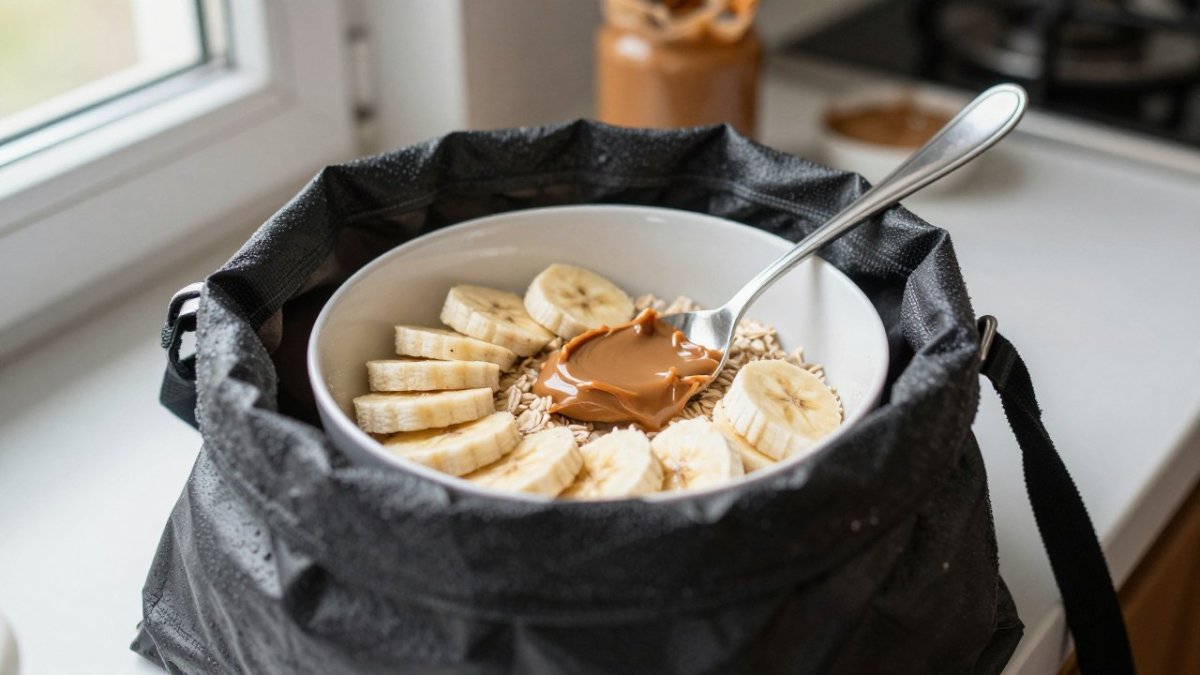
Nut butter adds fat and a little protein, which slows digestion. That makes it better suited to a meal 90 minutes or more before training than to a quick snack. A smoothie built from banana, oats, milk or a plant alternative and a spoonful of almond butter gives you carbohydrates and a steady release of energy.
For a ready-made option, the ALMOND CACAO SUPERFOOD BAR | HEALTHY SNACK | PLANT-BASED | 20G PROTEIN is a portable bite made with cacao chocho protein, dates, almond butter and flaxseeds.

What to Eat Before a Workout for Energy, by Timing and Duration
Timing changes what works, and the most useful way to plan pre-workout fuel is to work backward from the start of your session. The table below gives practical starting points; adjust based on how your stomach responds.
| Time before training | What to eat | Rough carbohydrate target | Best for |
|---|---|---|---|
| 2 to 3 hours | Full meal with protein, complex carbs, and some fat (chicken and rice, oats with milk and fruit, eggs and toast) | 50 to 80 g | Strength training, long cardio, endurance sessions |
| 60 to 90 minutes | Small meal or larger snack (nut butter on toast, smoothie with banana and oats, rice cakes with almond butter) | 30 to 50 g | Moderate cardio, lifting sessions over 45 minutes |
| 30 to 60 minutes | Light, quick-digesting snack (banana, toast with honey, a few dates) | 20 to 40 g | Short-to-moderate workouts, morning sessions |
| Under 30 minutes | Small bite only if hungry (half a banana, a few sips of a smoothie) | 10 to 20 g | Short or low-intensity sessions |
Workout type matters as much as timing. For strength training, a snack with 20 to 40 g of carbohydrate plus a small amount of protein 60 to 90 minutes out supports steady energy across sets without leaving you full. For steady cardio under an hour, a banana or a small smoothie 30 to 60 minutes before is usually enough. For endurance sessions lasting 90 minutes or more, a fuller carbohydrate meal 2 to 3 hours out, plus a top-off snack 30 to 60 minutes before, is a common pattern. Short high-intensity sessions of 20 to 30 minutes rarely need more than a light snack, and some people train fasted without issue.
Watch out: eating a large, high-fat or high-fiber meal inside the 60-minute window is a common cause of cramping and sluggishness, so save nut butter, avocado, and heavy whole grains for the 90-minute-plus window.
Hydration belongs in the same plan.
Natural Pre-Workout Alternatives for Caffeine Sensitivity and Dietary Needs
If caffeine makes you jittery, disrupts your sleep, or upsets your stomach, you have options. The goal is to match the dose and the source to how your body responds, not to avoid caffeine entirely if you tolerate it well.
Start by knowing roughly how much caffeine you are getting. An 8-ounce cup of brewed coffee typically contains about 95 mg of caffeine, black tea about 47 mg, green tea about 28 mg, and decaf coffee about 2 to 5 mg. For reference, many commercial pre-workout supplements deliver 150 to 300 mg per scoop. If you are sensitive, a practical approach is to cap your pre-workout caffeine at roughly 100 mg, or about one small cup of coffee, and see how you feel.
Lower-caffeine and caffeine-free choices include:
- Half-caffeinated coffee or a half-caf blend, which lands around 45 to 50 mg per cup.
- Green tea or matcha, which pair lower caffeine with L-theanine and tend to feel smoother for many people.
- Decaf coffee or herbal teas such as peppermint or ginger, which provide a warm ritual and hydration without stimulants.
- Food-based fuel: a banana, dates, rice cakes with honey, or a small smoothie can supply quick carbohydrate energy without any caffeine.
Sleep matters as much as jitters.
Plant-based eaters can build pre-workout fuel from fruit, oats, rice cakes, and plant-based smoothies. Seed butters such as sunflower seed butter are an option for those avoiding nut butters.
For a non-stimulant option, GREEN SPIRULINA | NATURAL DETOX & ENERGY POWDER | 3oz is a powder many people add to a morning drink.

Caffeine per serving: coffee, black tea, green tea and pre-workout scoop
Building Your Own Pre-Workout Fuel With Seed Foods
Seed-based ingredients make a flexible base for homemade pre-workout fuel. Stir Pure Tarwi Protein | 25G Plant Protein | 1.1 LBS into a banana smoothie for a plant-based protein boost, or add a spoonful of Pure Cacao | 6.35OZ for a chocolate flavor.
Start with one or two ingredients and track how you feel during training. Small adjustments usually reveal the combination that works best for your body.
Frequently Asked Questions
What are the best natural energy boosters before a workout?
Coffee, green tea, bananas, oats, beet juice and nut butter are among the most practical natural options. Coffee and green tea supply caffeine, while bananas and oats provide carbohydrates. Choose one or two options you tolerate well and test them during training before race or competition day.
How long before a workout should I eat for energy?
Most people do well eating a balanced meal 2 to 3 hours before training, and a smaller snack of 30 to 60 minutes before. A larger meal needs more time to digest, so a banana with a spoonful of nut butter works better as a last-minute option than a full bowl of oatmeal. Adjust these windows based on how your stomach responds, since digestive sensitivity differs widely between people.
Can coffee be a natural pre-workout?
Yes. Coffee contains caffeine, which many people find improves alertness and perceived effort during exercise.
What can I use instead of pre-workout supplements?
A simple homemade mix works well: a banana, a spoonful of nut butter, and a cup of coffee or green tea about an hour before training. Plant-based options like Seed Foods Pure Tarwi Protein can be blended into a smoothie for added protein with a neutral flavor.

How Sleep Affects Muscle Protein Synthesis After Training
How to Make a Protein Drink for Muscle Gain
Related Posts

Plant Protein Powder vs Whey: Which Fits Your Body

How to Work Ancestral Superfoods Into Your Daily Meals

Chocho Protein Amino Acid Profile: What the Numbers Show

7 Ways to Get Enough Protein on a Vegan Diet

Best Vegan Protein Powder for Smoothies in 2026

Benefits of Ancestral Gut Support Supplements: What Evidence Shows

Are Ancestral Probiotic Superfoods Good for Gut Health?


