

Natural Anti-Inflammatory Protein Sources
Table of Contents
- What Makes a Protein Source Anti-Inflammatory
- Plant-Based Proteins That Fight Systemic Inflammation
- Fatty Fish and Omega-3 Rich Protein Sources
- Protein Sources for Sensitive Stomachs
- How Much Protein for Muscle Recovery
- Foods That Trigger Inflammation to Avoid
- Building an Anti-Inflammatory Protein Plan
- Frequently Asked Questions
Last Updated: September 28, 2026
What Makes a Protein Source Anti-Inflammatory
Natural anti-inflammatory protein sources work by reducing systemic inflammation and supporting cellular health through specific amino acids, omega-3 fatty acids, and antioxidants. The difference between inflammatory and anti-inflammatory proteins comes down to how your body processes them and what nutrients accompany the protein itself.
When you consume protein, your digestive system breaks it into amino acids. Some proteins trigger an inflammatory response, they're harder to digest, contain pro-inflammatory compounds, or lack the micronutrients your body needs to manage oxidative stress. Anti-inflammatory proteins do the opposite: they're easily absorbed, rich in phytonutrients, and support your body's natural defense against chronic inflammation.
The best anti-inflammatory protein sources share three key traits. First, they contain complete amino acid profiles or complement other foods to create one. Second, they include fiber, magnesium, and unsaturated fats that reduce inflammation markers like C-reactive protein. Third, they're easy to digest, critical if you have a sensitive stomach.
At Seed Foods, we've focused on these principles when developing our protein products. The chocho plant, an ancient Andean lupin, delivers all nine essential amino acids in a single serving while remaining naturally alkaline and easy on the digestive system. This matters because many conventional protein sources, whether animal-based or plant-based, create bloating and discomfort that actually increases inflammation.
Plant-Based Proteins That Fight Systemic Inflammation
Plant-based anti-inflammatory protein sources deliver complete amino acid profiles while offering additional anti-inflammatory benefits that animal proteins cannot match. Legumes, nuts, seeds, and ancient grains contain polyphenols and phytonutrients that actively combat oxidative stress at the cellular level.
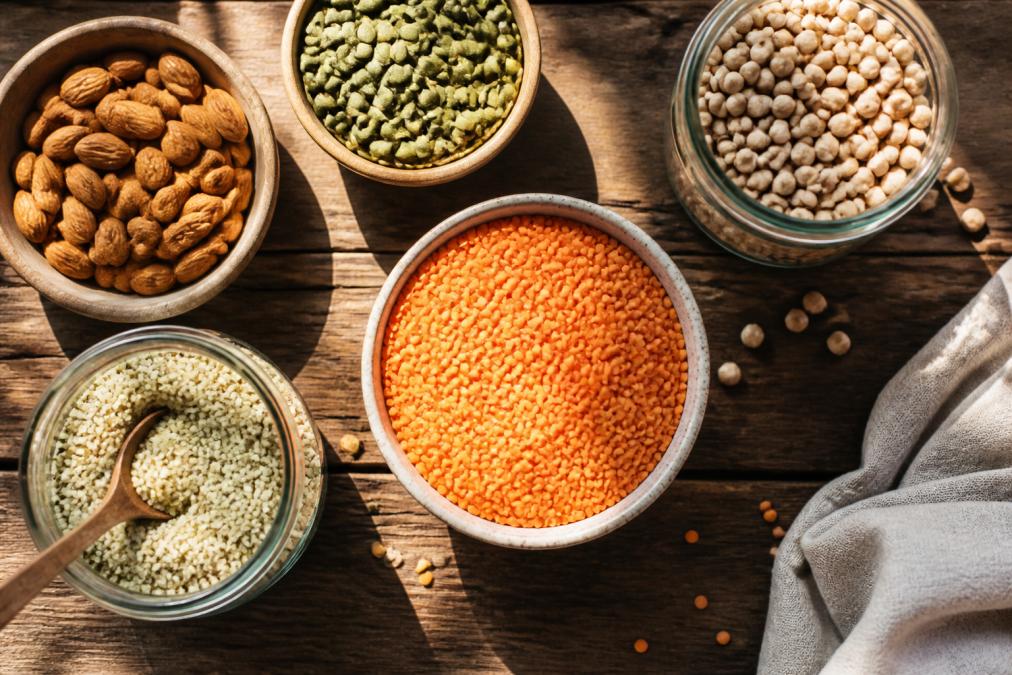
Legumes stand out as the most nutrient-dense plant-based protein option. Lentils, chickpeas, and beans contain high fiber content and magnesium, both critical for reducing inflammation.
Nuts and seeds deliver protein alongside omega-3 fatty acids and unsaturated fats that lower LDL cholesterol and reduce inflammation markers.
Ancient grains like quinoa and amaranth provide complete proteins with all nine essential amino acids.
Chocho, the base of our Pure Tarwi and Cacao Tarwi Protein products, represents one of the most complete plant-based proteins available. This ancient Andean lupin contains all nine essential amino acids and substantial fiber, and is naturally alkaline. Unlike soy and dairy-based proteins, chocho is designed for sensitive stomachs to prevent bloating and discomfort, making it ideal for those seeking anti-inflammatory protein sources.

Fatty Fish and Omega-3 Rich Protein Sources
Fatty fish deliver the most bioavailable form of omega-3 fatty acids alongside high-quality complete protein. EPA and DHA, the long-chain omega-3s found in fish, directly reduce inflammation markers and support cardiovascular and neurological health (Dietary omega-3 fatty acids aid in the modulation of inflammation and metabolic health).
For those following a plant-based diet, algae supplements provide direct EPA and DHA without animal products. Spirulina and chlorella contain plant-based omega-3s, though in lower concentrations than fish. Our Blue Spirulina product harnesses phycocyanin, a powerful antioxidant that supports cellular protection and reduces oxidative stress, complementing protein intake with additional anti-inflammatory benefits.

Protein Sources for Sensitive Stomachs
Many people discover that conventional protein powders, whether whey, soy, or pea-based, cause bloating, gas, and digestive discomfort within an hour of consumption.
Chocho-based proteins solve this problem because they're naturally alkaline and easy to digest, preventing the bloating and discomfort often associated with conventional supplements. I discovered chocho in Peru during a time when my body was completely depleted. Struggling with pancreatic issues, There was not much food that I could eat. I weighed just 80 pounds and had almost no energy. Chocho wasn’t a supplement, it was food. By drinking it once or twice a day, I slowly regained strength and nourishment without overwhelming my body. Chocho didn’t just feed me. It brought me back to life.
When selecting anti-inflammatory protein sources for a sensitive stomach, avoid products with added gums, thickeners, or artificial sweeteners. Choose whole-food sources when possible: cooked legumes, nuts, seeds, and ancient grains. If using protein powder, select options with minimal ingredients, ideally just the protein source itself. Our Pure Tarwi contains exactly one ingredient, making it ideal for anyone trying to identify what triggers their sensitivity.
PURE TARWI | PLANT-BASED | 25G PROTEIN →
How Much Protein for Muscle Recovery
Muscle recovery requires adequate amino acid availability to support protein synthesis, the process your body uses to repair and build muscle tissue (Checking your browser). The amount you need depends on your body weight, training intensity, and recovery goals.
When calculating your protein needs for muscle recovery, prioritize sources with all nine essential amino acids. Incomplete proteins require strategic combining, eating rice with beans, for example, to create complete amino acid profiles. This works but requires planning. Complete protein sources like chocho, fish, eggs, and poultry simplify the process.
Our Cacao Tarwi Protein delivers 20 grams of complete protein per serving, meeting the minimum threshold for post-workout recovery. For athletes requiring higher total daily intake, combining multiple servings with whole-food sources ensures you hit your targets while maintaining the anti-inflammatory benefits that support long-term training consistency.

| Protein Source | Grams per Serving | Complete Protein | Ease of Digestion | Best For |
|---|---|---|---|---|
| Chocho-based powder | 20-25g | Yes | High | Sensitive stomachs, plant-based athletes |
| Fatty fish | 25-30g | Yes | High | Omega-3 intake, muscle recovery |
| Legumes (cooked) | 15-18g | Partial | Moderate | Budget-conscious, whole-food approach |
| Nuts and seeds | 6-8g | Partial | High | Snacking, nutrient density |
Foods That Trigger Inflammation to Avoid
Certain protein sources and food pairings actively increase systemic inflammation, counteracting the benefits of anti-inflammatory choices. Understanding what to avoid is as important as knowing what to eat.
Building an Anti-Inflammatory Protein Plan
Creating a sustainable anti-inflammatory protein plan requires understanding your baseline protein needs, identifying which sources your body tolerates well, and building meals around complete proteins and complementary anti-inflammatory foods.
Next, identify 3-5 protein sources you genuinely enjoy and that your body tolerates well. If conventional plant-based proteins cause bloating, chocho-based options like our Tarwi Protein products eliminate that barrier. If you include fish, prioritize fatty varieties 2-3 times weekly. Include legumes, nuts, and seeds as secondary sources.
Build meals using this template: complete protein source + fiber-rich carbohydrate + healthy fat + antioxidant-rich vegetables. A salmon fillet with quinoa, olive oil, and roasted broccoli hits all four categories. A chocho protein smoothie with oats, almond butter, and berries does the same.
For convenience, keep grab-and-go options on hand. Our Almond Cacao Superfood Bar and Sunflower Vanilla Protein Bar deliver 20 grams of complete protein with minimal ingredients, supporting your anti-inflammatory protein sources without added sugars or problematic additives. These bars work as post-workout nutrition or a quick meal replacement when planning falls short.
Building an anti-inflammatory protein plan requires choosing sources your body can actually use. Seed Foods' chocho-based proteins offer a unique, plant-based approach to wellness. With complete amino acid profiles, natural alkalinity, and zero gums or fillers, our Pure Tarwi and Cacao Tarwi Protein products support energy, immunity, hormones, and gut health through easily digestible, real nourishment. Experience a seamless path to revitalized well-being and sustained vitality with food that truly fits your life.
Frequently Asked Questions
What is the most anti-inflammatory protein?
Plant-based proteins with complete amino acid profiles rank highest for anti-inflammatory benefits. Chocho (Andean lupin) delivers all nine essential amino acids while being naturally alkaline and easy to digest, making it an exceptional choice. Fatty fish rich in omega-3 fatty acids also fight systemic inflammation effectively. The best option depends on your digestive tolerance and dietary preferences.
How much protein is needed for muscle recovery?
A single serving of chocho protein powder delivers 25 grams of complete plant protein, supporting protein synthesis. Distribute protein intake throughout the day for optimal absorption and recovery.
Are plant-based proteins better for reducing inflammation than animal proteins?
Complete plant proteins like chocho contain fiber and phytonutrients that support gut health and reduce oxidative stress. However, fatty fish provide omega-3 fatty acids with powerful anti-inflammatory effects. The ideal approach combines both sources based on your digestive tolerance and health goals.
Why do some protein sources cause bloating when others don't?
Bloating occurs when proteins are difficult to digest or irritate sensitive stomachs. Chocho is easy to digest, preventing the bloating common with conventional protein powders. If you experience bloating, choose proteins with simple ingredient lists and minimal processing, qualities that support both digestion and nutrient absorption.
Related Posts

Is Chocho a Complete Protein Source?

Why Plant Protein Causes Bloating: A Guide to Digestion

Best Plant Protein Without Gums: Clean Choices

Alkaline Diet Foods for Inflammation

Buy Clean Chocho Protein Powder: A 2026 Guide

Best Protein for Sensitive Stomachs: 2026 Guide


