

Is Chocho a Complete Protein Source?
Table of Contents
- What Is Chocho and Why It Matters for Protein
- Is Chocho a Complete Protein Source?
- Chocho Protein Benefits Beyond Complete Amino Acids
- Plant-Based Protein for Sensitive Stomachs
- How to Buy Clean Chocho Protein Powder
- Chocho Protein for Athletes and Fitness
- Frequently Asked Questions
Last Updated: September 27, 2026
What Is Chocho and Why It Matters for Protein
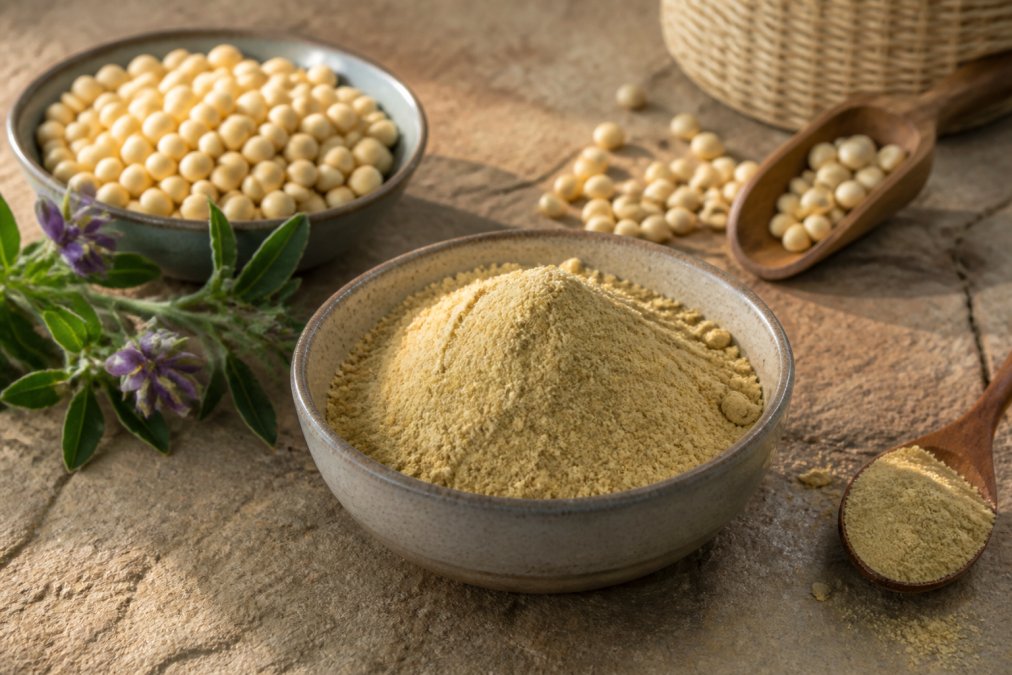
Chocho, also known as Andean lupin or tarwi (Lupinus mutabilis), is an ancient legume cultivated for thousands of years in the Peruvian highlands. It's nutritionally dense and genuinely digestible, two qualities most modern protein sources struggle to combine.
Chocho contains all nine essential amino acids your body cannot manufacture, making it a complete protein source. Most plant-based options either lack amino acids or contain anti-nutrients that trigger bloating, chocho sidesteps both problems.
Chocho addresses a real problem: people switching to plant-based protein experience bloating, discomfort, and energy crashes. Chocho protein avoids these issues because it's fundamentally different from soy isolates, pea protein concentrates, and other heavily processed alternatives.
A single serving delivers fiber, omega fatty acids, and minerals that support metabolic health and sustained energy, real food that happens to be high in protein.
Is Chocho a Complete Protein Source?
Yes. Chocho is a complete protein source because it contains all nine essential amino acids. Most other plant-based proteins lack one or more amino acids necessary for protein synthesis and muscle recovery.
The nine essential amino acids are: histidine, isoleucine, leucine, lysine, methionine, phenylalanine, threonine, tryptophan, and valine. Your body needs all nine to build tissue, produce hormones, support immunity, and maintain energy. If even one is missing, your body cannot efficiently use the protein you consume.
The Nine Essential Amino Acids in Chocho
Chocho delivers a balanced amino acid profile without requiring you to combine it with other foods to achieve completeness, unlike rice-and-beans combinations.
The Protein Digestibility Corrected Amino Acid Score (PDCAAS) measures how effectively your body absorbs amino acids.
Leucine, critical for muscle protein synthesis, appears in meaningful quantities in chocho. This matters for athletes and anyone strength training.
How Chocho Compares to Other Plant Proteins
Pea protein lacks methionine; brown rice protein lacks lysine. Hemp seed protein is complete but has a grainy texture many find unpalatable.
Soy protein is complete, but 1-3% of the population has a soy allergy, and many others experience digestive sensitivity. Soy also contains compounds that interfere with nutrient absorption in sensitive individuals.
Quinoa contains all nine amino acids but delivers only 8 grams of protein per cooked cup, while chocho protein powder delivers 20-25 grams per serving.
Chocho combines completeness with digestibility and low anti-nutrient content.
Chocho Protein Benefits Beyond Complete Amino Acids
A complete protein source is table stakes. What separates chocho from the field is everything else it brings to the table.
Digestibility and Gut Health
Chocho is digestible in ways most plant proteins aren't. Digestibility determines whether your body can extract and use the nutrients you consume.
Chocho's protein structure allows efficient breakdown by digestive enzymes, reducing bloating and discomfort. People with pancreatic issues or compromised digestion often tolerate chocho when other proteins trigger discomfort.
Chocho supports a healthy gut microbiome through prebiotic fiber.
Fiber, Omegas, and Micronutrients
One serving of chocho protein powder delivers meaningful amounts of dietary fiber, supporting digestive regularity and metabolic health. Unlike many isolated protein powders that strip away supporting nutrients, chocho retains them.
The omega fatty acid content, both omega-3 and omega-6 in balanced proportions, supports cardiovascular health and contributes to hormonal balance.
Mineral density distinguishes chocho further. It contains calcium, iron, magnesium, and zinc in bioavailable forms your body can actually absorb and use.
Plant-Based Protein for Sensitive Stomachs
The central objection most people raise about plant-based protein is legitimate: conventional options cause bloating, gas, and digestive distress. This isn't a character flaw in the person consuming them, it's a real property of how those proteins are processed and structured.
Why Chocho Doesn't Cause Bloating
Chocho avoids the bloating problem because it lacks the compounds that trigger it. Most plant proteins contain oligosaccharides (complex sugars your small intestine cannot break down). When these reach your colon undigested, your microbiome ferments them, producing gas and discomfort.
Chocho is naturally low in oligosaccharides. Your digestive system processes it without generating the fermentation byproducts that cause bloating. This isn't theoretical, people with diagnosed digestive sensitivities report tolerating chocho when they cannot tolerate other plant proteins.
PURE TARWI | PLANT-BASED | 25G PROTEIN →
The naturally alkaline nature of chocho also supports digestive comfort. Acidic protein sources can trigger inflammation in sensitive stomachs.
How to Buy Clean Chocho Protein Powder
Not all chocho products are equal. The difference between a clean, single-ingredient chocho powder and a formulated product with added ingredients, gums, and fillers is significant, especially for people with sensitive digestion. Understanding what to look for requires knowing both what's in the powder and how it was processed.

Processing Method and Quality Markers
Look for products that specify their processing method. The highest-quality chocho powders use one of two approaches:
Cold-processed or low-temperature drying preserves amino acid bioavailability and retains heat-sensitive nutrients like B vitamins. Products processed below 120°F maintain the integrity of the protein structure, making it more digestible. This method is more expensive, so it's typically found in premium products.
Sprouted and fermented chocho undergoes the traditional Andean preparation process before drying. This method reduces anti-nutrient content more effectively than simple soaking and drying alone. Look for language like "sprouted chocho" or "fermented tarwi" on the label, these indicate additional processing steps that improve digestibility.
Avoid products that use high-heat processing (above 160°F) unless the manufacturer specifies it was necessary for safety reasons. High heat can denature some amino acids and reduce micronutrient availability.
Ingredient List and Purity
The simplest guideline: one ingredient is ideal. That's chocho (or tarwi, or Lupinus mutabilis, these names refer to the same plant). No added sweeteners, no gums, no fillers, no soy lecithin. The simpler the ingredient list, the more control you have over what enters your system.
If the product includes additional ingredients, evaluate them carefully:
- Gums (xanthan, guar, acacia): These improve texture but can trigger bloating in sensitive individuals. If digestive comfort is your priority, avoid them.
- Sweeteners (stevia, monk fruit, sugar alcohols): Natural doesn't mean neutral. Sugar alcohols like erythritol and xylitol can cause digestive distress. Stevia and monk fruit are generally well-tolerated but add cost and complexity.
- Flavoring agents: Single-ingredient cacao or vanilla are acceptable; complex flavor blends often contain additives that compromise purity.
- Soy lecithin: A common emulsifier that creates problems for people with soy sensitivity. Avoid if you have any soy allergy history.
Allergen Considerations and Cross-Reactivity
This is where most chocho guides fall short: chocho is a legume, and legume allergies create cross-reactivity concerns that deserve explicit attention.
If you have a diagnosed peanut allergy, chocho may trigger a reaction. Peanuts and chocho are both legumes, and some people with peanut allergies experience cross-reactivity with other legumes. The severity varies widely, some people tolerate chocho without issue, while others experience oral allergy syndrome or more serious reactions.
If you have a soy allergy, chocho is generally safe (they're different legumes), but verify the product was not processed on shared equipment with soy-containing products. Cross-contamination during manufacturing can introduce soy proteins into chocho powder.
If you have a tree nut allergy, chocho is safe, it's a legume, not a tree nut.
If you have a diagnosed legume allergy (affecting multiple legumes like peas, lentils, and beans), chocho will likely trigger a reaction. Do not consume it without consulting your allergist first.
For people without diagnosed allergies but with a family history of legume sensitivity, start with a small serving (5-10 grams) and observe for 24-48 hours before increasing intake. This conservative approach allows you to identify sensitivity without overexposure.
Third-Party Testing and Transparency
Look for products that have been tested by a third party for heavy metals, microbial contamination, and amino acid profile verification. This testing is expensive, so it's not universal, but it's a marker of manufacturer commitment to quality and safety.
The label should clearly state the complete amino acid profile, ideally listing all nine essential amino acids with their quantities per serving. Vague claims about "complete protein" without specific amino acid data are a red flag. Transparency about what's in the product reflects confidence in the product itself.
Storage and Shelf Life
Chocho protein powder should be stored in an airtight container away from heat and moisture. Proper storage maintains amino acid integrity and prevents oxidation. Most products remain stable for 12-18 months when stored correctly, though the sooner you use it after opening, the better the nutrient retention.
If you purchase in bulk, divide the powder into smaller containers and keep the main supply sealed and cool.
Chocho Protein for Athletes and Fitness
Athletes have specific protein requirements. Post-workout recovery depends on adequate amino acid availability within a narrow window after training. The complete amino acid profile of chocho, combined with its digestibility, makes it particularly valuable for fitness-focused individuals.
| Aspect | Benefit for Athletes |
|---|---|
| Amino Acid Profile | All 9 essential amino acids support muscle protein synthesis |
| Digestibility | Rapid absorption supports post-workout recovery window |
| Anti-Inflammatory Properties | Naturally reduces exercise-induced inflammation |
| Sustained Energy | Fiber and nutrient density prevent energy crashes |
| Micronutrient Density | Supports electrolyte balance and muscle function |
Frequently Asked Questions
Is chocho a complete protein source with all nine essential amino acids?
Yes, chocho is a complete protein source containing all nine essential amino acids your body cannot produce. Each serving delivers 25 grams of protein with a balanced amino acid profile that supports muscle recovery, energy production, and overall metabolic health. This makes chocho unique among plant-based proteins, particularly for those avoiding soy and dairy.
Why does chocho protein not cause bloating like other plant-based proteins?
Its high fiber content supports gut microbiome health rather than overwhelming it. Chocho reduces gas production and the bloating that follows other plant proteins within an hour of consumption.
How do chocho protein benefits compare to whey or soy protein?
Chocho delivers the same complete amino acid profile as whey without dairy, and matches soy's protein density without allergen concerns. Chocho is naturally alkaline and anti-inflammatory, supporting sustained energy and hormonal balance.
What makes chocho protein a good choice for athletes?
Chocho provides 25 grams of complete protein per serving with all amino acids needed for muscle synthesis and recovery. Its nutrient density includes omega fatty acids, fiber, and minerals that support metabolic health and sustained performance. The easy digestibility means faster nutrient absorption post-workout.
Related Posts

Why Plant Protein Causes Bloating: A Guide to Digestion

Best Plant Protein Without Gums: Clean Choices

Alkaline Diet Foods for Inflammation

Buy Clean Chocho Protein Powder: A 2026 Guide

Best Protein for Sensitive Stomachs: 2026 Guide

Soy Free Dairy Free Protein Powder: 2026 Buyer's Guide


