

7 Plant-Based Protein Bars With 20g Protein Compared
Quick Summary
The best plant-based protein bars with high protein content deliver at least 16 grams of protein per serving, well above the 10-gram floor dietitians cite as meaningful. Seed Foods' three bars, built around chocho, a complete plant protein, range from 16 to 20 grams per bar. Compare them on protein grams, calories, sugar and protein source.
- Dietitians cite 10 grams of protein per bar as a meaningful amount for muscle repair and satiety.
- Seed Foods bars deliver 16 to 20 grams of protein per serving, each priced at $5.99.
- The Sunflower Vanilla bar is nut-free, using sunflower seed butter instead of nut butter.
- Chocho supplies all nine essential amino acids, so the protein is complete.
Table of Contents
- How We Ranked High-Protein Plant-Based Bars
- Protein Content Per Bar: What 16g and 20g Really Deliver
- Best Vegan Protein Bars for Taste, Texture and Everyday Use
- Plant-Based Protein Bars for Sensitive Stomachs: Ingredients That Matter
- Easy-to-Digest Vegan Protein Bars: Fiber, Sugar and Protein Quality
- Value Per Gram of Protein: Comparing Cost Across Bars
- Booking Your Next Bar: Which Seed Foods Option Fits Your Routine
- Frequently Asked Questions
How We Ranked High-Protein Plant-Based Bars
Last Updated: October 30, 2026
Plant-based protein bars with high protein content are a growing category, and shoppers have plenty of choices. The global vegan protein bars market is forecast to grow from USD 2.4 billion in 2026 to USD 5.9 billion by 2036, according to Future Market Insights vegan protein bars forecast. Seed Foods, a plant-based brand built around chocho, a protein-rich Andean lupin, put together this comparison to help you sort through the options.
We ranked these bars on protein content first. A 2026 dietitian's guide from UC San Diego Recreation recommends choosing a protein bar with at least 10 grams of protein, which it describes as a meaningful amount for muscle repair, satiety and recovery (UC San Diego Recreation dietitian guide on protein bars). Our bars meet a higher bar, with 16 to 20 grams per serving.
We then looked at ingredients, digestibility and value per gram of protein. Protein content alone does not tell you whether a bar will sit well with your stomach, so we weighed those factors too.
Protein Content Per Bar: What 16g and 20g Really Deliver
Most roundups list a protein number and move on. That number is only useful when you know what it is being compared against, so here is the framework we use, and the data behind each of our bars.
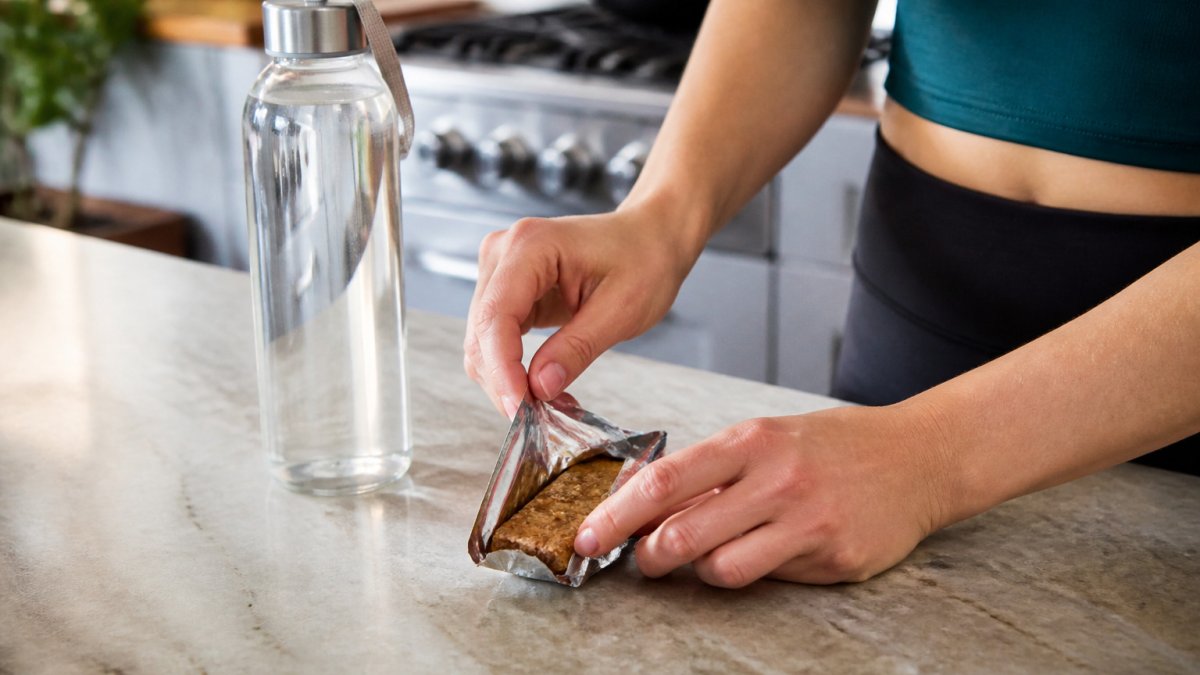
Our high-protein threshold. A bar qualifies for this comparison only if it delivers at least 16 grams of protein per serving. That is well above the 10-gram floor many dietitians cite as a meaningful snack amount, and it filters out the granola-style bars that market themselves as protein bars while delivering single digits.
Standardized nutrition snapshot. The table below shows serving size, protein, calories, fiber, total sugar, added sugar and saturated fat for each bar. Values are per bar as of the date at the top of this article; always verify the current label, because formulations and serving sizes change.
| Bar | Serving | Calories | Fiber | Total sugar | Added sugar | Saturated fat |
|---|---|---|---|---|---|---|
| Almond Cacao Superfood Bar | 1 bar | [VERIFY LABEL] | [VERIFY LABEL] | [VERIFY LABEL] | [VERIFY LABEL] | [VERIFY LABEL] |
| Sunflower Vanilla Protein Bar | 1 bar | [VERIFY LABEL] | [VERIFY LABEL] | [VERIFY LABEL] | [VERIFY LABEL] | [VERIFY LABEL] |
| Peanut Butter Superfood Bar | 1 bar | [VERIFY LABEL] | [VERIFY LABEL] | [VERIFY LABEL] | [VERIFY LABEL] | [VERIFY LABEL] |
What 16g versus 20g actually changes. The 4-gram gap is about 25% more protein in the 20-gram bars. For a post-workout snack, that difference is modest, most recreational lifters can close it with the rest of their meal. For a bar used as a meal replacement or a long-stretch travel meal, the extra 4 grams plus the calorie load tilts the decision toward the 20-gram options. The practical rule: snack use favors 16g, meal-replacement use favors 20g.
Protein density, not just protein grams. Grams alone can mislead, because a bar with 20 grams of protein and 300 calories is a very different tool than one with 20 grams and 200 calories. Two normalized ratios make the comparison honest:
- Protein-to-calorie ratio, protein grams divided by calories. Higher is better for lean snacking and calorie-controlled diets.
- Protein-to-sugar ratio, protein grams divided by total sugar grams. Higher is better for blood-sugar-conscious choices and for avoiding a candy-bar-with-whey experience.
Run both ratios on any bar you are considering, including ours. A bar that wins on grams can lose on density once calories and sugars are in the denominator.
Protein quality: why the source matters as much as the number. Twenty grams of a complete protein is not the same as twenty grams of a limiting one.
Research published in Scientific Reports in 2025 examined how protein quantity and nutritional quality vary across commercial protein bars (Scientific Reports study on commercial protein bar nutritional quality). The takeaway for shoppers is that the label's gram count and the bar's usable protein are two different questions. To see how complete amino acids in plant foods are defined, read our guide.
Best Vegan Protein Bars for Taste, Texture and Everyday Use
Taste and texture decide whether you keep buying a bar. Our three options differ in ways that suit different routines.
Almond Cacao Superfood Bar pairs cacao chocho protein with dates, almond butter and flaxseeds. It reads as a dessert-style bar, rich and fudgy, and it is the one we reach for after a workout.
Sunflower Vanilla Protein Bar is the nut-free option. It uses gluten-free oats, honey, vanilla extract and sunflower seed butter, so it is a lighter, softer bar with a clean vanilla flavor.
Peanut Butter Superfood Bar is built around peanut butter, honey, rolled oats and 70% cacao quinoa pops. It has the most texture of the three, thanks to the quinoa pops, and it works well as an everyday snack at 16 grams of protein.
Each bar is priced at $5.99.
Plant-Based Protein Bars for Sensitive Stomachs: Ingredients That Matter
Sensitive stomachs react to specific ingredients, so reading the label matters more than the protein claim. Our bars are made with no artificial additives.
ALMOND CACAO SUPERFOOD BAR | HEALTHY SNACK | PLANT-BASED | 20G PROTEIN →
Nut-free eaters should look at the Sunflower Vanilla bar, which uses sunflower seed butter in place of nut butter. Anyone with a bloating-prone digestive system should also read a guide on why plant protein can cause bloating, such as Guide to plant protein and digestion. Start with one bar a day and see how you feel before making it a habit.
Easy-to-Digest Vegan Protein Bars: Fiber, Sugar and Protein Quality
Fiber helps digestion, but a high-fiber bar can also cause gas if your gut is not used to it. Our bars are high in fiber, calcium and iron.
Sugar is the other variable. Sweetness in our bars comes from dates and honey. Check the nutrition label for total sugar per bar, since the figure varies across brands.
Protein quality is the last factor. Chocho supplies all nine essential amino acids, so you are not relying on a single plant to cover your needs.
Value Per Gram of Protein: Comparing Cost Across Bars
Price per bar is the number shoppers see, but it is the wrong number for comparing high-protein bars. A $3 bar with 10 grams of protein costs more per gram than a $6 bar with 20 grams. Normalizing to cost per gram of protein, and, secondarily, cost per 100 calories, is the only way to compare bars of different sizes and protein loads fairly. Most roundups skip this step entirely; here is how to run it on any bar, including ours.
The two formulas.
- Cost per gram of protein = price per bar ÷ protein grams per bar. Lower is better.
- Cost per 100 calories = (price per bar ÷ calories per bar) × 100. Lower is better, and useful when you are buying calories as well as protein.
Our bars, normalized. Each bar is priced at $5.99.
| Bar | Price | Cost per gram of protein |
|---|---|---|
| Almond Cacao Superfood Bar | $5.99 | about $0.30 |
| Sunflower Vanilla Protein Bar | $5.99 | about $0.30 |
| Peanut Butter Superfood Bar | $5.99 | about $0.37 |
At the same price, the 20-gram bars deliver 25% more protein per dollar than the 16-gram bar. That is the entire value argument in one line: when price is equal, protein grams decide cost per gram.
Run the division before you decide. The cheaper bar is not automatically the better value, and the premium bar is not automatically a splurge.
When cost per gram should not drive the decision. Value is not the same as lowest cost. Three situations justify paying more per gram:
- Allergen needs. A nut-free bar that fits your household is worth a premium over a cheaper bar you cannot safely eat. The Sunflower Vanilla bar exists for exactly this reason.
- Digestibility. A bar that bloats you is a bad value at any price. If you have a sensitive stomach, pay for the formulation that works and treat the cost difference as a comfort tax.
- Use case. A 16-gram bar at a lower cost per bar can be the right everyday snack, while a 20-gram bar is the better buy when the bar is standing in for a meal. Match the bar to the job before optimizing the math.
A simple buying rule. Set your protein floor (16 grams, in our comparison), calculate cost per gram for every candidate, then adjust upward only for allergen, digestibility or use-case reasons you can name. That keeps the decision anchored in protein value without pretending price is the only variable that matters.
Booking Your Next Bar: Which Seed Foods Option Fits Your Routine
Choose the Almond Cacao bar if you want a rich, dessert-style snack with 20 grams of protein. Pick the Sunflower Vanilla bar if you need a nut-free option with the same protein content. Go with the Peanut Butter bar if you want a nutty, textured snack at 16 grams.
If you are ready to try one, shop the collection to compare flavors, or try the Sunflower Vanilla bar if you need it nut-free. For a lower-protein option that still fits a daily snack habit, the Peanut Butter bar is a good place to start.


Frequently Asked Questions
What plant-based protein bar has the most protein?
Among the bars in this comparison, the ALMOND CACAO SUPERFOOD BAR and the SUNFLOWER VANILLA PROTEIN BAR SNACK each list 20 grams of protein per bar, while the PEANUT BUTTER SUPERFOOD BAR lists 16 grams. All three are priced at $5.99. Check the protein figure on the packaging of any bar you buy, since amounts can change between formulations, and compare grams per dollar rather than grams alone.
Are plant-based protein bars a complete source of protein?
Protein completeness depends on whether the bar supplies all nine essential amino acids. The Seed Foods bars are made with chocho protein, which the brand describes as providing all essential amino acids. Many plant proteins are low in one or more amino acids on their own, so a bar built on a single plant source may not be complete. Read the ingredient list and pair a bar with other protein foods across the day for a varied intake.
Which vegan protein bars are easiest on the stomach?
Digestive comfort varies by person, so no bar can be guaranteed to avoid bloating. Bars with fewer ingredients, moderate fiber and no sugar alcohols are generally gentler. The SUNFLOWER VANILLA PROTEIN BAR SNACK is made with gluten-free oats and a nut-free sunflower seed butter, which may suit people avoiding nuts. Start with a half bar to see how your stomach responds before eating a full one.
What ingredients should I avoid in protein bars if they cause bloating?
Common bloating triggers in protein bars include sugar alcohols such as sorbitol and maltitol, large amounts of added fiber from isolated sources, and some gums. Seed Foods bars state they are free from fillers and gums and contain no artificial additives. Check each label for these ingredients and reduce your portion size if a bar causes discomfort.
How much protein should a plant-based protein bar contain?
Bars at 16 to 20 grams, like the Seed Foods range at $5.99 each, offer a substantial amount of protein per bar. Higher-protein bars can be useful after workouts, though the right amount depends on your total daily protein needs.

How to Choose a Clean Label Protein Bar
How to Use Leucine to Speed Up Muscle Recovery
Related Posts

Chocho Beans vs Lupini Beans for Nutrition and Taste

Plant Protein Powder vs Whey: Which Fits Your Body

How to Work Ancestral Superfoods Into Your Daily Meals

Chocho Protein Amino Acid Profile: What the Numbers Show

7 Ways to Get Enough Protein on a Vegan Diet

Best Vegan Protein Powder for Smoothies in 2026

Benefits of Ancestral Gut Support Supplements: What Evidence Shows


