

Alkaline Diet Foods for Inflammation
Table of Contents
- What Is the Alkaline Diet and How Does It Support Inflammation Relief?
- Foods That Trigger Inflammation: What to Avoid
- Alkaline-Forming Foods to Eat on an Anti-Inflammatory Diet Food List
- Benefits of Plant-Based Protein for Inflammation Management
- How pH Balance and Homeostasis Reduce Chronic Inflammation
- Building Your Alkaline Meal Plan: Practical Steps and Budget Tips
- Alkaline Superfoods to Support Your Anti-Inflammatory Journey
- Frequently Asked Questions
Last Updated: September 21, 2026
What Is the Alkaline Diet and How Does It Support Inflammation Relief?
The alkaline diet is based on the idea that certain foods influence your body's pH balance, and that alkaline diet foods for inflammation can reduce inflammation and support overall health. At Seed Foods, we understand how dietary choices directly impact inflammation levels and digestive comfort, which is why we've built our entire product line around naturally alkaline, anti-inflammatory nutrition.
Your body maintains a tightly regulated pH through homeostasis, a process that keeps blood pH between 7.35 and 7.45, regardless of what you eat. However, many modern diets are heavy in acid-forming foods like processed sugars, refined grains, and animal products, which can contribute to chronic inflammation and oxidative stress over time. The theory behind the alkaline diet is that shifting toward more alkaline-forming foods reduces the burden on your body's pH regulation systems, allowing energy to focus on reducing systemic inflammation instead.

This isn't about turning your blood alkaline, that's physiologically impossible through diet alone. Instead, it's about reducing dietary acid load and choosing nutrient-dense, anti-inflammatory whole foods that support your body's natural healing processes. When you eat alkaline diet foods for inflammation like non-starchy vegetables, legumes, nuts, and seeds, you're consuming foods rich in phytonutrients, antioxidants, and omega-3 fatty acids that actively combat oxidative stress and chronic inflammation at the cellular level.
Foods That Trigger Inflammation: What to Avoid
Understanding which foods trigger inflammation is the first step toward building an anti-inflammatory diet. Acid-forming foods aren't inherently "bad," but they activate inflammatory pathways when consumed in excess, especially when they dominate your eating pattern.
Processed sugars and refined grains are the biggest culprits. These foods spike blood glucose rapidly, triggering insulin spikes and oxidative stress that fuels chronic inflammation. Refined carbohydrates lack fiber and micronutrients, so they provide calories without the anti-inflammatory compounds your body needs. Most packaged snacks, breakfast cereals, and baked goods fall into this category.
Red meat and processed meat products contain compounds like arachidonic acid that promote inflammatory responses in the body. Frequent consumption is linked to elevated markers of systemic inflammation. Similarly, foods high in omega-6 polyunsaturated fats without adequate omega-3 balance, like vegetable oils used in mass-produced foods, shift your body toward a pro-inflammatory state.
Dairy products, especially full-fat varieties, contain compounds that some people's immune systems recognize as inflammatory triggers. If you experience bloating or digestive discomfort after dairy, your body is signaling inflammation. Refined salt (unlike mineral-rich salts like Maras Salt) and alcohol also contribute to inflammatory load when consumed regularly.

| Food Category | Examples | Why It Triggers Inflammation |
|---|---|---|
| Processed sugars | Soda, candy, desserts, sweetened cereals | Rapid glucose spikes and oxidative stress |
| Refined grains | White bread, pasta, pastries | Lack fiber; promote insulin resistance |
| Processed meats | Deli meat, sausage, bacon | High in pro-inflammatory compounds |
| Vegetable oils | Soybean oil, corn oil in processed foods | Excess omega-6; imbalanced fat ratio |
| Full-fat dairy | Milk, cheese, cream | Can trigger immune response in sensitive people |
Alkaline-Forming Foods to Eat on an Anti-Inflammatory Diet Food List
Alkaline-forming foods are predominantly plant-based whole foods rich in minerals, vitamins, and phytonutrients that actively reduce inflammation and support cellular health. These foods leave an alkaline residue after digestion, which means they require less of your body's buffering capacity and allow your pH regulation system to focus on healing.
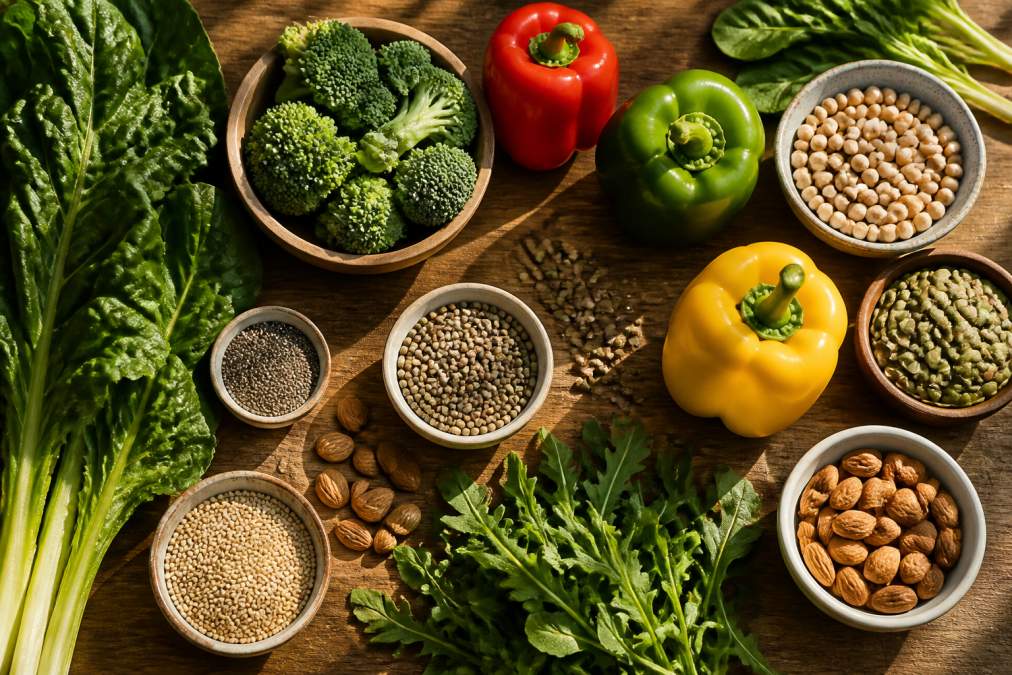
Leafy Greens and Cruciferous Vegetables
Leafy greens like spinach, kale, and arugula are among the most alkaline foods you can eat. They're packed with chlorophyll, which supports detoxification and reduces oxidative stress. Cruciferous vegetables, broccoli, cauliflower, Brussels sprouts, contain sulforaphane, a compound with potent anti-inflammatory properties that activates your body's natural antioxidant defense systems.
These vegetables are also rich in minerals like magnesium and potassium, which your body uses in pH regulation and inflammation control. A simple strategy: make leafy greens the foundation of every meal. Raw in salads, steamed as a side, or blended into smoothies, the preparation method matters less than consistency.
Plant-Based Proteins and Legumes
Legumes like lentils, chickpeas, and beans provide complete plant-based protein when combined with whole grains, plus they're alkaline-forming and rich in fiber. Fiber feeds beneficial gut bacteria, which produce short-chain fatty acids that reduce systemic inflammation (Formation of short chain fatty acids by the gut microbiota and their impact on human...). Unlike animal proteins, which leave an acidic residue, plant proteins support both your pH balance and your microbiome health.
If you struggle with bloating from legumes, soaking them overnight before cooking reduces oligosaccharides, the compounds responsible for digestive discomfort. Start with smaller portions and gradually increase as your gut adapts.
TOCOSH | PROBIOTIC SUPERFOOD →
Seeds, Nuts, and Healthy Fats
Raw almonds, pumpkin seeds, sunflower seeds, and hemp seeds are alkaline-forming and provide omega-3 fatty acids that actively reduce inflammation. Chia seeds and flax seeds are particularly potent sources of plant-based omega-3s, which compete with pro-inflammatory omega-6 compounds for space in your cell membranes.
Avoid roasted and salted nuts, which add refined salt and oxidize the delicate fats.
Benefits of Plant-Based Protein for Inflammation Management
Plant-based proteins offer distinct advantages for reducing inflammation compared to animal proteins. They come packaged with fiber, phytonutrients, and antioxidants, compounds that animal proteins lack. When you eat legumes or seeds, you're not just getting amino acids; you're getting a complete anti-inflammatory food matrix. Integrating these nutrient-dense staples into a consistent anti-inflammatory meal prep routine ensures that your body maintains a steady supply of these protective compounds throughout the work week.
How pH Balance and Homeostasis Reduce Chronic Inflammation
Your body's pH regulation system, homeostasis, is constantly working to maintain the narrow pH range your cells need to function. When you eat acid-forming foods in excess, your body must buffer that acidity using minerals like calcium and magnesium pulled from your bones and tissues. This constant buffering exhausts your body's mineral reserves and diverts energy away from other healing processes.
Building Your Alkaline Meal Plan: Practical Steps and Budget Tips
Start by assessing your current diet. Most people eating a standard diet get 20-30% of calories from plant foods and 70% from animal products and processed foods. Your goal is to flip this ratio: aim for 70% plant-based whole foods and 30% or less from animal products and processed items.
Budget-friendly alkaline shopping list:
- Dried beans and lentils (cheapest protein source)
- Frozen spinach and broccoli (just as nutritious as fresh, cheaper, less waste)
- Carrots, onions, cabbage (seasonal staples, always affordable)
- Oats and brown rice (bulk purchases save 50%)
- Bananas, apples, oranges (seasonal and budget-friendly)
- Raw nuts in bulk sections (almonds, peanuts)
| Meal Component | Alkaline Option | Budget Estimate | Prep Time |
|---|---|---|---|
| Breakfast | Oats with banana and almonds | $1.50 | 5 minutes |
| Lunch | Lentil soup with vegetables | $2.00 | 20 minutes |
| Dinner | Brown rice, beans, roasted broccoli | $2.50 | 25 minutes |
| Snacks | Raw almonds, fruit | $1.00 | 0 minutes |
Alkaline Superfoods to Support Your Anti-Inflammatory Journey
Certain alkaline foods pack exceptional anti-inflammatory power and deserve regular inclusion in your diet. Sea vegetables like sea moss are extraordinarily alkaline and contain over 90 essential minerals that support pH balance and reduce inflammation. Sea moss also provides iodine for thyroid health and compounds that support healthy digestion, addressing multiple inflammation pathways at once.

Frequently Asked Questions
What is the number one alkaline food for reducing inflammation?
Leafy greens like spinach and kale rank among the most alkaline foods available. They're nutrient-dense, rich in antioxidants and phytonutrients that combat oxidative stress, and naturally support pH balance. Other top alkaline foods include broccoli, cucumber, and bell peppers. These non-starchy vegetables provide alkalizing minerals while keeping acid-forming foods minimal in your diet.
What foods flush inflammation out of your body most effectively?
Plant-based whole foods with high antioxidant content work best: leafy greens, cruciferous vegetables, legumes, seeds, and nuts. These foods are naturally alkaline-forming and reduce renal acid load on your kidneys. Omega-3 rich sources like flaxseeds and walnuts also support cellular health. Avoid processed sugars and refined grains, which trigger systemic inflammation and metabolic acidosis.
Does an alkaline diet actually reduce inflammation, or is it marketing hype?
The alkaline diet's core principle, that whole plant-based foods reduce inflammation, aligns with anti-inflammatory science. While your blood pH remains tightly regulated by your body, the foods you eat do influence urinary pH and systemic inflammation markers. Choosing alkaline-forming whole foods naturally means avoiding processed foods, excess refined grains, and added sugars, all known inflammatory triggers. The real benefit comes from the dietary pattern itself.
How do I know if chocho protein is different from other plant-based proteins for sensitive stomachs?
Chocho is naturally alkaline and easier to digest than conventional plant-based proteins because it lacks the compounds that typically cause bloating. It contains all nine essential amino acids and is free from fillers, gums, soy, and dairy, common triggers for digestive sensitivity. Many people with pancreatic issues or compromised digestion find chocho gentler than other plant-based options. Start with one serving daily to assess your individual response.
What's the practical difference between alkaline and anti-inflammatory eating?
Alkaline eating focuses on pH balance and food composition, while anti-inflammatory eating targets foods that reduce chronic inflammation markers. They overlap significantly: alkaline-forming foods (leafy greens, legumes, seeds) are also anti-inflammatory because they're whole, nutrient-dense, and low in oxidative stress triggers. Both approaches emphasize plant-based whole foods and minimize processed foods, refined grains, and excess sodium.
Buy Clean Chocho Protein Powder: A 2026 Guide
Best Plant Protein Without Gums: Clean Choices
Related Posts

Best Plant Protein Without Gums: Clean Choices

Buy Clean Chocho Protein Powder: A 2026 Guide

Best Protein for Sensitive Stomachs: 2026 Guide

Soy Free Dairy Free Protein Powder: 2026 Buyer's Guide

How Much Protein for Muscle Recovery: A 2026 Guide

Avena Chocho con Vainilla Dorada (Apto para Niños)


