

Buy Clean Chocho Protein Powder: A 2026 Guide
Table of Contents
- What Makes Chocho Protein a Clean Choice
- Chocho Protein Benefits for Your Body
- Complete Amino Acid Profile and Nutritional Breakdown
- Purity Standards and Heavy Metal Testing
- Chocho Protein vs Pea Protein: What's the Real Difference
- Choosing Your Chocho Protein: Pure or Flavored
- Frequently Asked Questions
Last Updated: September 20, 2026
What Makes Chocho Protein a Clean Choice
Clean chocho protein stands out because it delivers complete nutrition without the fillers, gums, and artificial ingredients that plague most plant-based powders. Chocho, also known as Andean lupin (Lupinus mutabilis), is a legume native to the highlands of Peru that contains all nine essential amino acids in a naturally balanced ratio. Unlike isolated protein concentrates, chocho protein is a whole-food supplement that retains its fiber, minerals, and plant compounds intact.

The appeal runs deeper than ingredient lists. Many people who've struggled with bloating from conventional plant proteins find that chocho behaves differently in their digestive system. This isn't marketing language, it's rooted in the legume's unique composition. At Seed Foods, we built our approach around this reality: real nourishment that your body can actually process without discomfort.
What separates clean chocho protein from "clean" labels slapped on products loaded with stabilizers and thickeners? Transparency about testing.
Chocho Protein Benefits for Your Body
Chocho protein supports sustained energy without the blood sugar spikes that follow most carbohydrate-heavy snacks. The amino acid profile stabilizes satiety, meaning you stay fuller longer on smaller servings. This matters for professionals managing energy through the workday or athletes recovering between sessions.
The anti-inflammatory reputation of chocho stems from its naturally alkaline and anti-inflammatory properties. These minerals support muscle recovery and electrolyte balance, benefits that extend beyond athletes to anyone managing inflammatory conditions. The fiber content, which averages around 5-7 grams per serving depending on the product, feeds beneficial gut bacteria and supports digestive health directly.
For individuals with sensitive stomachs, chocho's easy digestibility can be beneficial. The protein is bioavailable, your body can actually absorb and use it, without the inflammatory response triggered by soy, dairy, or heavily processed isolates. Parents seeking allergen-friendly nutrition for children with sensitive stomachs may find that chocho integrates smoothly into their routines.
Digestive Adjustment and Transition Considerations
Individuals new to high-fiber plant proteins may experience a temporary adjustment period. The fiber content (5-7 grams per serving) is significantly higher than most isolated protein powders, and introducing it too quickly can trigger bloating, gas, or loose stools in people whose gut microbiota haven't adapted to processing legume fiber. This is not a sign that chocho is problematic; it's a normal adaptation response.
To minimize digestive adjustment, start with one-half scoop (approximately 12 grams of protein) mixed into a smoothie with at least 8 ounces of liquid, taken with a meal rather than on an empty stomach. Maintain this dose for 3-5 days, then increase to three-quarter scoop for another 3-5 days, before progressing to a full scoop. This gradual introduction allows your gut microbiota to colonize and adapt to processing the fiber without triggering fermentation-related discomfort. Most people complete this transition within 10-14 days and report no further digestive issues.
Hydration becomes critical when increasing fiber intake. Chocho's fiber requires adequate water to move through the digestive tract efficiently; insufficient hydration can paradoxically cause constipation despite the high fiber content. Aim for at least 8-10 additional glasses of water daily when incorporating chocho protein into your routine, particularly during the adjustment phase.
Contraindications and Populations to Approach with Caution
Individuals with a documented allergy to lupine or other legumes should consult a healthcare provider before introducing chocho.
If you experience persistent bloating, gas, or digestive distress beyond the first 2-3 weeks of use, or if you develop itching, swelling, or respiratory symptoms after consuming chocho protein, discontinue use and consult a healthcare provider. These symptoms may indicate an individual sensitivity rather than a normal adjustment response.
Who Benefits Most
Chocho protein is particularly well-suited for plant-based athletes, individuals with IBS or similar functional digestive disorders, people managing blood sugar dysregulation, and those seeking a complete protein without common allergens (soy, dairy, tree nuts in some formulations).
Complete Amino Acid Profile and Nutritional Breakdown
The amino acid score for chocho protein is complete, it contains all nine essential amino acids your body cannot manufacture independently. A single serving delivers the amino acids necessary for protein synthesis and muscle recovery.
The nutritional density per serving typically includes 20-25 grams of protein, 5-7 grams of fiber, and notable amounts of iron, magnesium, and zinc. The carbohydrate content is moderate, making chocho suitable for keto-friendly approaches or low-glycemic diets. The fat profile includes plant-based omega fatty acids, which support brain function and hormone production, nutrients often missing from isolated protein powders.
Bioavailability matters. Chocho's protein is absorbed efficiently, meaning your body gets usable nutrition from each serving.
CHOCOLATE TARWI | PLANT-BASED | 20G →
| Nutrient | Per Serving | Notes |
|---|---|---|
| Protein | 20-25g | Complete amino acid profile |
| Fiber | 5-7g | Supports digestive health |
| Carbohydrates | 8-12g | Low glycemic impact |
| Fat | 2-3g | Includes plant-based omegas |
| Magnesium | 60-80mg | Supports muscle recovery |
| Iron | 3-4mg | Plant-based bioavailable form |
Purity Standards and Heavy Metal Testing
The difference between a "clean" label and genuinely clean product is measurable.
Chocho Protein vs Pea Protein: What's the Real Difference
Pea protein delivers adequate amino acids. Pea protein requires isolate processing, mechanical or chemical separation to concentrate the protein and remove fiber and carbohydrates. This processing removes the whole-food context that makes chocho digestible for sensitive stomachs.
The amino acid profile tells the story. Chocho delivers a balanced ratio across all nine essentials.
Digestibility differs significantly. Chocho's composition means fermentation is minimal, even for people with IBS or similar conditions. The cost difference reflects this: chocho typically runs higher per serving, but you absorb more usable nutrition per dollar spent on digestibility and recovery.
How to Use Chocho Protein Powder in Your Daily Routine
The simplest application is a morning smoothie: blend one scoop of chocho protein with plant-based milk, frozen fruit, and a handful of greens. The powder mixes smoothly, and the mild, slightly nutty flavor complements both sweet and savory additions.
For baking, chocho protein works in pancakes, muffins, and energy balls. The fiber content supports moisture retention. The results are nutrient-dense.
Recovery smoothies benefit from chocho's complete amino acid profile. Combine one scoop with banana, plant-based yogurt, and a tablespoon of nut butter within 30-60 minutes after exercise. The carbohydrate-to-protein ratio supports glycogen replenishment while the amino acids initiate muscle repair.
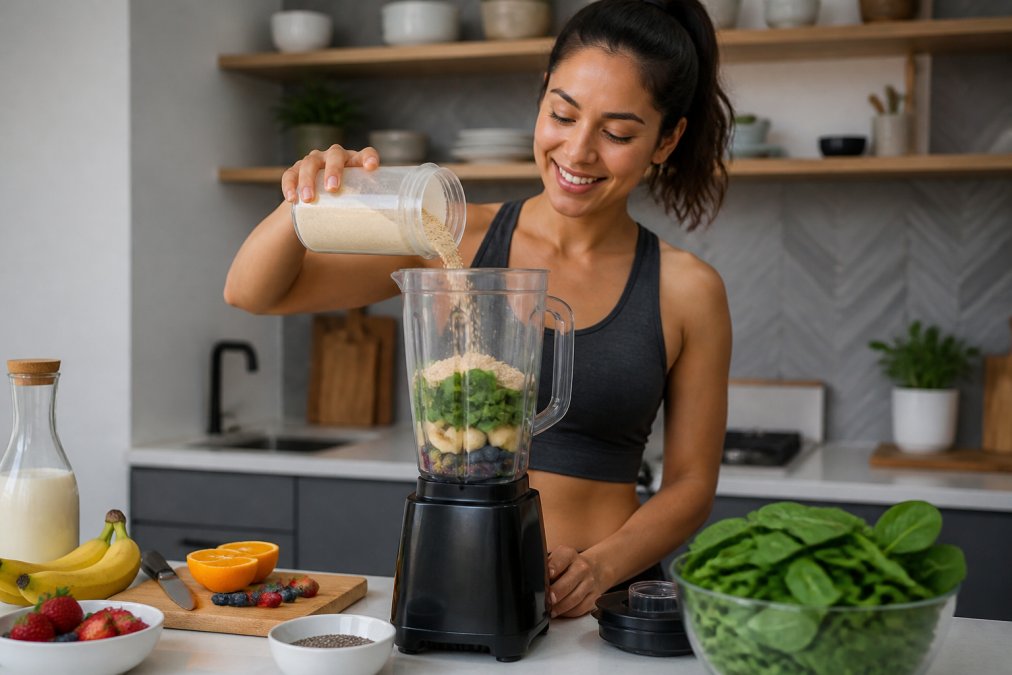
For busy professionals, overnight oats with chocho powder offer grab-and-go nutrition. Mix one scoop with rolled oats, plant-based milk, and chia seeds the night before. The proteins support sustained energy through the morning.
Choosing Your Chocho Protein: Pure or Flavored
The pure option, chocho protein with no added ingredients, gives you maximum flexibility and zero surprises. A single-ingredient product like the Seed Foods Pure Tarwi contains only chocho, nothing else. This works for people who want control over their flavor profile or those managing multiple sensitivities who can't risk additives. The unflavored powder integrates into savory applications: soups, energy balls, and baking recipes where chocolate or vanilla would clash.
Flavored options sacrifice some versatility but gain convenience. A chocolate-flavored chocho protein works immediately in smoothies or mixed with water for quick post-workout nutrition, eliminating the prep time of combining pure powder with other ingredients. The Seed Foods Chocolate Tarwi blends deep cacao with chocho, creating a taste profile that appeals to people transitioning from conventional protein powders.
The trade-off between pure and flavored comes down to your routine. If you're blending smoothies daily, pure chocho offers flexibility. If you're looking for grab-and-mix convenience or you're introducing chocho to skeptical family members who expect familiar flavors, the flavored option removes friction from adoption.
Price-per-serving differs between formats. The 1.1 lb containers of either pure or flavored chocho run around $39.99, while the larger 3.3 lb bulk option of pure chocho costs $99.99, reducing per-serving cost for regular users. The bulk format makes sense if you've confirmed that chocho works for your body and you're committed to consistent use.

Choosing clean chocho protein means investing in a protein source that supports your body instead of stressing it. The complete amino acid profile, natural digestibility, and commitment to purity testing distinguish chocho from mainstream plant-based alternatives. Whether you select pure chocho for maximum flexibility or flavored options for convenience, you're choosing real nourishment designed for sensitive systems. Start with a single container to assess how your body responds, then adjust your routine based on energy levels, recovery speed, and digestive comfort. The difference between adequate protein and protein that actually works for your body is worth the investment.
Frequently Asked Questions
Is chocho protein powder safe for daily consumption?
Yes, chocho protein is safe for daily use. It's naturally free from common allergens like soy and dairy, making it suitable for those with digestive sensitivities. Chocho contains no added fillers or gums, just whole food nutrition. It's easy to digest. Start with one serving daily and adjust based on your digestive response.
What makes chocho protein cleaner than other plant-based options?
Chocho protein stands out because it's minimally processed and free from isolates, fillers, and artificial ingredients. Chocho is naturally complete with all nine essential amino acids. It's naturally alkaline and anti-inflammatory, supporting digestive health. The pure chocho option contains just one ingredient, the whole plant itself.
Does chocho protein contain all nine essential amino acids?
Yes. Chocho is a complete protein containing all nine essential amino acids your body cannot produce on its own. Each serving delivers a full amino acid profile. This makes chocho ideal for athletes, busy professionals, and anyone seeking straightforward nutritional support.
How does chocho protein compare to whey or pea protein?
Chocho is plant-derived, making it suitable for vegans and those avoiding dairy, unlike whey. Compared to pea protein, chocho is easy to digest. Chocho is also naturally alkaline and anti-inflammatory. Both deliver complete proteins, and chocho's whole-food format and minimal processing provide real nourishment for sensitive digestive systems.
Best Protein for Sensitive Stomachs: 2026 Guide
Alkaline Diet Foods for Inflammation
Related Posts

Best Plant Protein Without Gums: Clean Choices

Alkaline Diet Foods for Inflammation

Best Protein for Sensitive Stomachs: 2026 Guide

Soy Free Dairy Free Protein Powder: 2026 Buyer's Guide

How Much Protein for Muscle Recovery: A 2026 Guide

Avena Chocho con Vainilla Dorada (Apto para Niños)


