

Best Plant Protein Without Gums: Clean Choices
Table of Contents
- Why Plant Protein Without Gums Matters
- Understanding Thickening Agents: Guar Gum, Xanthan Gum, and Digestive Impact
- How to Read Protein Powder Labels for Hidden Additives
- Clean Label Plant Protein Powder: What Sets Gum-Free Apart
- Top Gum-Free Plant Protein Options
- Comparison Table: Protein Content, Ingredients, and Pricing
- Culinary Uses Beyond Shakes
- Conclusion
- Frequently Asked Questions
Last Updated: September 23, 2026
Why Plant Protein Without Gums Matters
Many people experience digestive distress after consuming conventional protein powders. The culprit often sits on the ingredient label: thickening agents like guar gum and xanthan gum. These additives create the texture consumers expect, but they come with a cost for sensitive stomachs.
The search for plant protein without gums has grown as people recognize the connection between additives and digestive discomfort. Seed Foods built its approach around this principle: real food, minimal ingredients, maximum nutrition. Remove the fillers and gums, and you're left with complete plant-based protein your body can digest easily.
Bloating, gas, and digestive upset undermine the point of supplementing with protein. This guide explains why gum-free options matter, how to spot hidden additives, and which plant proteins deliver without digestive aftermath.
Understanding Thickening Agents: Guar Gum, Xanthan Gum, and Digestive Impact
Guar gum and xanthan gum are soluble fibers that thicken protein powders and create a smooth mouthfeel. The problem: these additives ferment in your digestive system, especially if you have a sensitive gut.
When gut bacteria ferment these fibers, they produce gas and bloating. For people with IBS, inflammatory conditions, or food sensitivities, the reaction can be pronounced.
Xanthan gum and guar gum trigger digestive issues in sensitive individuals, some experience immediate bloating, others subtle inflammation over time. Neither is toxic, but both are unnecessary when alternatives exist.
Gum-free powders are grittier and less creamy, mixing less smoothly. But a slightly thinner shake that doesn't bloat you beats a silky-smooth powder that leaves you uncomfortable for hours.
How to Read Protein Powder Labels for Hidden Additives
Most people glance at protein content and move on. The real story is in the ingredient list, which manufacturers know most consumers won't read carefully.
Check the ingredient list first. Ingredients are listed by weight in descending order. If guar gum, xanthan gum, or other gums appear in the first five ingredients, the powder relies on additives for texture. Watch for:
- Guar gum
- Xanthan gum
- Carrageenan (another thickener that causes digestive issues for many)
- Cellulose (plant-based thickener)
- Maltodextrin (filler that spikes blood sugar) (Nutrition, Health, and Regulatory Aspects of Digestible Maltodextrins)
- Artificial sweeteners like aspartame, sucralose, or acesulfame potassium
Check the amino acid profile. A complete plant protein contains all nine essential amino acids. If the brand doesn't list this breakdown, that's a red flag.
Scan for allergen warnings and cross-contamination notices. Clean label plant protein powder means transparency about contents and manufacturing location.
Check serving size and protein per serving. Some brands inflate claims with unrealistically small servings. Realistic servings are typically 25-35 grams of powder.
Clean Label Plant Protein Powder: What Sets Gum-Free Apart
A clean label means transparency and simplicity. When a powder is truly gum-free, the ingredient list reads like food, not a chemistry experiment.
The best plant protein without gums relies on the protein source's inherent properties. Accepting texture variation is part of choosing clean, you're trading convenience for digestibility.
A genuinely clean powder has: a recognizable protein source (pea, hemp, brown rice, chocho); minimal added ingredients (under 10 total); and no artificial sweeteners or colors.
Chocho, an ancient Andean lupin, delivers complete protein with all nine essential amino acids and is easier to digest than conventional plant sources. It's less processed than isolated proteins, so your body recognizes it as food.
Bioavailability matters: processed isolates are highly absorbable but stripped of fiber and minerals, while whole-food plant proteins include fiber, omegas, and minerals that support overall health.
Top Gum-Free Plant Protein Options
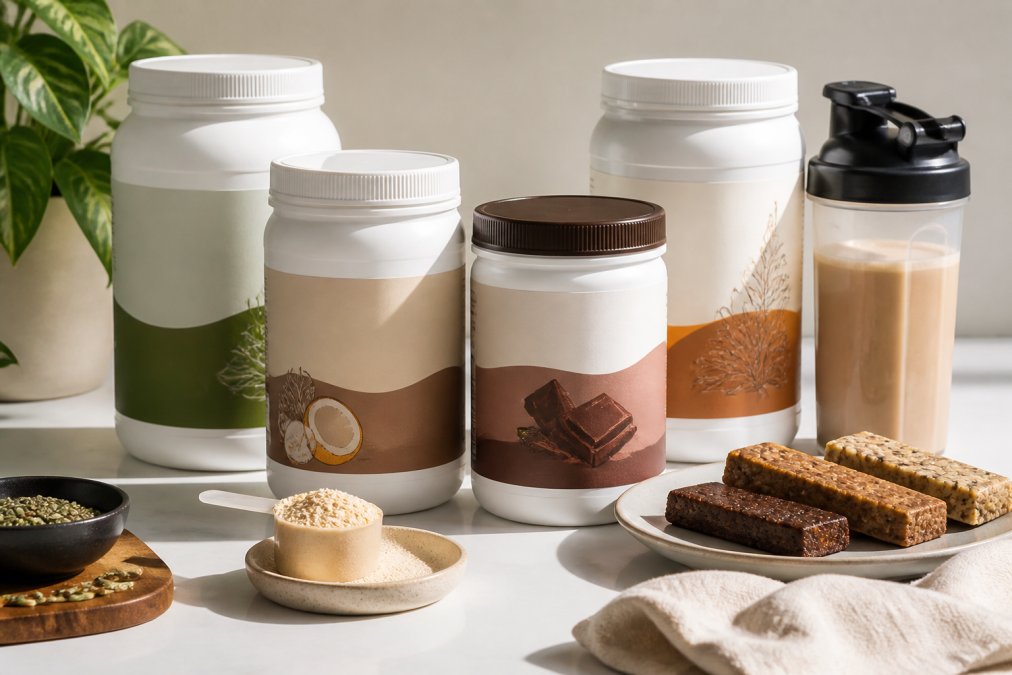
Pure Tarwi: Single-Ingredient Simplicity
Pure Tarwi is chocho in its most honest form: one ingredient, 25 grams of complete plant protein per serving. This is what plant protein without gums looks like stripped of everything unnecessary.
PURE TARWI | PLANT-BASED | 25G PROTEIN →
The unflavored nature means total flexibility: mix into smoothies, oatmeal, pancake batter, soups, or coffee. Because there's no added flavor masking the base ingredient, you taste the actual nutrition.
At $39.99 for 1.1 pounds, Pure Tarwi costs roughly $1.60 per serving. Compare that to gum-laden powders at similar price points, and you're paying the same for dramatically fewer additives and superior digestibility. The larger 3.3-pound option at $99.99 brings the per-serving cost down further for regular users.
The fiber and mineral content is substantial. Chocho provides omegas, calcium, and iron, nutrients most isolated plant proteins lack. Your digestive system processes this as food, not as a supplement, which is why bloating is virtually eliminated. Prioritizing whole-food sources remains the most effective strategy for digestive comfort, though understanding the role of natural supplements to reduce bloating can provide additional clarity for those managing persistent sensitivity.
Chocolate Tarwi: Flavor Without Fillers
Chocolate Tarwi bridges the gap between pure and flavored. It's 20 grams of complete plant protein per serving, combined with cacao and minimal sweetening. Seven natural ingredients total, zero gums.
This is where plant protein without gums becomes genuinely enjoyable. The deep cacao flavor satisfies chocolate cravings without the artificial aftertaste. It mixes better than pure tarwi because the cacao adds slight viscosity, but the texture is still noticeably thinner than gum-thickened powders. That's the honest trade-off.
At $39.99 per 1.1-pound container, the cost per serving matches Pure Tarwi. The difference is that you're paying for the cacao and processing, not for additives. The ingredient list reads like a recipe: chocho, cacao, sweetener, vanilla, salt. That's it. No xanthan gum. No maltodextrin. No mystery components.
Lucuma Tarwi: Naturally Sweet and Creamy
Lucuma Tarwi delivers 20 grams of complete plant protein per serving with a naturally sweet, subtly caramel flavor. Lucuma, a Peruvian fruit, adds creaminess without gums. Six natural ingredients, zero additives.
This option appeals to people who want sweetness without the artificial taste. Lucuma is genuinely sweet, so the powder needs minimal added sweetener. The texture is noticeably creamier than the other options, which makes it ideal for people transitioning from conventional protein powders.
At $39.99 per 1.1-pound container, Lucuma Tarwi matches the pricing of the other flavored option.
Protein Bars: Portable Gum-Free Nutrition
Not everyone has time for mixed shakes. Protein bars solve that problem while maintaining the gum-free commitment. Seed Foods offers three options, each with 16-20 grams of chocho-based protein and zero gums.
Comparison Table: Protein Content, Ingredients, and Pricing
| Product | Protein per Serving | Total Ingredients | Gums | Price | Cost per Serving |
|---|---|---|---|---|---|
| Pure Tarwi (1.1 lb) | 25g | 1 | None | $39.99 | $1.60 |
| Pure Tarwi (3.3 lb) | 25g | 1 | None | $99.99 | $1.28 |
| Chocolate Tarwi | 20g | 7 | None | $39.99 | $1.79 |
| Lucuma Tarwi | 20g | 6 | None | $39.99 | $1.79 |
| Almond Cacao Bar | 20g | 5 | None | $5.99 | $5.99 |
| Sunflower Vanilla Bar | 20g | 5 | None | $5.99 | $5.99 |
| Peanut Butter Bar | 16g | 5 | None | $5.99 | $5.99 |
The table shows a clear pattern: as you move from powder to bars, convenience increases and cost per serving rises. For daily supplementation, powder is more economical. For on-the-go nutrition, bars justify the premium.

Culinary Uses Beyond Shakes
This is where gum-free plant protein becomes genuinely useful. Conventional powders are designed for one purpose: mixing into liquid. Gum-free powders are actually versatile.
Conclusion
The decision to choose plant protein without gums is fundamentally about honoring what your body actually needs. Bloating, digestive distress, and inflammation aren't acceptable trade-offs for convenience. Real nutrition shouldn't require industrial additives to work.
Frequently Asked Questions
Do gums in protein powder cause bloating and digestive distress?
Yes, thickening agents like xanthan gum and guar gum can trigger bloating, gas, and digestive discomfort in sensitive individuals. These additives are used to improve texture and shelf stability, but they ferment in the gut and may cause inflammation. Plant protein without gums eliminates this trigger, making it easier for people with digestive sensitivities to absorb nutrients without the side effects that conventional powders often produce.
What makes a clean label plant protein powder different from regular protein?
A clean label plant protein powder contains minimal ingredients, ideally whole food sources with no artificial additives, sweeteners, or thickening agents. Unlike conventional options that use gums for texture, clean formulas rely on the natural properties of the protein source itself. This transparency in ingredient sourcing and processing means you know exactly what you're consuming, which is especially important for those managing digestive health or food sensitivities.
How do I identify hidden gums when reading protein powder labels?
Look for these common thickening agents in the ingredient list: xanthan gum, guar gum, carrageenan, and locust bean gum. Manufacturers sometimes list them under 'stabilizers' or 'texture enhancers.' Check the full ingredient statement, not just the nutrition facts panel. If a powder claims to be 'smooth' or 'creamy' but lists only protein and minimal other ingredients, it likely relies on the protein source's natural texture rather than added gums, a sign of a truly clean formulation.
Can plant protein without gums provide enough amino acids for athletic recovery?
Absolutely. A single serving of gum-free plant protein with a complete amino acid profile, containing all nine essential amino acids, delivers the same recovery support as conventional powders. Chocho-based proteins, for example, provide 25 grams of complete protein per serving, meeting the amino acid requirements for post-workout recovery without the digestive burden that gums can create. Athletes often report better energy and faster recovery when switching to gum-free options.
Related Posts

Alkaline Diet Foods for Inflammation

Buy Clean Chocho Protein Powder: A 2026 Guide

Best Protein for Sensitive Stomachs: 2026 Guide

Soy Free Dairy Free Protein Powder: 2026 Buyer's Guide

How Much Protein for Muscle Recovery: A 2026 Guide

Avena Chocho con Vainilla Dorada (Apto para Niños)


