
Are Mineral-Rich Superfoods Worth Adding to Your Diet?
Last Updated: November 4, 2026
Quick Summary
Adding mineral rich superfoods to your diet helps fill nutrient gaps your body cannot make on its own, since every gram of iron, magnesium, and potassium must come from food. They work best as contributors to a balanced plate, not as stand-alone fixes or supplement replacements.
- Pair iron-rich legumes with vitamin C sources like citrus or tomatoes to boost absorption.
- Soak, sprout, or ferment grains and legumes to reduce phytates that block mineral uptake.
- One ounce of pumpkin seeds covers more than a third of the magnesium Daily Value.
- Steam vegetables instead of boiling them to preserve water-soluble minerals like potassium.
- Start with one dietary change per week rather than overhauling your whole pantry at once.
Table of Contents
- What Makes a Superfood Mineral-Rich, and Why It Matters
- Mineral-Rich Foods: A Mineral-by-Mineral Guide to Sources and Functions
- How Well Do You Actually Absorb These Minerals?
- How to Add Superfoods to Your Diet Without Overhauling It
- Benefits of Superfood Powder: Convenience, Consistency, and What to Check on the Label
- Who Should Use Caution With Mineral-Rich Superfoods
- Budget-Friendly and Culturally Varied Ways to Get More Minerals
- Building Your First Mineral-Rich Superfood Routine
- Frequently Asked Questions
What Makes a Superfood Mineral-Rich, and Why It Matters
The benefits of adding mineral rich superfoods to your diet start with a simple fact: your body cannot make minerals, so every gram of iron, magnesium, and potassium has to come from food. At Seed Foods, we built our entire pantry around that idea. Superfoods are foods that pack an unusually high amount of essential nutrients into a small serving, and the mineral-rich ones earn the label.
The word "superfood" itself is loose marketing language. A peer-reviewed review of superfood nutrition research cautions that any health effects should be understood as part of a balanced diet, not as a property of one food. That distinction matters more than most shoppers realize.
Nutrient Density vs. the Superfood Label
Nutrient density is the amount of vitamins, minerals, protein, and fiber a food delivers per calorie. A food can be nutrient-dense without ever carrying a "superfood" sticker.
Watch out: the superfood label has no legal definition, so a package can use it freely while delivering a modest nutrient load. Read the nutrition panel, not the front of the box.
Mineral-Rich Foods: A Mineral-by-Mineral Guide to Sources and Functions
Mineral-rich foods matter because each mineral does a specific job, and a shortfall in one shows up in a predictable place. Iron carries oxygen in your blood. Magnesium supports muscle and nerve function. Potassium helps regulate blood pressure. Calcium builds bone, zinc supports immune function, and trace minerals like iodine and selenium keep metabolism and antioxidant defenses running.
The practical question most guides skip is how much a real serving actually delivers. The table below maps each mineral to common foods, their primary function, and a realistic contribution to adult daily needs based on standard serving sizes. Daily values referenced are the FDA's Daily Values used on Nutrition Facts labels.
| Mineral | Main Food Sources | Primary Function | Realistic Serving Contribution |
|---|---|---|---|
| Iron | Lentils, spinach, fortified oats, pumpkin seeds | Oxygen transport | 1 cup cooked lentils: about 6-7 mg, roughly 35-40% of the 18 mg Daily Value |
| Magnesium | Pumpkin seeds, almonds, cacao, whole grains | Muscle and nerve function | 1 oz pumpkin seeds: about 150 mg, roughly 35-40% of the 420 mg Daily Value |
| Potassium | Beans, potatoes, bananas, leafy greens | Blood pressure regulation | 1 medium potato with skin: about 900 mg, roughly 20% of the 4,700 mg Daily Value |
| Calcium | Dairy, fortified plant milks, tofu set with calcium, leafy greens | Bone structure | 1 cup fortified plant milk: about 300-350 mg, roughly 25-30% of the 1,300 mg Daily Value |
| Zinc | Legumes, seeds, whole grains, beef | Immune function | 1 oz pumpkin seeds: about 2 mg, roughly 20% of the 11 mg Daily Value |
| Iodine | Sea vegetables, iodized salt, dairy | Thyroid hormone production | 1/4 tsp iodized salt: about 75 mcg, roughly 50% of the 150 mcg Daily Value |
Iron, Magnesium, and Potassium
Iron from plant sources is absorbed less efficiently than iron from meat, so pairing legumes with a source of vitamin C helps. A cup of cooked lentils delivers roughly 6-7 mg of iron, and adding tomatoes, citrus, or bell peppers to the same meal can meaningfully increase uptake. Magnesium shows up in cacao, pumpkin seeds, and whole grains; a single ounce of pumpkin seeds covers more than a third of the Daily Value. Potassium is abundant in beans, potatoes, and dark leafy greens, three of the cheapest items in any grocery store, and a single potato with skin provides about a fifth of the Daily Value.
Calcium, Zinc, and the Trace Minerals
Calcium and zinc both appear in legumes, seeds, and leafy greens, though plant sources of calcium are less concentrated than dairy unless the food is fortified or set with calcium salts. Trace minerals like iodine and selenium appear in smaller amounts but still matter.
Watch out: seaweed and sea salt labels rarely state iodine content, and iodine levels in sea vegetables can range from modest to excessive depending on the species and where it was harvested.
How Well Do You Actually Absorb These Minerals?
Absorption is the part most guides skip, and it changes how you should plan meals. Two things drive mineral absorption: the form the mineral arrives in and what else is on your plate at the same time. The difference is not marginal. That range is why preparation and pairing matter as much as the food itself.
Plant foods contain phytates, compounds that bind minerals, especially iron, zinc, and calcium, and reduce how much your body takes up. Phytates are not entirely bad; they also have antioxidant properties. The goal is to manage them, not eliminate them. Soaking, sprouting, and fermenting legumes and grains lowers phytate content and improves absorption. Pairing iron-rich plants with vitamin C does the opposite: it increases uptake by converting iron into a more absorbable form.
- Pair beans and lentils with citrus, tomatoes, or bell peppers to boost iron uptake
- Soak or sprout grains and legumes before cooking to reduce phytates
- Keep calcium supplements separate from iron-rich meals, since they compete for absorption
- Spread mineral sources across the day rather than loading one meal
- Use fermented foods like sourdough, tempeh, and miso, where fermentation has already reduced phytate content
A common mistake is treating a nutrient-dense food as a supplement. A spoonful of a mineral-rich powder adds to your intake; it does not replace a varied plate. The same logic applies to oxalates in spinach and other leafy greens, which bind calcium and reduce its absorption. That does not make spinach a poor choice; it means rotating greens and pairing calcium sources thoughtfully.
Watch out: boiling vegetables leaches water-soluble minerals like potassium into the cooking water, so steaming or using the cooking liquid in soups preserves more of what you paid for.
SEAMOSS | MINERAL SUPERFOOD | 5oz →
How to Add Superfoods to Your Diet Without Overhauling It
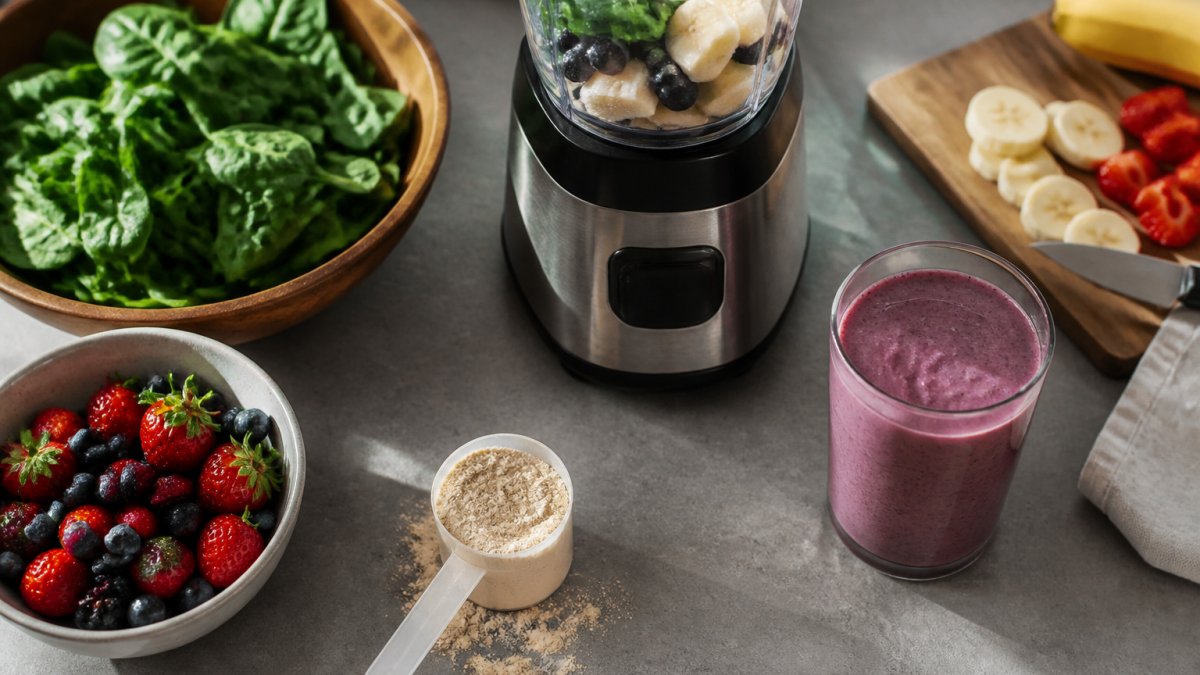
The easiest way to add superfoods to your diet is to swap, not subtract. Add a handful of greens to a smoothie you already make. Stir seeds into yogurt. Trade half your usual rice for lentils. Small, repeatable changes beat a full pantry reset every time.
Serving Sizes and Realistic Daily Contributions
Serving size is where expectations need a reset. A tablespoon of any powder contributes a modest share of your daily mineral needs, not a full day's worth. Treat superfoods as contributors to a healthy eating pattern, not as stand-alone fixes.
- Greens: one to two cups per day, raw or cooked
- Legumes: half a cup to a full cup per day
- Seeds and nuts: one to two tablespoons per day
- Powders: one serving per day, per the label
Benefits of Superfood Powder: Convenience, Consistency, and What to Check on the Label
The main benefit of superfood powder is consistency. A powder removes the prep work, so you actually get the nutrients on a busy morning instead of skipping them. The trade-off is that powders vary widely in quality, and the label tells you which ones are worth buying.
Check four things: the ingredient list (short is better), the serving size (a tiny scoop delivers a tiny dose), added sugars or fillers, and whether the minerals are listed with amounts. If you want a mineral-focused option, SEAMOSS | MINERAL SUPERFOOD | 5oz is a sea vegetable powder you can compare against those label criteria.

Watch out: a powder with a long filler list and a tiny serving size can cost more per nutrient than plain whole foods. Compare the mineral amounts, not the marketing claims.
Who Should Use Caution With Mineral-Rich Superfoods
Some people should check with a doctor before loading up on mineral-rich superfoods. Sea vegetables are high in iodine, and iodine intake matters for anyone with thyroid conditions. Potassium-rich foods and salt substitutes need care for people with kidney disease. Iron supplements and iron-rich foods can interact with certain medications.
If you are managing a health condition, a related read on alkaline diet foods for inflammation can help you think through diet choices alongside your care team. None of this is a reason to avoid whole foods. It is a reason to know your own numbers first.
Budget-Friendly and Culturally Varied Ways to Get More Minerals
The cheapest mineral-rich foods are usually the least glamorous. Dried beans, lentils, oats, frozen greens, canned fish with bones, and plain seeds deliver more minerals per dollar than most specialty products. A bag of lentils costs less than a single tub of powder and covers iron, magnesium, and potassium at once.
Cultural variety keeps the routine sustainable. Lentil soup, bean stews, seaweed in soups, tahini on vegetables, and cacao in drinks are all traditional ways of getting minerals in. Rotating through cuisines you already enjoy makes the habit stick far better than forcing down a powder you dislike.
Building Your First Mineral-Rich Superfood Routine
Start with one change per week, not five. Week one, add a serving of legumes to lunch. Week two, add greens to breakfast. Week three, add a mineral-rich powder or salt to what you already cook. By week four you have a routine that fits your life instead of fighting it.

At Seed Foods, we make that third step simple. Our chocho-based Pure Tarwi Protein | 25G Plant Protein | 1.1 LBS provides 25 grams of plant-based protein from a single ingredient, with no gums, fillers, soy, or dairy. It blends into smoothies and shakes.
Frequently Asked Questions
Which superfoods are richest in minerals?
Sea vegetables top the list: sea moss is described as containing over 90 essential minerals, including iodine. Dark leafy greens supply iron, calcium, and magnesium; legumes such as tarwi (chocho) add iron, magnesium, and potassium alongside protein; berries contribute potassium with antioxidants; and unrefined salts like Maras salt carry trace magnesium, calcium, and potassium. Salmon covers selenium and potassium. Check labels for exact mineral amounts per serving.
Are superfood powders as nutritious as whole foods?
Powders concentrate certain nutrients but lose the fiber matrix and water content of whole foods, and mineral levels vary by brand and batch. They work best as a supplement to, not a replacement for, a balanced diet. Look for short ingredient lists with no fillers or gums, and use powders to fill gaps on busy days.
How do I know if my body needs more minerals?
Persistent fatigue, muscle cramps, brittle nails, and frequent illness can signal low intake of iron, magnesium, or zinc, but these symptoms overlap with many other causes. A blood test ordered by your doctor is the reliable way to check. Rather than guessing, focus on mineral-rich foods daily: dark leafy greens, legumes, berries, and unrefined salt. If you take medication for thyroid conditions or blood pressure, talk to your doctor before adding high-iodine foods like sea moss, since interactions are possible.
What are the benefits of superfood powder for someone with a sensitive stomach?
The main benefits of superfood powder are convenience and consistency: a measured scoop delivers the same nutrients daily without meal prep. For sensitive stomachs, the formula matters more than the format. Choose single-ingredient or short-list products without gums, fillers, soy, or dairy, which are common bloat triggers. Tarwi (chocho) protein, for example, is listed as easy to digest. Start with half a serving for the first week to see how your gut responds before increasing.
Most people do not need a pantry overhaul to get more minerals. They need a handful of repeatable swaps and a powder that does not upset their stomach. Seed Foods gives you one-ingredient chocho protein with all nine essential amino acids, naturally alkaline and free from fillers, gums, soy, and dairy. Get started with Seed Foods and build a mineral-rich routine your gut can actually handle.

How to Choose a Nut-Free Protein Bar Safely
How to Choose a Nut-Free Protein Bar Safely
Related Posts

Chocho Beans vs Lupini Beans for Nutrition and Taste

Plant Protein Powder vs Whey: Which Fits Your Body

How to Work Ancestral Superfoods Into Your Daily Meals

Chocho Protein Amino Acid Profile: What the Numbers Show

7 Ways to Get Enough Protein on a Vegan Diet

Best Vegan Protein Powder for Smoothies in 2026

Benefits of Ancestral Gut Support Supplements: What Evidence Shows


