
Best Vegan Protein Powder for Smoothies in 2026
Last Updated: November 15, 2026
Quick Summary
The best vegan protein powder for smoothies delivers 20 to 30 grams of protein per serving, mixes without clumps, and keeps the ingredient list short. Single-ingredient options like Pure Tarwi Protein provide 25 grams of protein with all nine essential amino acids and no gums or fillers. Add liquid first, then powder, then ice to prevent most clumping.
- Vegan protein powders typically provide 15 to 30 grams of protein per serving.
- Aim for at least 20 percent protein by calorie when comparing powders for weight loss.
- One tablespoon of ground flaxseed adds about 2 grams of fiber to a smoothie.
- Pair one scoop with at least 8 ounces of liquid to reduce clumping.
- The 3.3 lb Pure Tarwi Protein gives you 30 servings for steady daily use.
Table of Contents
- What Makes the Best Vegan Protein Powder for Smoothies
- The Healthiest Vegan Protein Powder Starts With a Short Ingredient List
- Best Vegan Protein Powder for Weight Loss: Calories, Fiber, and Sweeteners
- Best Plant-Based Protein Powder to Build Muscle
- Smoothie Recipes and Serving Combinations That Actually Blend
- Texture and Flavor Troubleshooting for Plant-Based Protein Shakes
- Choosing Your Vegan Protein Powder for Smoothies
- Frequently Asked Questions
What Makes the Best Vegan Protein Powder for Smoothies
The best vegan protein powder for smoothies delivers 20 to 30 grams of protein per serving, mixes without clumps, and keeps the ingredient list short. Get those three right and the rest, flavor, sweetness, cost, becomes a preference rather than a compromise.
Here's the tension most guides skip: a powder can hit 25 grams of protein and still ruin your smoothie. Chalky texture, gummy mouthfeel, and bloating an hour later are formulation problems, not user error. Single-ingredient protein can sidestep many of these problems.
Below, we break down what actually separates a smoothie-ready powder from one that sits unused in your cabinet.
Protein per Serving and Amino Acid Completeness
Vegan protein powders typically provide between 15 and 30 grams of protein per serving, according to Eden Smoothies' nutritional breakdown. Hitting the low end means you need two scoops to match a whey shake. That's extra calories and extra powder taste.
Amino acid completeness matters just as much. A complete protein contains all nine essential amino acids your body cannot make on its own. Research from the National Center for Biotechnology Information indicates that plant-based proteins such as pea, rice, and soy have similar effects on muscle protein synthesis compared to whey protein. Single-source plant proteins can be complete too. Chocho carries all nine essential amino acids.
For a deeper look at how plant foods stack up, see our guide to complete amino acids in plant foods.
Texture, Mixability, and Flavor in a Blender
Texture decides whether you finish the shake. A smooth consistency comes from fine milling and a protein that dissolves rather than absorbs water unevenly. Chalky texture and grittiness usually trace back to coarse particles or added fibers that never fully hydrate.
Unflavored powder is the safest bet for smoothies because fruit, greens, and nut butter carry the flavor. Vanilla flavor works when you want a shake that stands alone. Either way, add liquid first, then powder, then ice. That order alone prevents most clumping.
The Healthiest Vegan Protein Powder Starts With a Short Ingredient List
Many readers prefer protein powders with fewer ingredients, since each added gum, filler, or artificial sweetener is one more thing to account for.
Transparency has become a real differentiator. Brands like Ritual are gaining favor by listing the specific origin of every ingredient on their website, per Health.com's 2026 reporting. The Clean Label Project has tested protein powder brands for ingredient purity and label accuracy, and the results regularly show gaps between what's printed and what's inside.
Vegan Protein Powder Ingredients to Avoid
Watch for these when you read a label:
- Gums like xanthan and guar, often added for texture, and a common trigger for digestive discomfort
- Added sugar and syrups, which push calories up without adding protein
- Artificial sweeteners, which some people tolerate poorly
- Fillers and flow agents, which dilute the protein you paid for
- Soy and dairy derivatives, a problem if you're avoiding allergens
If gums are your concern, our list of plant proteins without gums covers clean options in detail.
Best Vegan Protein Powder for Weight Loss: Calories, Fiber, and Sweeteners
For weight loss, the useful number is not grams of protein per scoop but grams of protein per calorie. A powder that delivers 25 grams of protein in roughly 110 calories is doing more work for you than a flavored blend that delivers 20 grams in 160 calories, because the extra calories come from sweeteners and fillers rather than protein.
Fiber is the second lever, and it is where smoothies beat shakes. A powder with naturally occurring fiber can add to your daily fiber intake, and the bigger fiber contribution usually comes from what you blend with it. One tablespoon of ground flaxseed adds about 2 grams of fiber; a quarter cup of rolled oats adds about 2 grams; half a cup of frozen raspberries adds about 4 grams.
Sweeteners are where labels get sneaky. "No added sugar" still allows sugar alcohols such as erythritol and maltitol, which can upset sensitive stomachs and, in the case of maltitol, carry a laxative effect at higher doses. "Zero sugar" can mean a blend of artificial sweeteners.
A weight-loss smoothie that actually holds you until lunch looks like this: 1 scoop unflavored protein, 3/4 cup unsweetened plant milk, 1/2 cup frozen berries, 1/4 cup rolled oats, 1 tablespoon ground flaxseed, and water to thin. That lands around 25 grams of protein and 8 to 10 grams of fiber for roughly 250 calories, and the fiber and protein together are what keep hunger down. Skip the banana and the nut butter if you are counting calories tightly; keep them if you need the smoothie to replace a meal.
Watch out: some powders marketed for weight loss include added ingredients that can cause bloating, so start with a smaller serving if you are sensitive. If you are sensitive, start with half a scoop for a few days before moving to a full serving, and choose a powder with a short ingredient list so you can tell what agrees with you.
Our Pure Tarwi Protein delivers 25 grams of plant-based protein per serving from one ingredient, with no gums or fillers. For weight loss, pair one scoop with frozen berries, oats, and unsweetened plant milk and skip the banana and nut butter.
Best Plant-Based Protein Powder to Build Muscle
Muscle gain depends largely on total daily protein intake and leucine-rich sources. Adding a plant powder can help you reach your protein goals across the day.
Serving size is where athletes get tripped up. Naked Nutrition Pea Protein offers 27% of daily protein requirements per serving, per Yahoo Health's 2026 review, while Sprout Living Epic Protein contains 26 grams per serving, according to Vegananj's 2026 comparison. Our Pure Tarwi Protein sits at 25 grams with all nine essential amino acids, and the 3.3 lb container gives you 30 servings for steady daily use.
Single-ingredient options like Pure Tarwi Protein are unflavored, so you'll add your own flavor.
Smoothie Recipes and Serving Combinations That Actually Blend
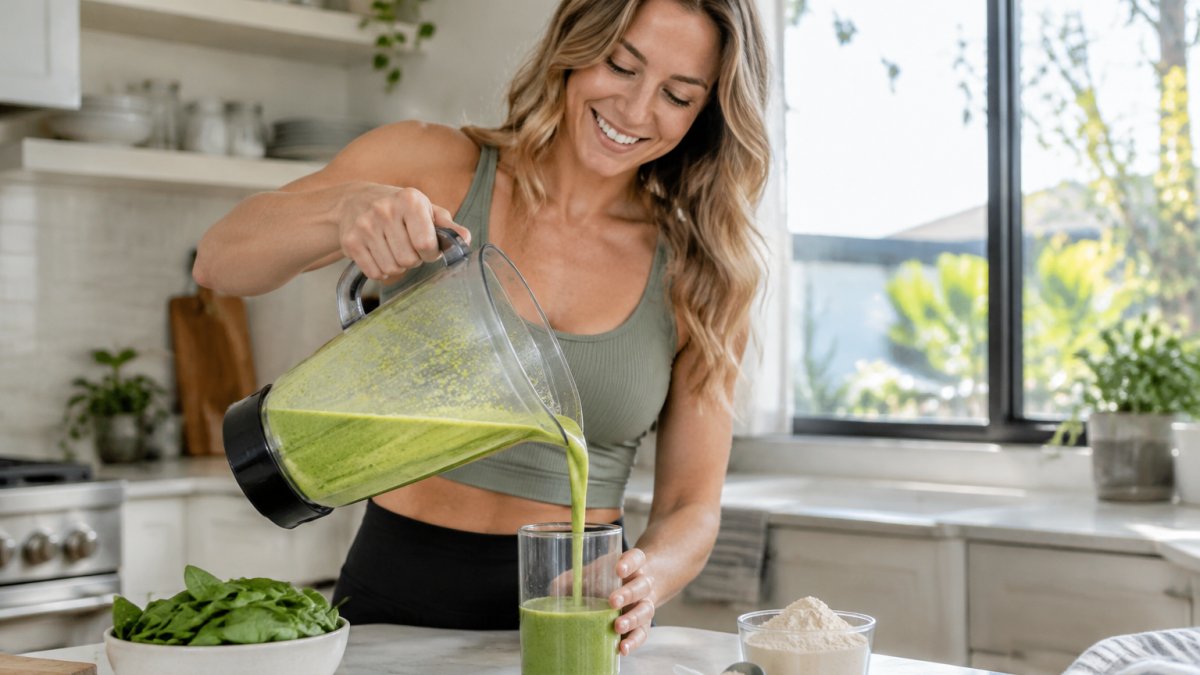
Most guides list flavors. We list ratios. The combinations below are simple ratios you can try in your own blender, with liquid added first, then powder, then frozen fruit and ice.
1. Recovery shake (cherry-vanilla). 1 scoop unflavored protein, 1 cup unsweetened oat milk, 1 cup frozen dark cherries, half a frozen banana, 1 tablespoon almond butter. Blend 45 seconds.
2. Green blend (creamy, no dairy). 1 scoop unflavored protein, 1 cup water, 1 packed cup baby spinach, half a ripe avocado, juice of half a lime, 4 ice cubes. Blend 60 seconds.
3. Cacao treat. 1 scoop cacao protein, 1 cup unsweetened almond milk, 1 frozen banana, 1 tablespoon almond butter, 1 teaspoon cocoa powder. Blend 45 seconds. Result: dessert-like without added sugar, because the banana supplies the sweetness.
4. Berry breakfast (filling). 1 scoop unflavored protein, 3/4 cup unsweetened plant milk, 3/4 cup frozen mixed berries, 1/4 cup rolled oats, 1 tablespoon ground flaxseed. Blend 60 seconds.
5. Tropical lighter option. 1 scoop unflavored protein, 1 cup coconut water, 1/2 cup frozen mango, 1/2 cup frozen pineapple, 1/2 cup ice. Blend 45 seconds. Result: the thinnest and lowest-calorie combination here, useful as a snack rather than a meal.
6. Peanut butter and banana (higher calorie). 1 scoop unflavored protein, 1 cup whole plant milk, 1 frozen banana, 2 tablespoons peanut butter, 1/2 cup ice. Blend 45 seconds. Result: the highest-calorie combination, suited to weight-gain goals or a meal replacement.
A useful general pattern is to pair one scoop with at least 8 ounces of liquid to reduce clumping. Watch out: if you add all the frozen fruit first and the powder last, the powder tends to clump against the blades and leave gritty pockets no amount of blending fixes.
For a green smoothie, keep the ratio of greens to fruit at roughly 1 cup spinach to 1 cup fruit; more greens than that and the powder's own flavor becomes harder to mask.
Texture and Flavor Troubleshooting for Plant-Based Protein Shakes
Chalky or gummy results often come from too little liquid, too much powder, or added gums. Adjusting the ratio, starting with one scoop to at least 8 ounces of liquid, is a good first step.
If the shake still feels thick, blend longer and add ice last. Grittiness often means the powder needs more time to hydrate, so let it sit 30 seconds before drinking. Bloating can be a separate issue, sometimes linked to added gums or a protein source that doesn't agree with your gut. Our guide on why plant protein causes bloating explains what's happening and how to choose around it.
Choosing Your Vegan Protein Powder for Smoothies
Match the powder to your goal, not the label. Here's how the options compare:
| Product | Protein per Serving | Ingredients | Best For | Price |
|---|---|---|---|---|
| Pure Tarwi Protein 1.1 lbs | 25g | 1 (Tarwi) | Everyday smoothies | $39.99 |
| Pure Tarwi Protein 3.3 lbs | 25g | 1 (Tarwi) | Daily use, best value | $99.99 |
| Cacao Tarwi Protein | 20g | 7 simple ingredients | Sweet cravings | $39.99 |
| Lucuma Tarwi Protein | 20g | 6 simple ingredients | Natural sweetness | $39.99 |
Price
Start with the 1.1 lb Pure Tarwi Protein to test it in your routine. If it earns a permanent spot on your counter, the 3.3 lb size brings the cost per serving down and keeps you stocked.
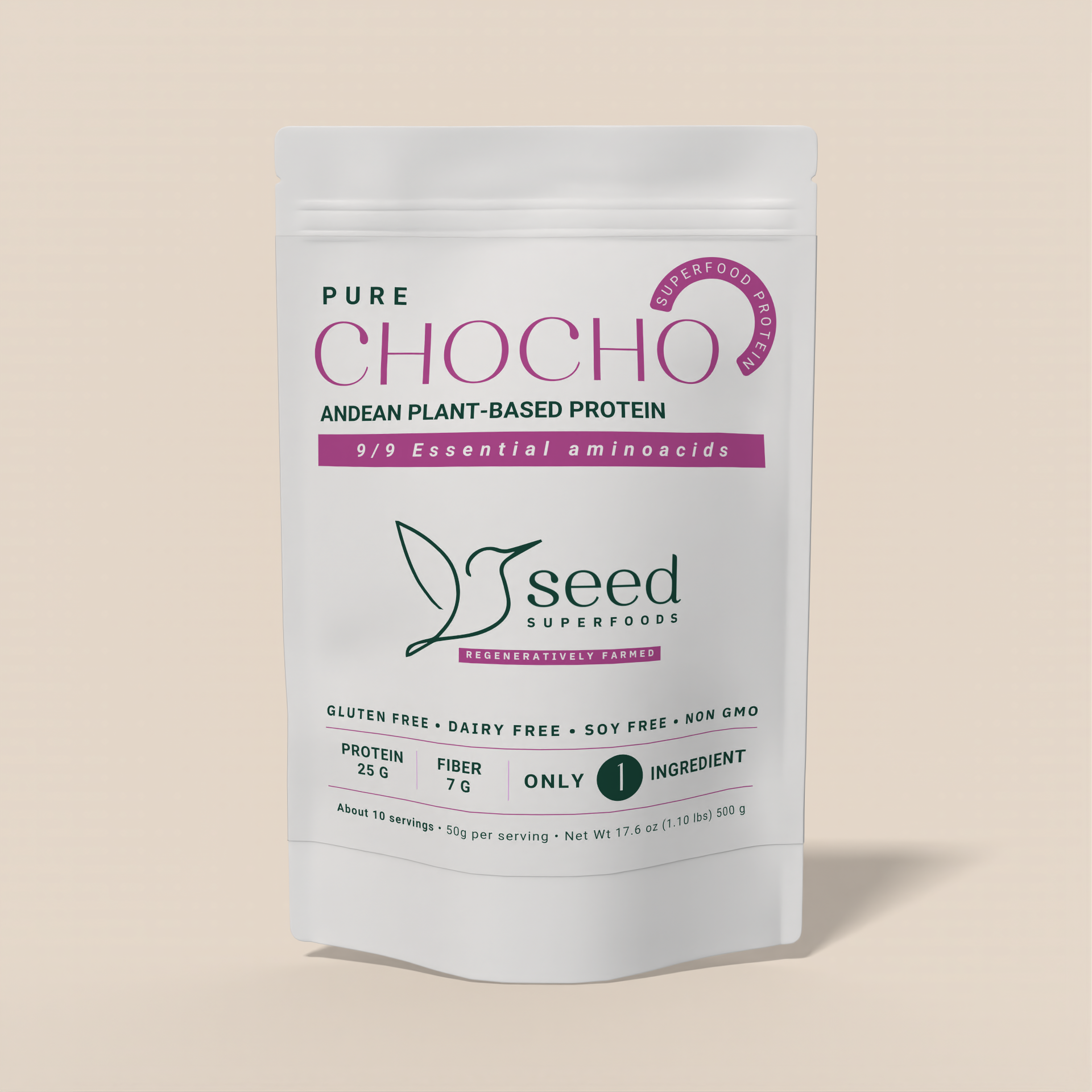
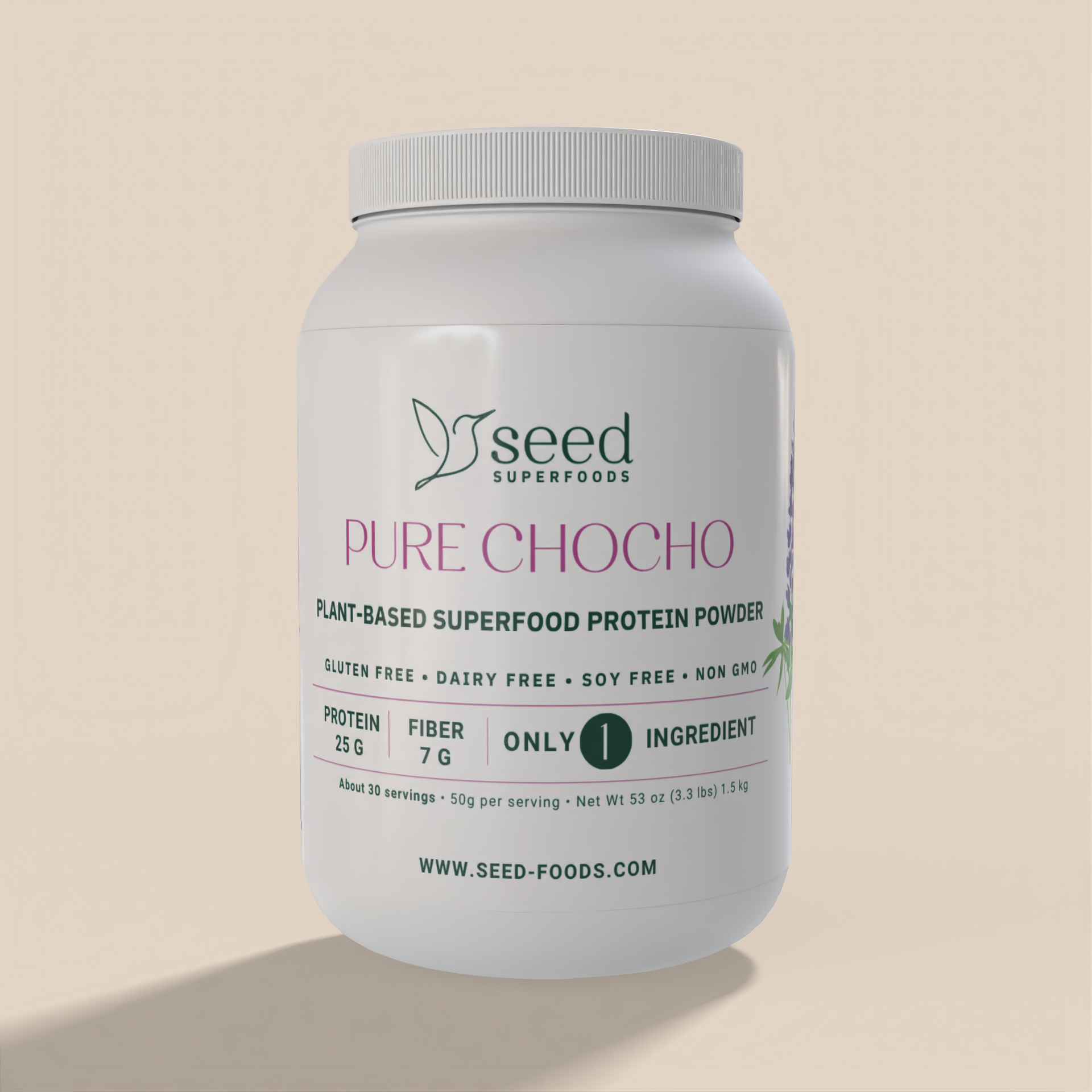
Most protein powders fail on the same two fronts: they upset your stomach or they taste like the inside of a vitamin bottle. Seed Foods takes a different route with chocho, a complete plant protein with all nine essential amino acids, free from fillers, gums, soy, and dairy, and designed for sensitive stomachs. Our naturally alkaline, single-ingredient formulas blend clean into any smoothie. Get started with Seed Foods and build a shake your gut actually thanks you for.
Frequently Asked Questions
What is the best vegan protein powder for smoothies?
The best vegan protein powder for smoothies blends smooth without clumping and delivers 20 to 25 grams of protein per serving. Single-ingredient options like chocho (tarwi) work well because they have a neutral flavor and no gums. Look for one with all nine essential amino acids, no added sugar, and a texture that mixes into a smooth consistency rather than a chalky or gritty shake.
Which vegan protein powder blends best in smoothies?
Powders with a fine grind and no added gums blend most smoothly. Unflavored single-ingredient powders, like Pure Tarwi Protein with 25g per serving, mix easily into smoothies, shakes, and recipes without altering taste. Pea and brown rice protein blends also mix well but can taste earthy. Add liquid first, then powder, and blend for 30 to 45 seconds to avoid clumping and grittiness.
How much vegan protein powder should I add to a smoothie?
One standard scoop, usually 25 to 35 grams of powder, delivers roughly 20 to 25 grams of protein and suits most smoothies. For a post-workout shake, one serving is enough for most adults. Start with one scoop and adjust based on your protein goals and the other ingredients in your blender.
Can vegan protein powder help build muscle?
Yes, plant protein can contribute to muscle building when total daily protein is sufficient. The key is a complete amino acid profile and enough total daily protein. Choose a powder with all nine essential amino acids, like chocho or a pea-rice blend, and aim for 20 to 25 grams per serving to support recovery and muscle growth.

Benefits of Ancestral Gut Support Supplements: What Evidence Shows
7 Ways to Get Enough Protein on a Vegan Diet
Related Posts

Plant Protein Powder vs Whey: Which Fits Your Body

How to Work Ancestral Superfoods Into Your Daily Meals

Chocho Protein Amino Acid Profile: What the Numbers Show

7 Ways to Get Enough Protein on a Vegan Diet

Benefits of Ancestral Gut Support Supplements: What Evidence Shows

Are Ancestral Probiotic Superfoods Good for Gut Health?


