
How to Work Ancestral Superfoods Into Your Daily Meals
Quick Summary
Add ancestral superfoods to meals you already eat, one at a time, starting with a teaspoon of a single food added to one meal a day. Good first choices include pumpkin seeds on yogurt, chia in oatmeal, or a scoop of protein in a smoothie. Increase portions slowly over a few weeks.
- Add one new food at a time, starting with one teaspoon in a single daily meal.
- Increase to one tablespoon or one scoop of protein in week two if it sits well.
- Introduce a second food in week three while keeping the first at its current amount.
- Add fiber-rich foods slowly and drink enough water to avoid bloating and gas.
- Store seeds airtight in a cool, dark place and discard them if they smell sharp or paint-like.
Table of Contents
- What Ancestral Superfoods Are and Where They Fit
- Start Small: Serving Sizes and a Gradual Introduction
- Ancestral Diet Breakfast Ideas You Can Make in Five Minutes
- Adding Superfoods to Smoothies, Salads and Main Dishes
- Ancestral Diet Recipes for Beginners: Preparation and Storage
- A Seven-Day Ancestral Diet Meal Plan With a Shopping List
- Building Your Ancestral Diet Food List on a Budget and With Restrictions
- Trying Chocho and Tarwi Protein in Your Next Meal
- Frequently Asked Questions
What Ancestral Superfoods Are and Where They Fit
Ancestral superfoods are whole, minimally processed foods eaten for generations, many grown in the Andes, Asia and other regions with long food traditions.
Treat ancestral superfoods as an addition to your meals, not a replacement.
The foods fall into a few broad groups:
- Legumes and seeds: chocho, tarwi, pumpkin seeds, chia seeds, hemp seeds
- Leafy greens and vegetables: kale, spinach, root vegetables
- Fruits: avocado, figs, mango
- Traditional fats and animal proteins: grass-fed meats, eggs, olive oil
Some, like maca and tocosh, are sold as powders or fermented foods rather than whole ingredients, so read labels closely.
Keep expectations realistic: no single food fixes a health problem.
Start Small: Serving Sizes and a Gradual Introduction
Add ancestral superfoods one new food at a time, which also helps you notice how your body responds, especially with a sensitive stomach.
A practical starting plan looks like this:
- Week 1: Add one teaspoon of a single new food to one meal a day.
- Week 2: If it sits well, increase to one tablespoon, or one scoop of protein.
- Week 3 and beyond: Add a second food, and keep the first at the amount you already tolerate.
Follow the label for serving sizes: one scoop for protein powder, a tablespoon for seeds.
Watch out: fiber-rich foods added too quickly can cause bloating and gas, even in people who eat well. Increase slowly and drink enough water.
Ancestral Diet Breakfast Ideas You Can Make in Five Minutes
Breakfast is the easiest meal to upgrade because it follows a routine, just add one ingredient to what you already make.
Here are a few quick options:
- Yogurt bowl: Plain yogurt, a spoon of pumpkin seeds, sliced fig and a drizzle of honey.
- Oatmeal upgrade: Cooked oats with a scoop of chocho protein, chia seeds and cinnamon.
- Avocado toast: Whole-grain toast, mashed avocado, hemp seeds and a boiled egg.
- Overnight soak: Chia seeds and milk soaked overnight, topped with mango in the morning.
Prep ahead when you can: portion seeds into small containers on Sunday, and overnight soaks keep in the fridge for about three days.
Adding Superfoods to Smoothies, Salads and Main Dishes
Smoothies. A neutral-tasting protein powder blends in easily.
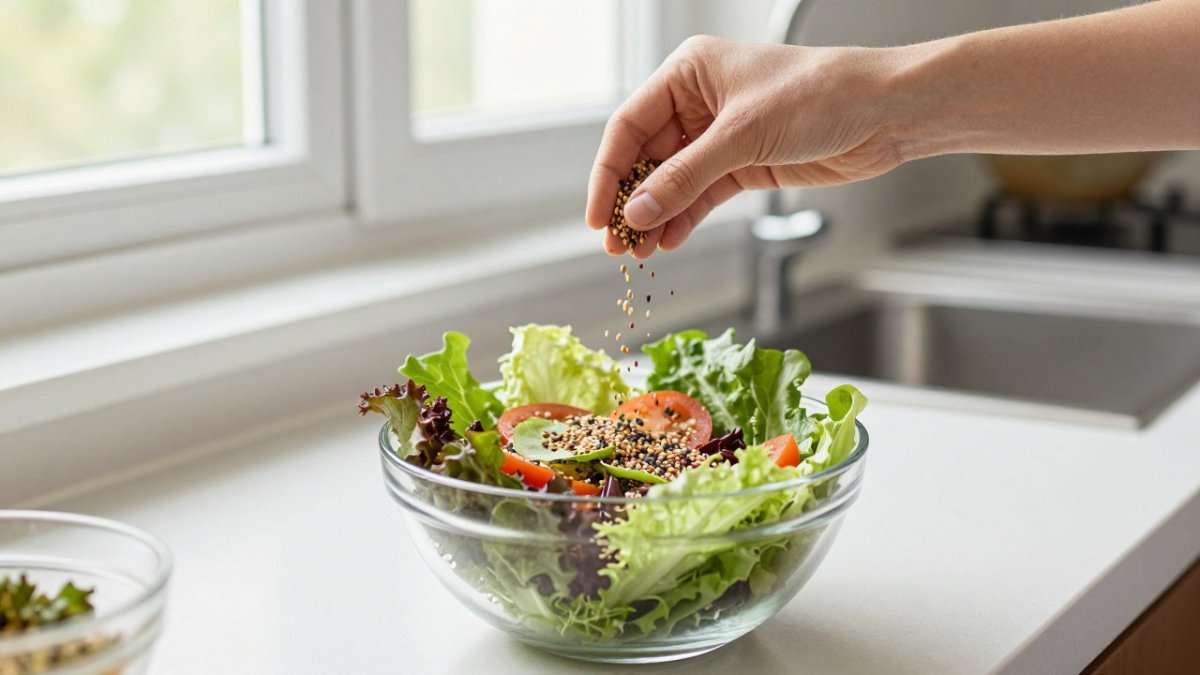
Salads. Sprinkle pumpkin seeds, chopped kale and a few slices of avocado over greens.
Main dishes. Stir a spoonful of ground seeds or a scoop of protein into soups, chili or mashed potatoes.
Pick one meal per day to upgrade. One upgraded meal is easier to keep up than changing every meal at once.
Ancestral Diet Recipes for Beginners: Preparation and Storage
Good preparation keeps ancestral foods tasty and safe. These basics apply to most recipes.
Seeds and nuts: Store in an airtight container in a cool, dark place.
Fermented foods like tocosh: Follow the storage directions on the package.
Cooked dishes: Refrigerate leftovers within two hours, eat within three to four days, and reheat until steaming hot.
A simple beginner recipe is a no-cook smoothie.
A Seven-Day Ancestral Diet Meal Plan With a Shopping List
This plan turns the advice above into one week of meals. Each day adds one or two ancestral superfoods to food you likely already eat, with a listed portion so you are not guessing.
| Day | Breakfast | Lunch | Dinner | Superfood focus and portion |
|---|---|---|---|---|
| 1 | 1 cup plain yogurt with 1 tbsp pumpkin seeds and 2 sliced figs | 2 cups kale salad with 1/2 avocado and 1 tbsp hemp seeds | 1 bowl chili with 1 tbsp ground pumpkin seeds stirred in | Pumpkin seeds, 2 tbsp total |
| 2 | 1 cup cooked oats with 1 scoop chocho or tarwi protein and 1 tsp chia | Leftover chili (1 bowl) | 4 oz baked salmon with 1 cup roasted root vegetables | Chocho or tarwi protein, 1 scoop (about 20-25 g protein) |
| 3 | 1 tbsp chia soaked overnight in 1 cup milk, topped with 1/2 cup mango | 1 turkey wrap with 1 tbsp hemp seeds | 2 cups stir-fry with leafy greens and 1/2 cup cooked rice | Chia, 1 tbsp; hemp, 1 tbsp |
| 4 | 1 slice whole-grain toast with 1/2 avocado and 1 tbsp hemp seeds | 1 bowl lentil soup (1 cup lentils) | 4 oz grass-fed beef with 1 medium sweet potato | Hemp seeds, 1 tbsp |
| 5 | 1 smoothie with 1 scoop protein, 1 cup spinach, 1 banana, 1 cup milk | 2 cups salad with 1 tbsp pumpkin seeds | Leftover stir-fry (1 bowl) | Protein, 1 scoop; pumpkin seeds, 1 tbsp |
| 6 | 1 cup yogurt with 1 tbsp chia and 1/2 cup berries | 1 chili wrap (1/2 cup chili in a tortilla) | 4 oz roast chicken with 1 cup kale | Chia, 1 tbsp |
| 7 | 2 eggs with 1 cup sautéed greens | 1 bowl soup with 1 tsp tocosh stirred in | 1 bowl slow-cooked stew with 1 tbsp ground seeds | Tocosh, 1 tsp; seeds, 1 tbsp |
How to use the plan. Cook once and eat twice: the chili on Day 1 becomes lunch on Day 2 and a wrap filling on Day 6; the stir-fry on Day 3 becomes lunch on Day 5. Batch-cook lentils and roasted root vegetables on the weekend so weeknight meals take minutes. If a portion feels large, start with half.
Shopping list for one adult, one week:
- Seeds and powders: pumpkin seeds, 1 cup; chia seeds, 1/2 cup; hemp seeds, 1/2 cup; chocho or tarwi protein powder, 1 container (about 10 scoops)
- Vegetables: kale, 1 bunch; spinach, 5 oz; mixed leafy greens, 5 oz; root vegetables (carrots, parsnips, beets), 2 lbs; avocados, 3; sweet potatoes, 2; garlic and onion, 1 each
- Fruits: figs, 4; mango, 1; bananas, 3; frozen berries, 1 bag; lemons, 2
- Proteins and dairy: plain yogurt, 32 oz; eggs, 6; salmon, 4 oz; grass-fed beef, 4 oz; chicken, 4 oz; lentils, 1 lb; turkey, 4 oz
Prep-ahead notes. On Sunday, portion seeds into seven containers, cook the lentils, roast the root vegetables, and soak the chia for Day 3. Cooked grains and lentils keep three to four days; freeze half the chili if you will not finish it by Day 4. Store seeds airtight away from heat, and smell hemp and flax before use, if sharp or paint-like, discard.
Substitutions. If you do not eat animal foods, replace salmon, beef, and chicken with an extra 1/2 cup of lentils or beans at each meal and add a second scoop of protein to one meal. If you are dairy-free, use oat or almond milk and dairy-free yogurt. If you have a nut allergy, check shared-equipment warnings on seeds and powders; seeds are not nuts, but cross-contact is possible in packing facilities.
What this plan does and does not do. It adds fiber, protein, and micronutrients from whole foods, and it keeps added sugar and highly processed snacks low.
Building Your Ancestral Diet Food List on a Budget and With Restrictions
You do not need specialty ingredients to eat this way.
Budget-friendly choices with rough costs. Prices vary by store and region, so treat these as planning ranges rather than quotes.
- Dried lentils and beans cost far less per serving than meat and provide protein plus fiber. A 1 lb bag of dried lentils typically makes about 10 half-cup cooked servings, which works out to well under $1 per serving in most stores.
- Frozen fruit and vegetables keep their nutrients and last longer than fresh. A 12 oz bag of frozen berries often costs less than a small fresh container and avoids waste.
- Seeds in bulk are usually cheaper per ounce than small packets. Buy pumpkin, chia, or hemp seeds from a bulk bin or a large bag, then portion them into smaller airtight containers at home.
- Store brands of oats, canned beans, frozen greens, and plain yogurt are usually the same food at a lower price. Compare the ingredient list, not the label design.
Substitutions for common restrictions. Match the swap to the job the ingredient is doing, protein, fat, crunch, or liquid, so the meal still works.
- Soy allergy: Choose protein powders that state they are soy-free, and read labels on tofu, tempeh, and soy sauce. Chocho and tarwi are legumes but not soy; if you have a legume allergy, talk to your allergist before trying them.
- Dairy-free: Use oat, almond, or pea milk in smoothies and oatmeal, and choose dairy-free yogurt with live cultures. Check that the yogurt is fortified with calcium and vitamin D if it replaces dairy most days.
- Nut allergy: Swap nut butter for sunflower seed butter, and use seeds instead of nuts for crunch. Read shared-equipment warnings on seed and powder packages; cross-contact in packing facilities is possible even when the ingredient itself is not a nut.
- Gluten-free: Use oats labeled gluten-free, and use rice, quinoa, or corn tortillas in place of wheat bread and wraps. Check that protein powders and seasonings do not contain gluten-derived fillers.
How to introduce a restricted or new food safely. Add one new food at a time, at a small portion, and wait two to three days before adding another. Keep a simple note of what you ate and how you felt. If you have a known allergy, introduce new foods at home with your prescribed medication nearby, and follow your allergist's advice rather than a general plan.
Watch out: "superfood" is a marketing term, not a medical category.
Trying Chocho and Tarwi Protein in Your Next Meal
Chocho and tarwi are Andean legumes that have been grown in the highlands for centuries. Seed Foods sells two products you can use right away:
- Pure Tarwi Protein, 25g plant protein, 1.1 lbs ($39.99). It has one ingredient, 25 grams of protein per serving and a neutral flavor that blends into smoothies and recipes.
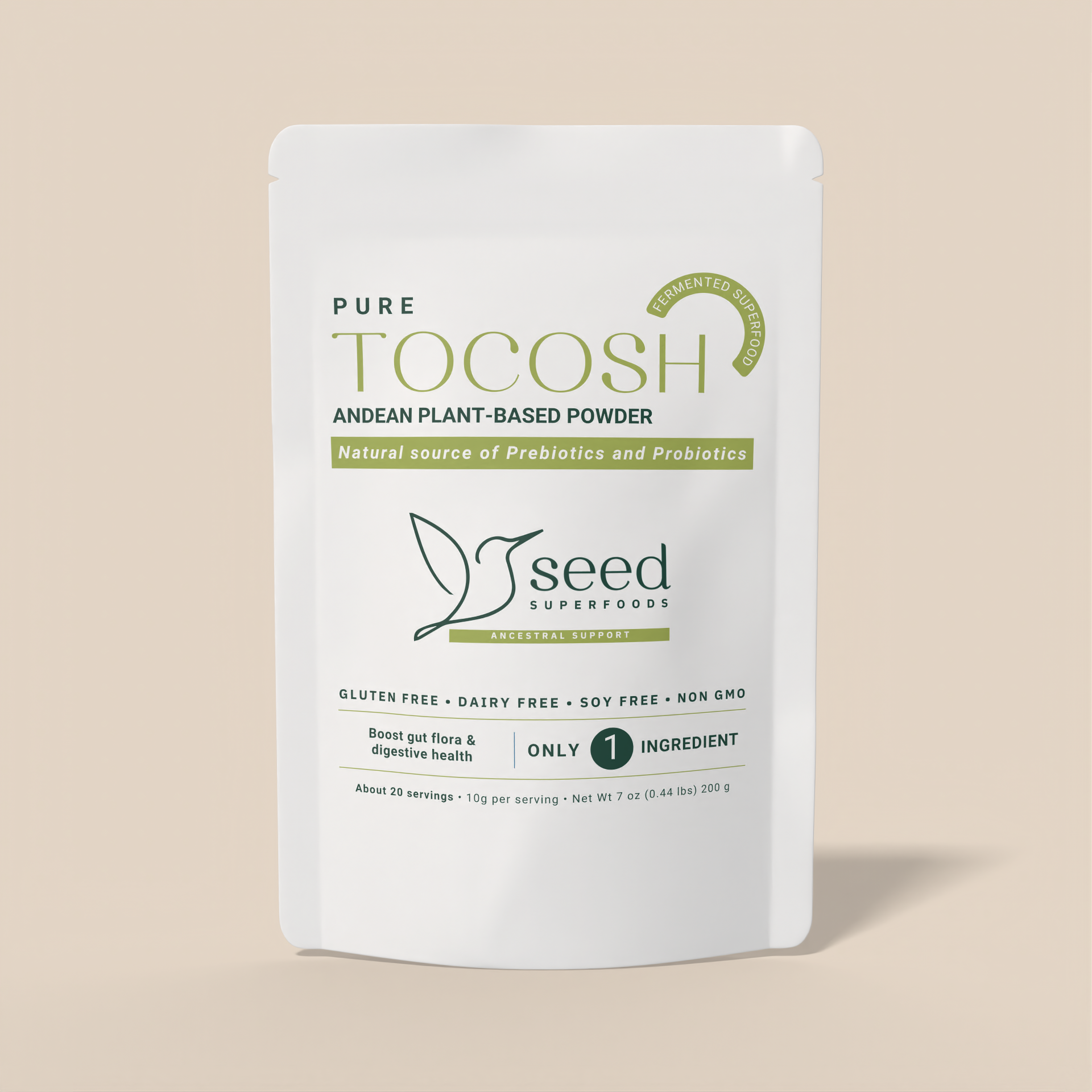
- Tocosh Probiotic Superfood for gut support ($28.99).
For a first try, stir a scoop of Pure Tarwi Protein into a smoothie.
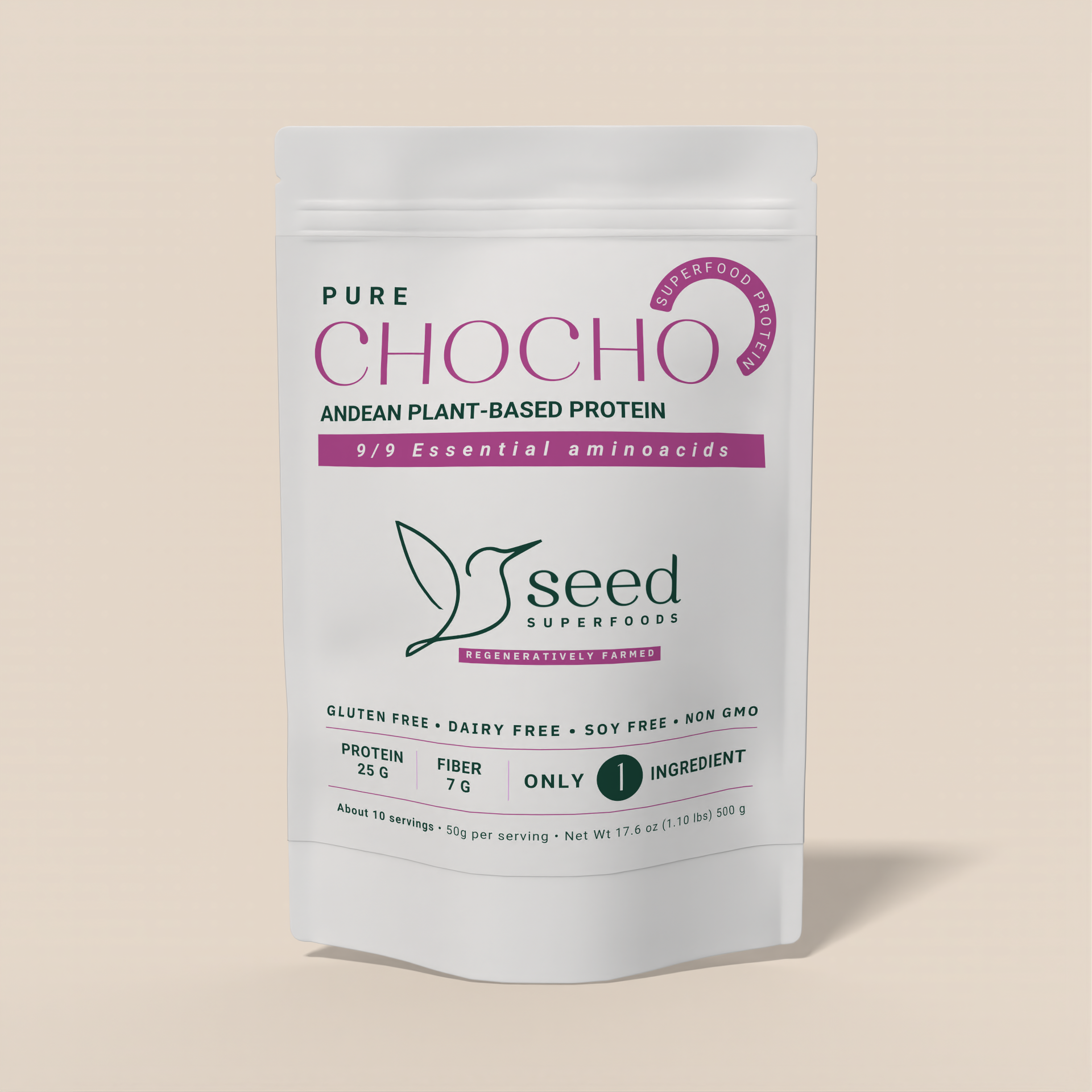
Chocho protein products are also available. Browse our 20g complete plant protein powered by chocho to see how it fits into your routine.
For a complete guide to ancestral foods, check the Dietary Guidelines for Americans from the U.S. Department of Agriculture, which explain how to build a balanced plate around vegetables, fruits, whole grains and protein.
Frequently Asked Questions
How can I add ancestral superfoods to everyday meals?
Start with one or two additions you already eat. Stir pumpkin seeds or chia into oatmeal, blend a spoonful of cacao or maca into a smoothie, or scatter seeds over a salad at lunch. Adding a food to a meal you already make is easier to sustain than building new recipes from scratch. Once a addition feels routine, add another. Keep portions modest at first, especially if you have digestive sensitivities, and increase them gradually over a few weeks.
What can I eat on an ancestral diet?
An ancestral diet centers on whole, minimally processed foods: animal proteins, traditional fats, leafy greens, fruits, seeds, and some whole grains or starchy vegetables. Foods like seeds, chia, hemp, and pumpkin seeds fit well because they add protein, fiber, and nutrients with little processing. Eliminating highly processed foods, added sugars, and refined oils is the most consistent rule across ancestral approaches. Exact food lists vary by version, so choose the rules that fit your health needs and preferences.
Can ancestral superfoods be added to smoothies and snacks?
Yes. Seeds such as chia and hemp blend smoothly and add fiber and protein. Cacao powder and maca add flavor and can be stirred into smoothies or oat bowls. For snacks, pumpkin seeds and fruit such as figs or mango pair well together. Start with a teaspoon or two per serving. Health claims about these foods are based on limited evidence, so treat them as nutrient-dense additions to a balanced diet rather than treatments.

Chocho Protein Amino Acid Profile: What the Numbers Show
Plant Protein Powder vs Whey: Which Fits Your Body
Related Posts

Plant Protein Powder vs Whey: Which Fits Your Body

Chocho Protein Amino Acid Profile: What the Numbers Show

7 Ways to Get Enough Protein on a Vegan Diet

Best Vegan Protein Powder for Smoothies in 2026

Benefits of Ancestral Gut Support Supplements: What Evidence Shows

Are Ancestral Probiotic Superfoods Good for Gut Health?


