

Chocho vs Whey Protein: Complete Comparison
Table of Contents
- Chocho vs Whey Protein at a Glance
- Chocho Protein Benefits and Nutritional Profile
- Chocho Protein Amino Acid Profile and Completeness
- Plant Protein vs Whey for Muscle Building
- Vegan Protein Powder for Sensitive Stomach: Chocho vs Whey
- Digestibility, Absorption, and Recovery
- Which One Should You Choose?
- Frequently Asked Questions
Last Updated: October 11, 2026
Chocho vs Whey Protein at a Glance
Chocho, an ancient Andean legume also known as tarwi, delivers complete plant-based protein with all nine essential amino acids. Whey protein, derived from milk during cheese production, has dominated the fitness industry for decades. The choice between chocho vs whey protein depends on your digestive system, dietary preferences, and fitness goals.
Both deliver 20-25 grams (chocho) or 20-30 grams (whey) per serving. The real difference emerges in how your body processes each one and which aligns with your digestive system and lifestyle.
| Aspect | Chocho Protein | Whey Protein |
|---|---|---|
| Source | Andean legume (plant-based) | Milk byproduct (dairy) |
| Protein per serving | 20-25g | 20-30g |
| Complete protein | Yes (all 9 amino acids) | Yes (all 9 amino acids) |
| Dairy-free | Yes | No |
| Soy-free | Yes | Yes |
| Digestibility | Gentle, alkaline | Fast-absorbing |
| Best for | Sensitive stomachs, plant-based diet | Muscle recovery, fast absorption |
| Price range | $39.99-$99.99 | Varies widely |
Chocho Protein Benefits and Nutritional Profile
Chocho protein delivers all nine essential amino acids in a single serving, unlike many plant proteins requiring multiple sources. Your muscles need all nine amino acids present simultaneously to build and repair effectively.

Chocho naturally contains fiber for digestive health and sustained energy, is naturally alkaline, and contains no added gums, fillers, or artificial ingredients.
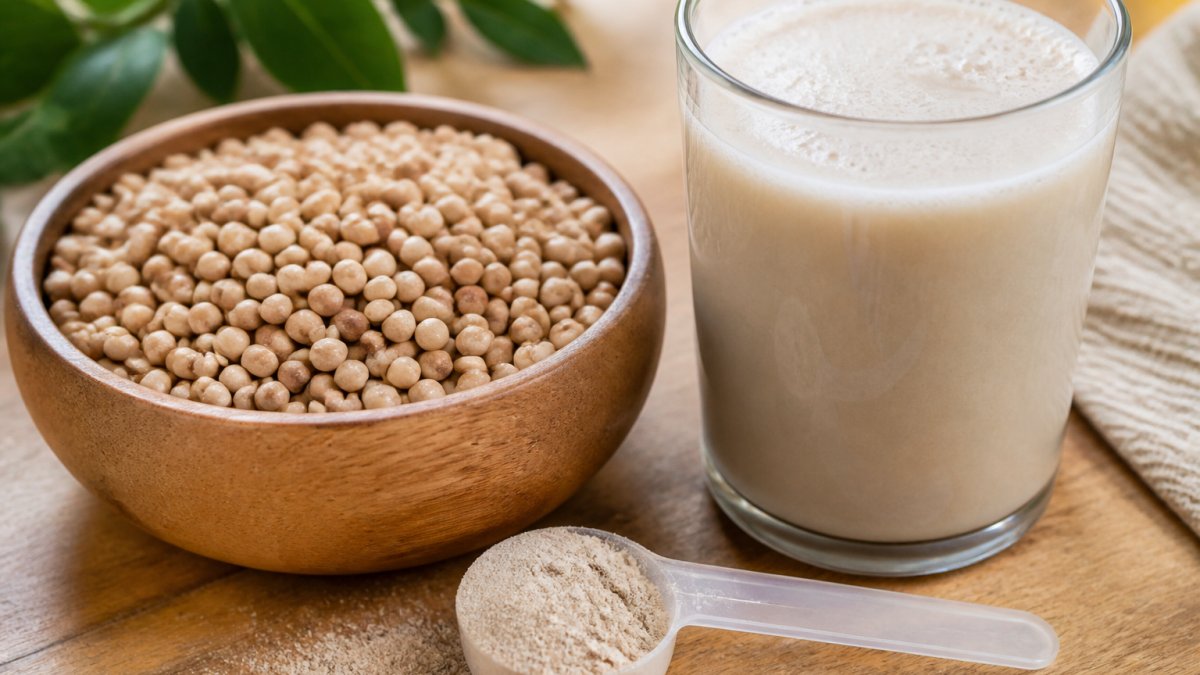
Chocho's naturally gentle composition makes it suitable for sensitive stomachs. One customer shared: "I discovered chocho in Peru during a time when my body was completely depleted. Struggling with pancreatic issues, there was not much food that I could eat. I weighed just 80 pounds and had almost no energy. Chocho wasn't a supplement, it was food. By drinking it once or twice a day, I slowly regained strength and nourishment without overwhelming my body."
For athletes, chocho's complete amino acid profile supports muscle adaptation to training stress, while natural fiber promotes satiety.
Chocho Protein Amino Acid Profile and Completeness
Chocho qualifies as a complete protein, relatively rare among plant-based sources, providing all nine essential amino acids needed for muscle synthesis, hormone production, and tissue repair in a single serving.
Unlike many plant proteins requiring multiple sources, chocho delivers all nine essential amino acids in a single serving, allowing efficient muscle protein synthesis without waiting for missing amino acids from other foods.
Amino Acid Composition and Leucine Content
Chocho provides approximately 1.8-2.2 grams of leucine per 25-gram serving, a branched-chain amino acid that triggers muscle protein synthesis. Research indicates 1.5-3.0 grams of leucine per serving activates mTOR signaling for muscle growth. Whey isolate delivers 2.5-3.0 grams, while chocho sits in the mid-to-lower portion of the effective range.
Chocho contains all three branched-chain amino acids (leucine, isoleucine, valine) in balanced ratios, representing 18-22% of total amino acids, comparable to whey protein.
Protein Digestibility and Amino Acid Availability
Whey protein isolate scores 1.0 on the PDCAAS scale (100% digestibility), while chocho scores 0.75-0.85 (75-85% absorption). This difference reflects chocho's fiber content and cell-wall structure, which slow digestion compared to whey.
A 25-gram chocho serving yields ~19-21 grams of absorbable amino acids, versus ~25 grams from whey. For most people doing one training session daily, this difference is negligible with adequate total daily protein intake. For athletes training twice daily, whey's superior absorption offers a measurable advantage.
Amino Acid Profile Beyond Muscle Building
Chocho's complete amino acid profile supports mood, sleep, antioxidant defense, collagen formation, bone health, and immune function. Simultaneous delivery of all nine amino acids allows your body to allocate them to diverse physiological needs rather than forcing prioritization of muscle synthesis.
For plant-based athletes, chocho eliminates the need to combine multiple plant proteins throughout the day, positioning it as a genuinely viable complete plant protein for muscle building.
Plant Protein vs Whey for Muscle Building
Both plant protein and whey support muscle growth when consumed in adequate amounts around training. The practical difference lies in absorption speed and pattern.
Whey protein is fast-digesting, with amino acids entering your bloodstream within 30-60 minutes, making it popular for immediate post-workout recovery.
Chocho digests gradually, providing sustained amino acid release over several hours rather than a sharp spike. For many athletes, this steady-state approach supports better overall muscle protein balance throughout the day.
Chocho eliminates the limitation of incomplete plant proteins by delivering all nine amino acids in every serving, without the dairy component that causes digestive distress in many people.
Chocho provides a complete amino acid profile without soy, making it a viable alternative to whey for plant-based athletes pursuing serious muscle-building goals.
Vegan Protein Powder for Sensitive Stomach: Chocho vs Whey
Whey protein causes bloating and digestive distress in many people due to lactose or casein sensitivity. Even lactose-free whey can be difficult to digest.
Chocho is naturally free from dairy, soy, and common allergens.
Chocho has been consumed for generations in the Andes.
Pure Tarwi Protein | 25G Plant Protein | 1.1 LBS →
If whey makes you bloat, you need a fundamentally different protein source. Chocho is plant-based, complete, and gentle on the digestive system simultaneously, a combination most vegan protein powders struggle to achieve.
When evaluating vegan protein powder for sensitive stomach needs, check for added gums, fillers, or processing aids. Seed Foods' Pure Tarwi Protein contains just one ingredient: tarwi (chocho).

Digestibility, Absorption, and Recovery
Both chocho and whey are highly digestible but work through different absorption kinetics, the timing and pattern of amino acid release into your bloodstream.
Absorption Timing and Peak Amino Acid Availability
Whey isolate reaches peak amino acid concentration within 30-60 minutes, remaining elevated for 90-120 minutes. This rapid spike efficiently triggers muscle protein synthesis, making whey the preferred choice for immediate post-workout recovery.
Chocho exhibits slower gastric emptying due to its 3-5 grams of fiber per serving. Peak amino acid concentration occurs 90-150 minutes after consumption, remaining elevated for 3-5 hours, providing steady amino acid supply over several hours.
Recovery Outcomes: Spike vs. Sustained Release
Muscle protein synthesis doesn't require a narrow post-workout window. Research shows muscles remain responsive to amino acids for 24-48 hours after training. What matters most for muscle growth is total daily protein intake and consistent consumption around training sessions.
For most people doing one training session daily, chocho's sustained amino acid release supports better overall muscle protein balance and may reduce muscle protein breakdown between meals.
For athletes doing multiple training sessions in a single day (common in CrossFit, competitive sports, or endurance training), whey's rapid absorption offers measurable advantages. The quick amino acid spike supports efficient muscle protein synthesis between sessions, and the shorter elevation window means amino acids are available again sooner for the next training stimulus. In these scenarios, whey's kinetics provide a practical edge.
Fiber Content and Digestive Comfort
Chocho's naturally occurring fiber (3-5 grams per serving) slows gastric emptying and extends amino acid absorption, but it also supports digestive health and satiety. The fiber content means chocho keeps you feeling fuller longer after consumption, an advantage if you're managing caloric intake or avoiding hunger between meals. Whey protein contains minimal fiber (typically 0-1 gram per serving), so it provides rapid amino acid delivery without the satiety benefit.
For people with sensitive stomachs, the fiber in chocho can be either an advantage or a challenge depending on individual tolerance. The gradual gastric emptying reduces the sudden influx of protein that sometimes triggers bloating or cramping in whey-sensitive individuals. However, people with irritable bowel syndrome, inflammatory bowel disease, or severe digestive conditions may need to start with smaller chocho servings (10-15 grams) to assess tolerance before reaching full serving sizes.
Recovery Beyond Muscle Protein Synthesis
Recovery extends far beyond muscle repair. Chocho's complete amino acid profile means your body has everything needed for comprehensive recovery, not just muscle protein synthesis.
Both proteins deliver the same nine essential amino acids; the difference is timing and pattern, not composition.
Which One Should You Choose?
The decision between chocho and whey protein ultimately reflects your individual circumstances rather than one being objectively superior. Choose whey protein if you prioritize rapid post-workout absorption, tolerate dairy well, and want the most researched protein source in fitness. Whey has decades of use data and proven effectiveness for muscle building.
Choose chocho protein if you experience digestive issues with whey, follow a plant-based diet, need a complete plant protein without soy, or prefer whole-food-based supplements without gums and fillers. Chocho delivers all nine essential amino acids in a single serving, making it genuinely complete without requiring food combining.
For sensitive stomachs specifically, chocho protein offers advantages whey cannot match. The naturally gentle composition, alkaline pH, and absence of processing-induced irritants make it the better choice if conventional proteins cause bloating or discomfort. One serving of Pure Tarwi Protein delivers 25 grams of complete plant protein with just one ingredient.
Cost considerations matter too. Chocho protein ranges from $39.99 for a 1.1-pound container to $99.99 for a 3.3-pound bulk option, with each serving delivering 20-25 grams of complete protein. Compare this against your current protein source and calculate cost per serving. Many people find the digestive benefits justify the investment, especially if they've struggled with bloating from cheaper alternatives.
The real test is personal tolerance. If whey works for you and you absorb it well, there's no compelling reason to switch. If whey causes digestive distress, bloating, or energy crashes, chocho protein represents a genuinely different option rather than just another plant-based alternative. Your digestive system's response is the deciding factor.
Choosing the right protein source shapes your daily comfort and long-term fitness results. If conventional whey protein leaves you bloated or uncomfortable, chocho protein offers a complete plant-based alternative that actually works with your sensitive stomach rather than against it. Seed Foods' chocho protein products provide all nine essential amino acids in single-ingredient formulations designed specifically for easy digestion and sustained energy. Shop our chocho protein collection and experience how real nourishment can support your strength and vitality without the digestive compromises.
Frequently Asked Questions
Is chocho protein as effective as whey for building muscle?
Chocho protein contains all nine essential amino acids needed for muscle growth, including leucine, which triggers muscle protein synthesis. A 25g serving of chocho protein delivers complete amino acid support comparable to whey. The key difference is absorption speed: whey absorbs faster (ideal immediately post-workout), while chocho's slower digestion provides sustained amino acid availability. Both can support muscle building when paired with consistent training and adequate total protein intake.
Why does chocho protein work better for sensitive stomachs than whey?
Whey protein comes from dairy milk, which contains lactose and milk proteins that trigger bloating, gas, and digestive discomfort in many people. Chocho is a plant-based legume naturally free from dairy, lactose, and common allergens.
Does chocho protein contain all nine essential amino acids?
Yes. Chocho (tarwi) is one of the few plant-based legumes that contains all nine essential amino acids in meaningful amounts, making it a complete protein source. This is rare among plant proteins; most require combining multiple sources to achieve completeness. The amino acid profile includes leucine, isoleucine, and valine (branched-chain amino acids crucial for muscle recovery), matching whey's amino acid diversity.
How much chocho protein do I need per serving for workout recovery?
One serving of Pure Tarwi Protein delivers 25 grams of protein, which meets standard post-workout recovery needs for most adults. Research suggests 20-40g of protein post-exercise supports muscle repair. Chocho's complete amino acid profile means a single serving provides all essential amino acids your muscles need. For athletes over 200 pounds or those doing intense strength training, consider two servings or pairing with whole food protein sources.
Complete Amino Acids in Plant Foods: A 2026 Guide
How to Improve Gut Health Naturally: A Complete Guide
Related Posts

Chocho Beans vs Lupini Beans for Nutrition and Taste

Plant Protein Powder vs Whey: Which Fits Your Body

How to Work Ancestral Superfoods Into Your Daily Meals

Chocho Protein Amino Acid Profile: What the Numbers Show

7 Ways to Get Enough Protein on a Vegan Diet

Best Vegan Protein Powder for Smoothies in 2026

Benefits of Ancestral Gut Support Supplements: What Evidence Shows


