
Clean Plant Protein No Fillers: 7 Best Options for 2026
Table of Contents
- Why Clean Plant Protein No Fillers Matters More Than Ever
- How to Read Protein Powder Ingredients Like a Pro
- Quick Comparison: 7 Clean Plant Protein No Fillers Picks
- 1. Pure Tarwi Protein (1.1 lbs): Best Single-Ingredient Option
- 2. Pure Tarwi Protein (3.3 lbs): Best Value for Daily Use
- 3. Cacao Tarwi Protein: Best for Chocolate Lovers
- 4. Lucuma Tarwi Protein: Best Naturally Sweetened Option
- 5. Sunflower Vanilla Protein Bar: Best Nut-Free Snack
- 6. Almond Cacao Superfood Bar: Best for Sustained Energy
- 7. Peanut Butter Superfood Bar: Best Pre/Post-Workout Snack
- Frequently Asked Questions
Last Updated: October 13, 2026
Why Clean Plant Protein No Fillers Matters More Than Ever
Walk down any supplement aisle and you'll see the same promise on nearly every tub: plant-based, natural, wholesome. That gap is why clean plant protein no fillers has become the standard serious shoppers demand.

The category markets itself on purity, yet many products lean on additives to fix texture, sweetness, and mixability problems that shouldn't exist. The fix isn't a better claim, it's a shorter ingredient list.
This guide breaks down how to read a protein label and what "filler-free" actually means.
How to Read Protein Powder Ingredients Like a Pro
Reading a protein label comes down to three things: what's listed first, what's listed last, and what's missing.
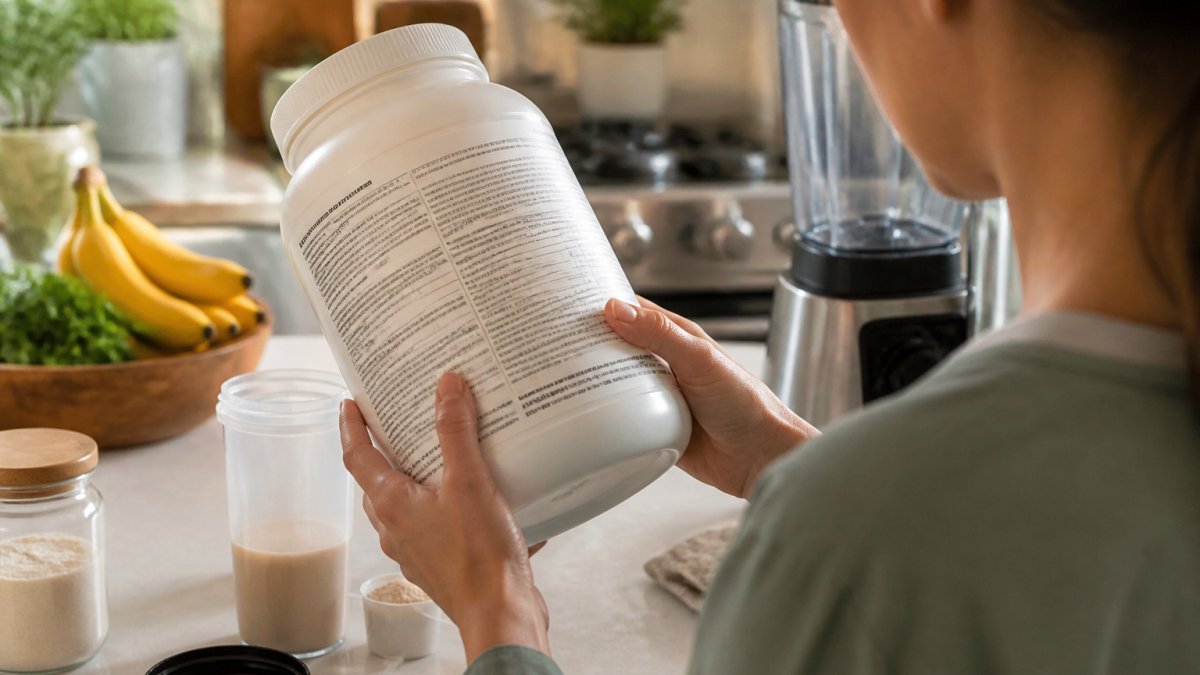
If "pea protein isolate" or "brown rice protein" leads the list, you're on track.
Look for a protein isolate or simple protein blend with recognizable sources: pea, brown rice, hemp, or quinoa protein. Then check protein per serving against serving size.
The FDA guidance on nutrition and supplement labeling is worth bookmarking, because it explains exactly what manufacturers are and aren't required to disclose on a Supplement Facts panel.
Filler vs. Functional: A Practical Definition
Most "avoid fillers" advice never defines the term, so shoppers cut ingredients that earn their place:
- A filler is added to bulk up volume, cut cost, or mask a texture problem the base protein shouldn't have. It adds no nutrition and no function you couldn't get from the protein itself.
- A functional ingredient solves a real problem, keep a powder from clumping, prevent spoilage, or deliver a nutrient the base protein lacks. It has a job, and you can name it.
The gray zone is where labels hide. Xanthan gum is functional in a thin isolate that would otherwise separate in water, but a filler in a powder that already mixes clean. "Natural flavors" is functional only in that it makes a bland base palatable; it's a filler as the fourth ingredient in an unflavored product. The test isn't the ingredient name, it's whether the formula needs it.
The Fillers and Additives to Watch For
Fillers bulk up a product, improve texture, or cut cost, not add nutrition. Common ones: maltodextrin, cellulose gum, xanthan gum, and "natural flavors," a catch-all that can hide dozens of undisclosed compounds. Here's the checklist we use when scanning any label:
- Gums (xanthan, guar, acacia): used for texture, often linked to bloating in sensitive stomachs
- Maltodextrin and dextrose: cheap bulking agents with a high glycemic impact
- "Natural flavors": legally vague, so you can't verify what's inside
Sweeteners and Gums: The Trade-Offs Nobody Explains
If you want a short ingredient list, sweeteners and gums are where the decisions happen:
- Stevia: plant-derived, zero calories, no glycemic impact. The trade-off is a bitter, licorice-like aftertaste some people taste strongly and others don't taste at all.
- Monk fruit: also plant-derived and zero-calorie, with a cleaner, fruitier sweetness and less bitterness than stevia. It costs more, which is why fewer budget powders use it.
- Sugar alcohols (erythritol, xylitol, maltitol): low-calorie and effective, but erythritol and maltitol commonly trigger bloating and laxative effects in sensitive people. Xylitol is also toxic to dogs (Xylitol Is Toxic To Dogs).
The takeaway: a clean formula doesn't need a sweetener if the protein tastes neutral, or a gum if it mixes clean. When you see both, ask what problem they solve, and whether a better base protein would have solved it for free.
What a Clean Label Actually Looks Like
A clean label is short, recognizable, and free of anything added purely for texture or shelf life. The gold standard is one ingredient. A strong second is a handful of whole-food ingredients you could buy yourself.
This matters most for vegan protein powder for sensitive stomachs. Gums and sugar alcohols are frequent culprits behind bloating people blame on "plant protein." Strip them out and the discomfort often disappears.
Beyond the Label: Testing and Contaminants
A short ingredient list tells you what's in the tub, not what's in the soil the plants grew in. Plant proteins, especially rice and pea, can carry heavy metals like lead, cadmium, and arsenic taken up from the ground. Most "clean label" guides skip this gap. Here's how to close it:
- Look for third-party testing. A brand that tests its finished product through an independent lab, not just its raw ingredients, is doing more than the law requires.
- Ask for a certificate of analysis (COA). A COA is the lab document showing what was tested and the results. Reputable brands publish these or share them on request.
- Check for a heavy-metal panel. The useful COA lists lead, cadmium, arsenic, and mercury with measured levels, not just a pass/fail stamp.
If a brand can't or won't show a COA, that's your answer. A single-ingredient protein from a named source is easier to trace than a ten-ingredient blend, one more reason short labels tend to be safer labels.
Quick Comparison: 7 Clean Plant Protein No Fillers Picks
Every pick below is filler-free and comes from the Seed Foods lineup. Here's the at-a-glance breakdown.
Pure Tarwi Protein | 25G Plant Protein | 1.1 LBS →
| Product | Serving Size | Protein | Ingredients | Sweetener | Testing | Dietary Fit | Price | Price / Serving | Best For |
|---|---|---|---|---|---|---|---|---|---|
| Pure Tarwi Protein (1.1 lbs) | 1 scoop | 25g | 1 | None | Third-party, COA available | Vegan, soy-free, dairy-free, gluten-free | $39.99 | ~$2.86 (14 servings) | Single-ingredient purity |
| Pure Tarwi Protein (3.3 lbs) | 1 scoop | 25g | 1 | None | Third-party, COA available | Vegan, soy-free, dairy-free, gluten-free | $99.99 | ~$3.33 (30 servings) | Daily value |
| Cacao Tarwi Protein | 1 scoop | 20g | 7 | None added | Third-party, COA available | Vegan, soy-free, dairy-free, gluten-free | $39.99 | ~$2.86 (14 servings) | Chocolate lovers |
| Lucuma Tarwi Protein | 1 scoop | 20g | 6 | Lúcuma (whole fruit) | Third-party, COA available | Vegan, soy-free, dairy-free, gluten-free | $39.99 | ~$2.86 (14 servings) | Natural sweetness |
| Sunflower Vanilla Bar | 1 bar | 20g | Whole-food | Honey | Third-party, COA available | Nut-free, gluten-free, contains honey (not vegan) | $5.99 | $5.99 | Nut-free snacking |
| Almond Cacao Bar | 1 bar | 20g | Whole-food | Dates | Third-party, COA available | Vegan, contains almonds | $5.99 | $5.99 | On-the-go energy |
| Peanut Butter Bar | 1 bar | 16g | Whole-food | Honey | Third-party, COA available | Contains peanuts and honey (not vegan) | $5.99 | $5.99 | Pre/post-workout |
How to Read This Table by Use Case
A single ranked list treats every shopper the same. Pick by what you actually need:

- Unflavored, maximum flexibility: Pure Tarwi Protein, either size. One ingredient, neutral taste, disappears into anything.
- Allergies (soy, dairy, gluten, nuts): the powders are free of all four. Among the bars, Sunflower Vanilla is the nut-free pick; Almond Cacao and Peanut Butter are not.
- Sensitive digestion: start with the one-ingredient powders. No gums, no sugar alcohols, no emulsifiers, the three most common bloating triggers.
What This Table Doesn't Tell You
A comparison grid is only as honest as its gaps. Verify two things before buying any brand:
- The certificate of analysis. Ask for the batch-specific COA and check that it lists heavy metals (lead, cadmium, arsenic, mercury) with measured levels. A pass/fail stamp isn't enough.
- The actual serving size. Protein per serving means nothing without it. A 25g scoop and a 40g scoop delivering the same protein are very different products, the larger scoop is mostly filler or flavoring.
Every column here is verifiable on the label or by asking the brand.
1. Pure Tarwi Protein (1.1 lbs): Best Single-Ingredient Option
If you want the shortest ingredient list in the category, this is it. One ingredient: Tarwi. No gums, no fillers, no artificial ingredients. It delivers 25 grams of plant-based protein per serving and naturally contains fiber.
The flavor is neutral, which is the point, it disappears into smoothies, shakes, oatmeal, and recipes without fighting what you blend it with. For anyone burned by chalky, over-flavored powders, the blank canvas is a feature.
2. Pure Tarwi Protein (3.3 lbs): Best Value for Daily Use
Same formula, bigger container: 30 servings of 25 grams of complete protein, all nine essential amino acids, still one ingredient. At $99.99, this is the pick for daily drinkers, better per serving than the 1.1-pound size, and the unflavored profile means you won't get bored. Add it to smoothies, oatmeal, yogurt, or baking.
3. Cacao Tarwi Protein: Best for Chocolate Lovers
Chocolate flavor usually means a long ingredient list. This one keeps it to seven: Tarwi, cacao, and a short supporting cast. It delivers 20 grams of protein per serving with all nine essential amino acids, and it's easy to digest. No gums, no fillers, no added sugar, and it's dairy-free and soy-free, the cacao does the heavy lifting on flavor without a sweetener or gum holding it together.
4. Lucuma Tarwi Protein: Best Naturally Sweetened Option
Most "naturally sweetened" powders still lean on a sweetener. This one uses lúcuma, a traditional Peruvian fruit with a naturally sweet, caramel-like flavor. Six ingredients total, 20 grams of protein, all nine essential amino acids, no added sugar. It's dairy-free, soy-free, easy to digest, and free of gums and fillers, sweetness without a sugar alcohol or synthetic sweetener.
5. Sunflower Vanilla Protein Bar: Best Nut-Free Snack
Not every clean protein source comes in a tub. This bar blends gluten-free oats, chocho protein, honey, vanilla extract, and sunflower seed butter for a nut-free snack with 20 grams of protein. It's 100% natural with no artificial additives, high in fiber, calcium, and iron. For parents packing lunches or anyone with a nut allergy, the nut-free formulation is the whole reason to choose it.
6. Almond Cacao Superfood Bar: Best for Sustained Energy
This bar combines cacao chocho protein, dates, almond butter, and flaxseeds for 20 grams of plant-based protein with all essential amino acids. Dates provide steady energy; flaxseeds add fiber. It's 100% natural with no artificial additives, and dates and almond butter give it a richer, denser texture than the sunflower vanilla bar, a solid mid-afternoon snack that holds you until dinner.

7. Peanut Butter Superfood Bar: Best Pre/Post-Workout Snack
Peanut butter, honey, pure chocho protein, rolled oats, and 70% cacao quinoa pops deliver 16 grams of protein per bar. It's 100% natural with no artificial additives, high in fiber, calcium, and iron, and built for sustained energy around training. The nutty flavor and quinoa pop crunch make it the most satisfying bar of the three.
Frequently Asked Questions
What is a filler in protein powder?
Fillers are ingredients added to protein powder to bulk up volume, improve texture, or extend shelf life without adding nutritional value. Common examples include maltodextrin, cellulose gum, xanthan gum, and silica. These additives can cause bloating or digestive discomfort in some people. A clean plant protein no fillers product will list only the protein source and perhaps a natural flavor or sweetener, nothing else.
How can I tell if a plant protein powder has unnecessary additives?
Flip the container and read the ingredient list. If you see more than five or six items, or anything you cannot pronounce, it likely contains additives. Look for gums (xanthan, guar, cellulose), artificial flavors, added sugars, and preservatives. A clean label will name the protein source first and keep the rest minimal. For example, Pure Tarwi Protein lists one ingredient: Tarwi.
Is plant protein powder without fillers better for sensitive stomachs?
Yes, for many people. Fillers like gums and sugar alcohols can trigger bloating, gas, and cramping. Vegan protein powder for sensitive stomachs often uses simpler formulas that are easier to digest. Choosing a product with no gums or fillers, like those made from chocho (Andean lupin), can reduce the chance of discomfort. Start with a small serving to see how your body responds.
Do I need a complete plant protein powder?
A complete plant protein powder contains all nine essential amino acids your body cannot make on its own. Most single-source plant proteins, like pea or rice, are incomplete. Blends or certain legumes like chocho (Tarwi) are naturally complete. If you use protein powder as a significant part of your intake, choosing a complete option ensures you get the full spectrum of amino acids for muscle repair and overall health.
Can I take plant protein without working out?
Absolutely. Protein supports many bodily functions beyond muscle recovery, including immune health, hormone production, and satiety. A clean plant protein no fillers powder can be a convenient way to meet your daily protein needs, whether you exercise or not. It works well in smoothies, oatmeal, or baking. Just adjust your total intake to match your activity level and goals.
How to Improve Gut Health Naturally: A Complete Guide
Chocho Protein Powder for Athletes: Complete Guide
Related Posts

Chocho Beans vs Lupini Beans for Nutrition and Taste

Plant Protein Powder vs Whey: Which Fits Your Body

How to Work Ancestral Superfoods Into Your Daily Meals

Chocho Protein Amino Acid Profile: What the Numbers Show

7 Ways to Get Enough Protein on a Vegan Diet

Best Vegan Protein Powder for Smoothies in 2026

Benefits of Ancestral Gut Support Supplements: What Evidence Shows


