
How to Choose a Clean Label Protein Bar
Last Updated: October 28, 2026
Quick Summary
To choose a clean label protein bar, check the serving size first, then read the ingredient list in order and compare grams of protein to grams of added sugar. Look for whole-food ingredients like nuts, seeds, dates, oats, and chocho or lupin protein, and avoid added sugars, sugar alcohols, artificial sweeteners, seed oils, and protein isolates.
- Every number on the Nutrition Facts panel is per serving, not per bar, so confirm servings per container first.
- Ingredients are listed by weight, descending, so the first three tell you what the bar actually is.
- A bar with 5 or more grams of fiber per serving is doing real work, but favor fiber from dates, oats, flax, and chicory root.
- Compare protein to added sugar: 15 grams of protein and 4 grams of added sugar beats the reverse.
- Certifications like USDA Organic answer specific questions but do not guarantee a low-sugar or additive-free bar.
Table of Contents
- What Makes a Protein Bar Clean Label
-
How to Read Protein Bar Nutrition Labels
- Step 1: Check the serving size first
- Step 2: Read the ingredient list in order
- Step 3: Evaluate the protein, amount and source
- Step 4: Check fiber, and what kind
- Step 5: Compare added sugar to protein
- Step 6: Scan for the red-flag ingredients
- Step 7: Check certifications, but do not rely on them
- The label traps competitors do not mention
- Clean Label Protein Bar Ingredients Worth Seeking Out
- Protein Bar Ingredients to Avoid
- Why Plant-Based Protein Bars Suit Sensitive Stomachs
- Matching the Bar to the Moment: Post-Workout, Meal Replacement, or Snack
- Build Your First Clean Label Bar Order
- Frequently Asked Questions
What Makes a Protein Bar Clean Label
A clean label protein bar is a snack made with recognizable, minimally processed ingredients and no artificial additives. The term "clean label" is not a regulated legal definition, though. The FDA does not define it, so brands use it as a marketing claim.
That matters more than most shoppers realize. According to Glanbia Nutrition's 2025 consumer study, 70% of consumers judge whether a product is clean label by checking the ingredient list, while 51% rely on packaging messages. The ingredient list is the more honest of the two.
At Seed Foods, our bars are made with chocho, an ancient Andean lupin.
How to Read Protein Bar Nutrition Labels
Most shoppers read the front of the wrapper and stop. That is exactly what the packaging is designed for. A clean-label decision starts on the back.
Step 1: Check the serving size first
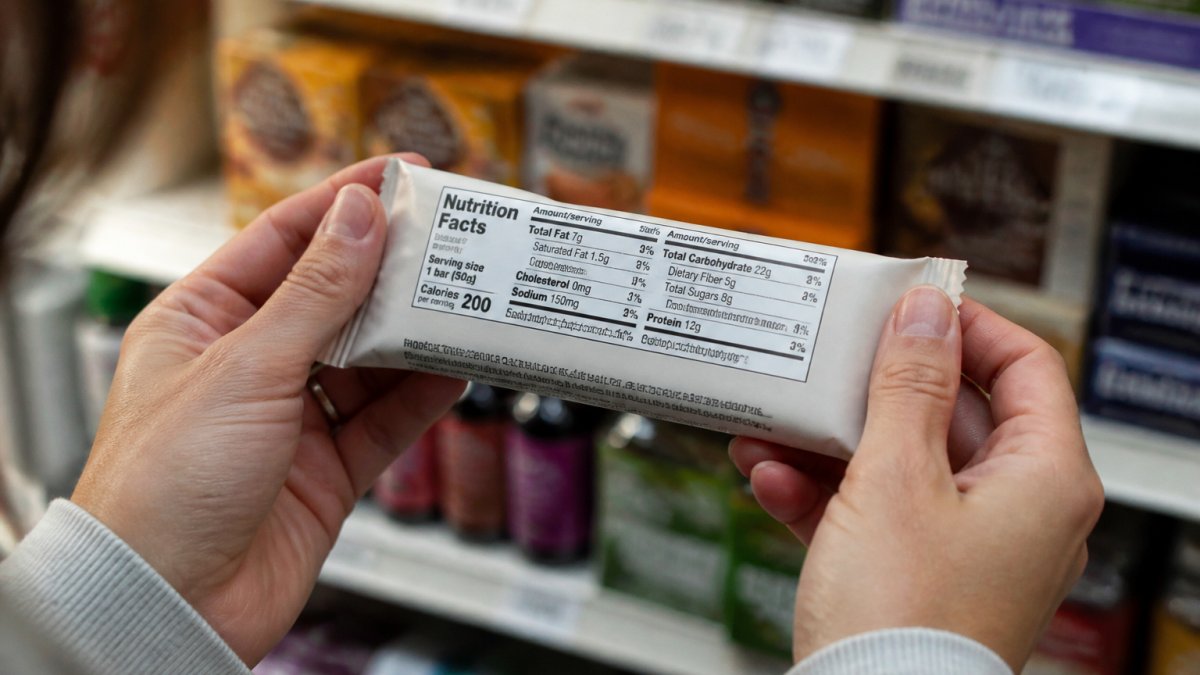
Every number on the Nutrition Facts panel is per serving, not per bar. A bar that lists 10 grams of protein may be two servings, meaning the whole bar delivers 20 grams of protein but also double the sugar, calories, and fat. Before you compare anything, confirm whether the bar is one serving or more. This single step catches more label traps than any other.
Step 2: Read the ingredient list in order
Ingredients are listed by weight, descending. The first three ingredients tell you what the bar actually is. If sugar, a syrup, or a protein isolate sits in the top three, the bar is built around that ingredient. If the top three are nuts, seeds, dates, or whole grains, you are looking at a food-based bar.
A practical filter: count the ingredients.
Step 3: Evaluate the protein, amount and source
Amount is only half the story. Source matters just as much:
- Complete proteins contain all nine essential amino acids. Whey, egg, soy, and lupin (chocho) are complete. Pea and rice are incomplete on their own but complementary when combined.
- Whole-food proteins (nuts, seeds, lupin, chickpea) come with fiber and micronutrients attached. Isolates do not.
- Collagen is not a complete protein, it lacks tryptophan, so a collagen bar is a poor choice if protein quality is the goal.
A bar with 20 grams of whey isolate is not equivalent to a bar with 20 grams of lupin and almond protein, even though the number on the front is the same.
Step 4: Check fiber, and what kind
Fiber slows digestion, supports satiety, and feeds gut bacteria. A bar with 5 or more grams of fiber per serving is doing real work. But the source matters: fiber from dates, oats, flax, and chicory root (inulin) is preferable to fiber from added cellulose or isolated polydextrose, which are cheap bulking agents. Chicory root fiber is effective but can cause gas in sensitive people at high doses, so start small.
Step 5: Compare added sugar to protein
A useful ratio: compare grams of protein with grams of added sugar. A bar with 15 grams of protein and 4 grams of added sugar has more protein than added sugar. A bar with 10 grams of protein and 14 grams of added sugar has more added sugar than protein.
Step 6: Scan for the red-flag ingredients
Once the numbers check out, do a final pass on the ingredient list for the categories covered in the section above: added sugars and syrups, sugar alcohols, artificial sweeteners, seed oils, emulsifiers, artificial colors and flavors, and protein isolates.
Step 7: Check certifications, but do not rely on them
Certifications are not a substitute for reading the label. Examples include:
- USDA Organic, restricts synthetic pesticides and prohibits GMOs, but does not guarantee a low-sugar or additive-free bar.
- Non-GMO Project Verified, a third-party verification that ingredients are not genetically engineered.
- Certified Gluten-Free, meaningful for celiac shoppers; the FDA requires gluten-free labeled foods to contain less than 20 parts per million of gluten.
- Certified Vegan, confirms no animal-derived ingredients, useful for dairy-free shoppers.
A bar can be organic and still carry 16 grams of added sugar. Certifications answer specific questions; they do not answer the clean-label question on their own.
The label traps competitors do not mention
Three patterns are worth calling out:
- "Protein" on the front, sugar in the top three. A bar can carry a protein claim and still be sweetened primarily with brown rice syrup.
- "No added sugar" with sugar alcohols. A bar can claim no added sugar while containing maltitol. "No added sugar" is not the same as "no sweetener."
- Serving-size games. A small bar labeled as two servings lists amounts per serving. Check the servings per container when comparing bars.
If you want a deeper walkthrough of protein quality and digestibility, our guide to the best protein for sensitive stomachs covers the mechanisms.
Clean Label Protein Bar Ingredients Worth Seeking Out
Examples of whole-food ingredients include nuts, seeds, dates, oats, and natural protein sources.
Polaris Market Research (2026) notes a clear market shift toward bars containing nuts, seeds, dates, and natural proteins with no artificial additives.
Examples of ingredients include:
ALMOND CACAO SUPERFOOD BAR | HEALTHY SNACK | PLANT-BASED | 20G PROTEIN →
- Chocho or lupin protein: a complete plant protein with all nine essential amino acids
- Dates: natural sweetness plus fiber
- Nut and seed butters: healthy fats that slow digestion
- Rolled oats: fiber and sustained energy
- Flaxseeds: fiber and omega-3s
Our Almond Cacao Superfood Bar blends chocho protein with dates, almond butter, and flaxseeds.

Protein Bar Ingredients to Avoid
The ingredient list shows what is in a bar. Here are categories to scan for and how they may appear on a label.
Added sugars and syrups
A bar can carry added sugar and still use the term "clean" on the front. The term has no legal definition, so check the Nutrition Facts panel for added sugar.
Examples of sweeteners and sugar-containing ingredients include:
- Brown rice syrup
- Tapioca syrup
- Agave nectar
- Coconut sugar
- Fruit juice concentrate
- Maltodextrin (a starch-derived sweetener with a high glycemic index)
- Evaporated cane juice
Sugar alcohols
Sugar alcohols, erythritol, maltitol, sorbitol, xylitol, isomalt, add sweetness with fewer calories than sugar, but they are not free. Maltitol and sorbitol are fermented by gut bacteria and commonly cause bloating, gas, and laxative effects, especially in bars eaten on an empty stomach. Erythritol has become the most common choice in "zero sugar" bars, but a 2023 Cleveland Clinic-led study linked high blood levels of erythritol to elevated cardiovascular risk markers, prompting renewed scrutiny. If you have a sensitive gut, treat any bar listing multiple sugar alcohols as a pass.
Artificial sweeteners
Sucralose, aspartame, saccharin, and acesulfame potassium are common in low-calorie bars. They deliver sweetness without calories, but they can train a preference for intense sweetness and, for some people, contribute to digestive discomfort. A clean-label bar typically avoids them entirely and relies on dates, monk fruit, or a small amount of real sugar instead.
Seed oils and processed fats
Highly processed seed oils, soybean, canola, sunflower, safflower, corn, and cottonseed, are cheap, shelf-stable, and ubiquitous in conventional bars. They are high in omega-6 polyunsaturated fats, and while the omega-6 story is more nuanced than some headlines suggest, the bigger issue is that they signal a bar built for cost and shelf life rather than whole-food nutrition. Look instead for bars that use nut butters, coconut oil, olive oil, or cocoa butter as their fat source. Palm oil and palm kernel oil are also worth flagging: they are cheap, high in saturated fat, and tied to deforestation concerns.
Emulsifiers and gums
Emulsifiers such as soy lecithin, mono- and diglycerides, polysorbate 80, and carboxymethylcellulose (CMC) keep ingredients from separating and extend shelf life. Some research suggests certain emulsifiers can alter the gut microbiome and promote inflammation in susceptible people, though the evidence is still developing. Gums, xanthan, guar, locust bean, and cellulose gum, are fiber-based thickeners that are generally safe but can cause bloating in large amounts. Neither category is automatically disqualifying, but a bar that leans on several of them is usually compensating for a shortfall in real food ingredients.
Artificial colors, flavors, and preservatives
Synthetic dyes (Red 40, Yellow 5, Yellow 6, Blue 1), artificial flavors, and preservatives like BHA, BHT, and potassium sorbate are hallmarks of ultra-processed foods. None belong in a bar marketed as clean. The FDA permits them, but "permitted" and "clean" are different standards.
Protein isolates and fillers
If gums and additives are your main concern, our guide to the best plant protein without gums goes deeper.
Why Plant-Based Protein Bars Suit Sensitive Stomachs
Chocho is a plant protein with all nine essential amino acids.
a 2026 study in the Journal of Foods examined consumer perceptions of protein bars and found that ingredient composition shapes how much people trust a "clean" label.
For a fuller look, read our guide to the best protein for sensitive stomachs.
Matching the Bar to the Moment: Post-Workout, Meal Replacement, or Snack
| Moment | Protein Target | Key Feature | Best For |
|---|---|---|---|
| Post-workout | 15-20g | Complete amino acids | Recovery |
| Meal replacement | 15-20g plus fiber | Calorie density, satiety | Skipped meals |
| Snack | 10-15g | Low added sugar | Afternoon hunger |
Our Superfood Protein line covers all three moments with 16 to 20 grams per bar.
Build Your First Clean Label Bar Order
Reading labels is the skill. Buying is the easy part once you know what to look for.
Our 3 bars for $15 mix-and-match bundle lets you try Sunflower Vanilla, Peanut Butter, and Almond Cacao side by side. Each bar is $5.99 on its own. You can also browse the full clean snacks collection to build a larger order.

Frequently Asked Questions
What does clean label mean for a protein bar?
The article describes clean label as a marketing term rather than a regulated standard. Shoppers may use the term in different ways.
How much protein should a clean label protein bar have?
Industry benchmarks put a functional bar at 10 to 15 grams of protein per serving, with higher-protein versions reaching 15 to 20 grams. Below 10 grams, you are mostly buying a snack bar with a protein claim on the front. Above 20 grams, check what is carrying the protein, since a large dose often comes with sugar alcohols or isolated fibers that can upset sensitive stomachs. Match the number to your purpose: a 15 to 20 gram bar supports post-workout recovery, while a 10 to 15 gram bar works as an afternoon snack.
What ingredients should you avoid in a protein bar?
Ingredient lists can include sugar alcohols such as erythritol and maltitol, artificial sweeteners, preservatives, emulsifiers, seed oils, and partially hydrogenated fats. Check the ingredient list and Nutrition Facts panel for the ingredients and amounts that matter to you.
Are plant-based protein bars a good source of protein?
Chocho, an Andean lupin, is a plant protein with all nine essential amino acids. Check the product listing for details about a bar's protein.
The real challenge is not finding a bar with protein. It is finding one your stomach agrees with. Seed Foods makes plant-based bars from chocho, a complete protein with all nine essential amino acids, free from fillers, gums, soy, and dairy. Each bar is designed for sensitive stomachs and built for easy digestion. Get started with Seed Foods and find a bar that fits your day.

7 Reasons to Choose Chocho Protein Over Other Plant Proteins
7 Plant-Based Protein Bars With 20g Protein Compared
Related Posts

Chocho Beans vs Lupini Beans for Nutrition and Taste

Plant Protein Powder vs Whey: Which Fits Your Body

How to Work Ancestral Superfoods Into Your Daily Meals

Chocho Protein Amino Acid Profile: What the Numbers Show

7 Ways to Get Enough Protein on a Vegan Diet

Best Vegan Protein Powder for Smoothies in 2026

Benefits of Ancestral Gut Support Supplements: What Evidence Shows


