
7 Reasons to Choose Chocho Protein Over Other Plant Proteins
Last Updated: October 25, 2026
Quick Summary
Choose chocho protein because it is a complete whole-food protein with all nine essential amino acids, made from one ingredient without soy, dairy, gums, or fillers. It naturally carries fiber, calcium, iron, potassium, and vitamins, and it tends to be gentler on sensitive stomachs than isolates like pea protein.
- One scoop of pure chocho delivers roughly 25 grams of plant protein with fiber attached.
- Pea protein is an isolate low in methionine, often blended with rice to complete the profile.
- Start with a half scoop for the first week when switching from an isolate.
- Compare protein per serving, not per 100 grams, and divide bag price by servings listed.
- Pure Tarwi Protein offers 25 grams per serving in a 1.1 lb bag.
Table of Contents
- Why Choose Chocho Protein Over Other Plant Proteins
- Chocho Protein Nutrition: What One Scoop Actually Delivers
- Chocho Protein vs Pea Protein: A Side-by-Side Comparison
- Chocho Protein Powder Digestion: Why Sensitive Stomachs Tolerate It
- Chocho Protein for Athletes: Recovery Without the Bloat
- What to Ignore When Comparing Chocho to Soy, Rice and Pea
- How to Read a Chocho Label Before You Buy
- Pick Your First Chocho Product and Start Simple
- Frequently Asked Questions
Why Choose Chocho Protein Over Other Plant Proteins
Chocho protein is the seed of the Andean lupin, a legume grown in the highlands of South America for generations and now sold as a single-ingredient protein powder.
Here is the honest version of the comparison. Pea and rice proteins work. They are cheap, widely available, and backed by years of use. But they are also isolated fractions, often blended with gums and natural flavors to fix texture, and many people find them hard to digest.
Below, we break down seven reasons chocho deserves a place in your rotation, plus the claims you should ignore when you compare it to soy, rice, and pea. Food Dive has noted chocho's potential as an emerging plant-based protein and its value as a rotational crop that adds nutrients back to soil Food Dive coverage of emerging plant proteins.
Chocho Protein Nutrition: What One Scoop Actually Delivers
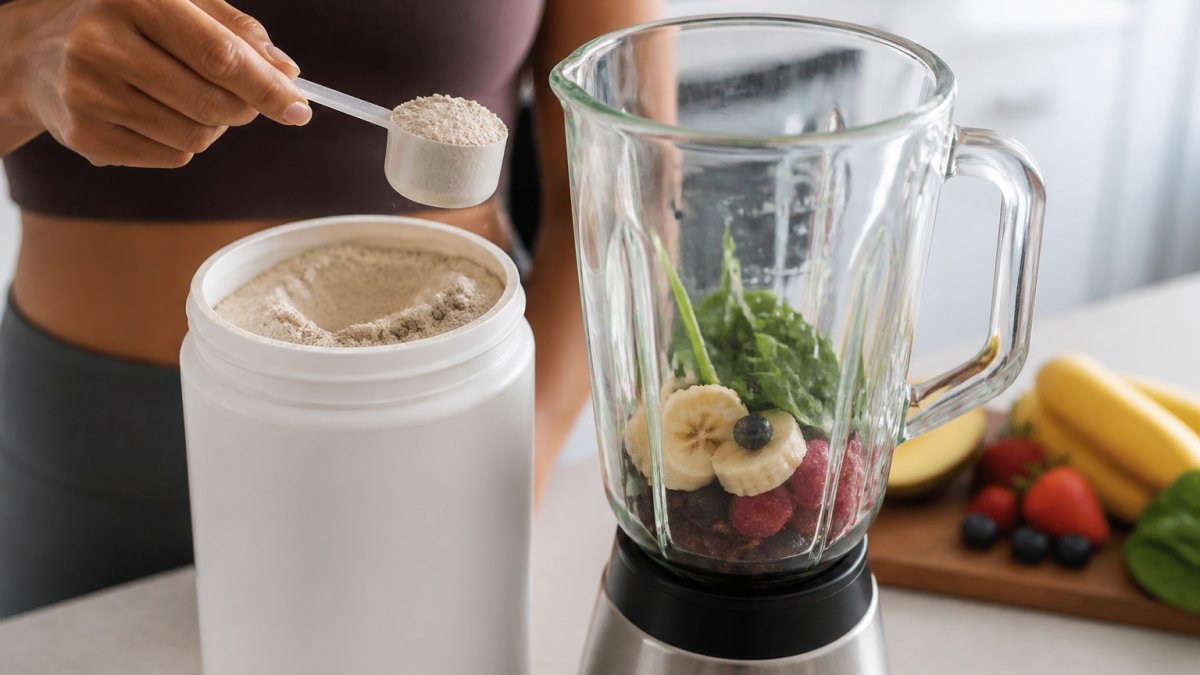
One scoop of pure chocho delivers roughly 25 grams of plant protein with fiber attached, and no gums, fillers, or artificial ingredients. That is the short answer.
Protein by Weight and Amino Acid Profile
Chocho is a complete protein, meaning it supplies all nine essential amino acids your body cannot make on its own. That puts it in a small group of plant sources, alongside soy and certain blends. Most single plant proteins are incomplete, which is why pea and rice are so often sold together. If amino acid completeness is the deciding factor for you, we cover it in more depth in our guide on whether chocho is a complete protein source.
Vitamins, Minerals and Fiber Per Serving
The nutrient profile is where whole-food protein separates itself from isolates. Chocho naturally carries fiber, calcium, iron, and potassium, plus vitamin C and vitamin E. You are getting minerals with your protein instead of a stripped-down isolate.
Chocho Protein vs Pea Protein: A Side-by-Side Comparison
Pea protein wins on price and availability. Chocho wins on ingredient simplicity and digestibility. That is the trade-off in one sentence, and it holds up across most of the labels you will pick up.
Per-Serving Comparison at a Glance
The table below uses typical values for a single-ingredient chocho powder and a standard pea protein isolate. Always check the specific label in front of you, because brands vary.
| Factor (per serving) | Chocho Protein | Pea Protein Isolate |
|---|---|---|
| Protein | About 25 g | About 24 g |
| Calories | Roughly 110-130 | Roughly 100-120 |
| Carbohydrates | Higher, with naturally attached fiber | Low; fiber largely removed |
| Fiber | Naturally present | Minimal unless added back |
| Fat | Low but present | Very low |
| Amino acids | Complete on its own | Low in methionine; often blended with rice |
| Ingredient list | Often one ingredient | Usually isolate plus gums, flavors |
| Flavor | Neutral, easy to blend | Distinct pea taste |
| Digestibility | Gentle for most sensitive stomachs | Can cause bloating in some people |
Where the Differences Actually Come From
Pea protein is an isolate. Manufacturers strip the starch and fiber to concentrate the protein, then add gums such as xanthan or acacia and natural flavors to restore texture and mask the taste.
The amino acid story is the other dividing line. Pea protein is low in methionine, which is why it is so often sold blended with rice protein to complete the profile.
The Third Option Most Comparisons Skip
Soy protein is the other common single-source complete protein, and it is worth naming because it is the closest like-for-like alternative. Soy matches chocho on amino acid completeness and usually beats it on cost per gram, but it is a common allergen and many shoppers avoid it for that reason alone.
That leaves a simple decision path:
- Choose chocho if you want a complete protein from one whole-food ingredient and you have had trouble with isolates.
- Choose pea if cost per gram is the deciding factor and you tolerate isolates without issue.
- Choose soy if you want a complete plant protein at the lowest price and allergens are not a concern.
Best for chocho: anyone who has cycled through plant powders and given up because of bloating or long ingredient lists. Skip if: you need the absolute lowest cost per gram and tolerate isolates without issue.
Chocho Protein Powder Digestion: Why Sensitive Stomachs Tolerate It
Chocho tends to sit easier than many plant proteins because it is a whole legume powder rather than an isolate loaded with gums and added fibers. That is not a guarantee for every stomach, but it explains the pattern.
A common mistake is blaming the protein itself when the real culprit is the additive stack. If you want the deeper explanation of why plant proteins cause bloating in the first place, read our breakdown on why plant protein causes bloating.
Pure Tarwi Protein | 25G Plant Protein | 1.1 LBS →
Chocho Protein for Athletes: Recovery Without the Bloat
For recovery, what matters is total protein and amino acid quality, and chocho delivers both in a form most athletes can drink without gastric distress. One serving of our pure chocho powder provides 25 grams of complete protein.
The practical advantage shows up on hard training days. Athletes often cut protein intake when a powder upsets their stomach, which is the opposite of what recovery needs.
What to Ignore When Comparing Chocho to Soy, Rice and Pea
Ignore any claim that one protein is "best" in the abstract. The supplied evidence does not establish that chocho is superior to other protein sources, and we will not pretend otherwise.
What you can evaluate is claim quality. Ask three things of any comparison you read: Is the nutrition data given per serving or per 100 grams? Is the source independent, or is it the seller?
How to Read a Chocho Label Before You Buy
Read the ingredient list first, the protein number second, and the marketing copy last. That order matters because most labels are designed to make you read them in reverse.
The Six Checks and Why They Matter
- Ingredient list is short and recognizable. A single-ingredient chocho powder should say chocho (or tarwi) and nothing else. If gums, fillers, or "natural flavors" appear, you are buying a blend, not a whole-food powder.
- Protein is stated per serving, not per 100 g. Per-100-gram numbers look impressive but tell you nothing about what you will actually drink. Compare per-serving figures only.
- Serving size is realistic. A label that lists a tiny serving to make the calories look low is a red flag. Check that the scoop size matches how you will actually use it.
If a label passes those six checks, the product is probably worth trying. If it fails two or more, keep looking. For the full checklist we use, see our guide to buying clean chocho protein powder.
Do the Cost-Per-Serving Math
Price per bag is not price per serving, and the gap between the two is where most buying mistakes happen. Take the bag price, divide it by the number of servings listed on the label, and compare that number across products. A larger container almost always wins on cost per serving, but only if you will finish it before it goes stale.
Match the Form to How You Will Use It
Chocho comes as plain powder, flavored powder, and in bars and snacks. Plain powder is the most flexible: it goes into smoothies, oatmeal, and baked goods without fighting the flavor. Flavored versions save you a step but usually add ingredients and reduce the protein per serving. Bars are convenient but are a snack, not a protein supplement, so do not judge them on protein grams alone.
Know When Chocho Is Not the Right Fit
Chocho is not for everyone, and a good buying guide says so. If you have a lupin or peanut allergy, talk to a clinician before trying it. If you are counting calories tightly, the naturally attached fiber and carbohydrate mean chocho runs slightly higher in calories than a stripped isolate. And if you need the absolute lowest cost per gram, pea or soy will usually beat it.
Pick Your First Chocho Product and Start Simple
Start with the smallest format and the plainest flavor, then expand once you know your stomach agrees. That is how we would do it, and it saves you from committing to a bulk tub you end up avoiding.
Our Pure Tarwi Protein, 25 grams per serving in a 1.1 lb bag, is the natural first step: one ingredient, neutral flavor, easy to blend. If you already know chocho works for you, the 3.3 lb container with 30 servings brings the cost per serving down.


Frequently Asked Questions
Is chocho protein a complete protein?
Yes. Chocho, also called tarwi or Andean lupin, supplies all nine essential amino acids the body cannot make on its own. That matters because most single-plant powders need blending to reach a complete profile. Seed Foods lists all nine essential amino acids on its Pure Tarwi Protein, which delivers 25g of plant protein per serving from one ingredient. If you are replacing a soy or dairy shake, check the amino acid panel on the label rather than assuming any legume powder is complete.
How does chocho protein compare with pea protein?
Both are legume-based, but the formulas differ. Pea protein is usually sold as an isolate and often carries gums, flavors and sweeteners to fix texture and taste. Chocho protein can be sold as a single-ingredient powder, which is what Seed Foods does with its Pure Tarwi Protein at $39.99 for a 1.1 lb bag. If your goal is the shortest ingredient list possible, chocho has the edge. If you want a neutral base for savory recipes, both work, but check for added salt in pea isolates.
Does chocho protein powder cause bloating?
No protein powder is guaranteed bloat-free for every person, but chocho is often chosen by people who react to other powders. Seed Foods formulates its chocho line without gums, fillers, soy or dairy, which are common triggers in conventional protein products. Start with half a serving mixed into a smoothie and see how your stomach responds over a week. If you have a diagnosed digestive condition, talk to your doctor before adding any new protein source.
Will one serving of chocho protein help with athletic recovery?
One serving of Seed Foods Pure Tarwi Protein provides 25g of complete plant protein, which falls inside the 20g to 30g range commonly used in post-workout nutrition. That amount, paired with carbohydrate from a meal or smoothie, supports muscle repair after training. Athletes with higher body weight or heavy training loads may need a second serving spread through the day. Time it within a couple of hours of training and pair it with fluids and electrolytes.
How do you use chocho protein powder?
The unflavored Pure Tarwi Protein blends into smoothies, shakes, oatmeal, yogurt and baking without changing the taste much. The Cacao and Lucuma versions at $39.99 each add flavor, so they work well in shakes and breakfast bowls. Start with one scoop in 8 to 12 ounces of liquid and stir or blend until smooth. For a snack option, the Peanut Butter Superfood Bar at $5.99 delivers 16g of protein from chocho with no artificial additives.
Most plant proteins force a trade-off: tolerate the bloat or skip the protein. Seed Foods exists to remove that trade-off, using chocho as a complete, single-ingredient protein that is free from fillers, gums, soy, and dairy and designed for sensitive stomachs. If you are ready to test it on your own digestion, start with one bag, one scoop a day, and give your body a week to answer. Get started with Seed Foods and find out what a protein powder that agrees with you actually feels like.

9 Best Post-Workout Snacks for Muscle Recovery
How to Choose a Clean Label Protein Bar
Related Posts

Chocho Beans vs Lupini Beans for Nutrition and Taste

Plant Protein Powder vs Whey: Which Fits Your Body

How to Work Ancestral Superfoods Into Your Daily Meals

Chocho Protein Amino Acid Profile: What the Numbers Show

7 Ways to Get Enough Protein on a Vegan Diet

Best Vegan Protein Powder for Smoothies in 2026

Benefits of Ancestral Gut Support Supplements: What Evidence Shows


